




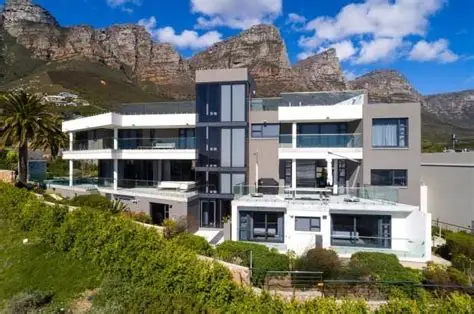
“South Africa’s residential property market in September 2026 is experiencing renewed confidence, with house prices rising steadily across both affordable and mid-to-high-end segments. Stable interest rates and increased buyer activity are fueling growth, particularly in urban hotspots like Cape Town and Johannesburg.”
The South African residential property market has entered September 2026 with a renewed sense of optimism. After years of volatility driven by fluctuating interest rates and global economic uncertainty, the market is now stabilizing, offering both buyers and sellers a more predictable environment. The South African Reserve Bank (SARB) has maintained the repo rate at 7.00%, translating into a prime lending rate of 10.50%, a level that has provided much-needed consistency for the housing sector.
Interest Rate Stability
Interest rates remain one of the most influential factors in property affordability. SARB Governor Lesetja Kganyago has reiterated the bank’s commitment to balancing inflation control with sustainable growth. This steady monetary policy has tempered volatility, allowing households to plan with greater confidence. For many middle-income families, this has meant the ability to secure favorable mortgage terms from major banks such as Standard Bank and Absa.
Price Movements Across Segments
The national average property price growth is currently between 5.5% and 7.5%, but this masks significant differences across market segments:
- Affordable Housing (Below R1.2 million): Demand remains strong, particularly among first-time buyers seeking relief from high rental costs. However, affordability challenges persist, with growth averaging around 2-3%.
- Mid-to-High-End Housing (R2.5 million – R5 million): This segment is thriving, with annual growth rates of 8-10%, driven by stable incomes and favorable lending conditions.
Regional Hotspots
Certain regions are outperforming the national average:
- Cape Town: Continues to lead the market, with strong demand from both local buyers and international investors.
- Johannesburg: Suburban areas are seeing increased activity, particularly among middle-income households.
- Durban & Pretoria: Experiencing moderate growth, supported by semi-gration trends and infrastructure development.
Buyer Confidence
Confidence among buyers has reached its highest level in over a decade. The Absa Homeowners Sentiment Index recorded an 88% confidence score in early 2026, with younger buyers (ages 25–34) showing the strongest optimism. This reflects improved affordability and lending conditions since late 2024.
Challenges in the Market
Despite the positive outlook, challenges remain:
- Affordability: Many first-time buyers still struggle with deposit requirements and strict lending criteria.
- Regional Disparities: While urban centers thrive, rural areas lag behind in growth.
- Economic Uncertainty: Global economic shifts continue to influence local sentiment, requiring cautious optimism.
Outlook for 2026
Looking ahead, analysts expect continued growth in the residential property market, particularly in the mid-to-high-end segment. Affordable housing will remain a critical focus, with government initiatives and private developers working to expand supply. If interest rates remain stable, the market could see sustained growth into 2027.



