




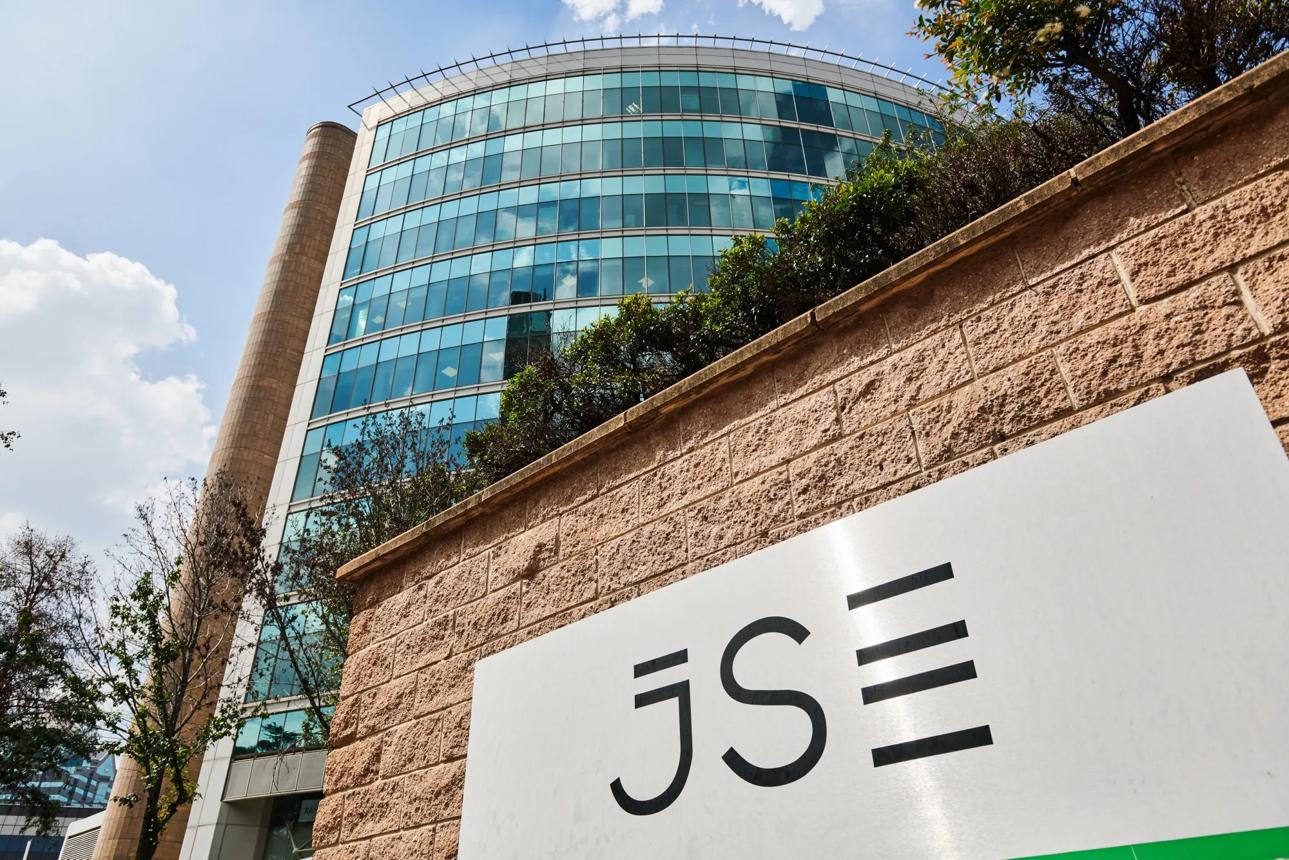
”South African financial markets experienced a powerful rally on Thursday, 5 November, as the Johannesburg Stock Exchange All-Share Index gained 3.67% and the Top 40 Index advanced 3.99%, supported by precious-metal miners, technology-linked investments and changing international political expectations. Investors are now weighing the sustainability of these gains against global economic uncertainty, currency movements, commodity prices and the outlook for domestic economic growth.”
South African Markets Face Fresh Uncertainty as JSE Rally Meets Global Stock Market Turmoil
South Africa’s financial markets are navigating a period of heightened volatility as investors assess the consequences of international political developments, changing commodity prices, currency movements and renewed pressure on global technology shares. The Johannesburg Stock Exchange (JSE) experienced a significant rally on Thursday, November 5, but Friday’s international market developments have introduced fresh uncertainty into the investment outlook.
The developments highlight the increasingly interconnected nature of South Africa’s financial markets, where movements in global equities, the US dollar, oil prices and precious metals can influence local share prices, investor confidence and the rand.
JSE Rally Reflects International Market Developments
The Johannesburg Stock Exchange recorded a substantial advance on Thursday as investors responded to international political developments and improved sentiment surrounding precious metals.
According to Business Day, the JSE All-Share Index increased by 3.67%, while the Top 40 Index gained 3.99%. The market had reached an intraday increase of approximately 5%, demonstrating the strength of the recovery during the trading session.
The rally followed the reopening of the South African market after the municipal election public holiday. Consequently, local investors were responding to developments that had occurred over several international trading sessions.
Precious-metal producers were among the major beneficiaries of the improved sentiment. The resources index gained approximately 2.78%, while the precious metals and mining index advanced 4.27%.
Gold Fields, AngloGold Ashanti and Harmony Gold were among the mining companies benefiting from the movement in precious metals prices.
The performance demonstrated the importance of international commodity markets to South Africa’s equity market. Mining companies remain significant contributors to the JSE’s performance because of their substantial representation in the listed market and their exposure to international commodity prices.
Global Political Developments Influence Investor Confidence
International political developments have become an important factor influencing financial markets.
Investors responded to the results of the United States midterm elections, which changed the political balance in Washington and introduced new expectations regarding economic policy, international relations and government spending.
Market participants interpreted the results as potentially increasing political pressure on the American administration concerning the conflict involving Iran.
These expectations contributed to changes in oil prices, precious metals and currency markets.
Lower oil prices can provide important benefits to South Africa because the country imports substantial quantities of petroleum products. A reduction in international crude prices may eventually translate into lower domestic fuel costs, depending on exchange-rate movements, taxes and local pricing adjustments.
Lower fuel costs can support household purchasing power and reduce transportation expenses for businesses.
However, the relationship between international politics and domestic markets remains uncertain. Investors must distinguish between immediate market reactions and developments that could produce lasting economic benefits.
Technology Stocks Introduce New Global Market Risks
While South African equities experienced a strong rally on Thursday, international technology shares faced substantial selling pressure.
MarketForces Africa reported on November 6 that global markets experienced a sharp technology-driven decline, with the Nasdaq falling 5.52%, the S&P 500 declining 4.36% and the Dow Jones Industrial Average losing 3.44%.
The sell-off reflected concerns surrounding artificial intelligence investment, technology valuations and the possibility of tighter regulatory conditions affecting technology companies.
Investors have increasingly questioned whether the enormous investments in artificial intelligence infrastructure, computing capacity and data centres will generate sufficient returns.
These concerns have become particularly important for international investment companies with substantial exposure to technology businesses.
South Africa’s market is also exposed to this trend through companies such as Naspers and Prosus.
Their investment structures connect South African shareholders to international technology businesses, particularly Tencent, making their share prices sensitive to developments in global technology markets.
Consequently, international technology volatility can influence the performance of the JSE even when domestic economic conditions remain relatively unchanged.
Rand Movements Remain Central to the Market Outlook
The South African rand continues to play an important role in determining the country’s investment outlook.
The currency strengthened during Thursday’s rally before experiencing renewed pressure on Friday morning.
Daily Investor reported that the rand was trading around R16.52 against the US dollar on Friday, November 6, after strengthening during the previous trading session.
Currency movements influence several important sectors of the South African economy.
A stronger rand can reduce the domestic cost of imported goods, including petroleum products, machinery and certain food commodities.
It may also reduce inflationary pressure by making imported products relatively cheaper.
Nevertheless, exporters and companies earning substantial foreign-currency revenue may experience different effects from currency appreciation.
Mining companies, international retailers and businesses with overseas operations are particularly sensitive to exchange-rate movements.
A weaker rand can increase the domestic value of foreign earnings, although it can also raise imported input costs.
Investors therefore monitor the currency alongside commodity prices, interest rates and international economic developments.
Gold and Mining Shares Remain Important Market Drivers
South Africa’s mining industry continues to play a significant role in financial market performance.
The recent movement in gold prices has attracted attention because gold remains an important international investment asset during periods of uncertainty.
Gold prices can benefit from declining bond yields, a weaker US dollar and increased demand for assets perceived as defensive.
These conditions can support South African gold producers, although individual companies remain exposed to operational costs, production performance and capital expenditure requirements.
Mining shares are not automatically guaranteed to rise whenever gold prices increase.
Investors also consider labour costs, electricity expenses, exchange rates, production volumes and company-specific financial results.
Nevertheless, the recent rally demonstrates how quickly changes in international commodity prices can influence the JSE.
The performance of precious-metal producers is likely to remain an important consideration for investors evaluating South African market opportunities.
South African Retail Results Highlight Domestic Economic Pressures
Corporate earnings are providing additional information about the condition of the South African economy.
Reuters reported on November 6 that The Foschini Group recorded a 6.8% decline in half-year earnings, reflecting weak trading conditions in its British and Australian businesses.
For the six months ending September 30, headline earnings per share declined to 272.8 cents, while operating profit decreased 6.5% to R2.1 billion.
Revenue increased marginally to R31.4 billion, although sales declined 0.4% amid pressure on consumer spending.
The company’s African operations performed comparatively better.
Retail turnover in Africa increased 3.8% to R19.7 billion, while operating profit rose 2.7%.
However, the London and Australian businesses experienced weaker trading conditions, demonstrating the importance of international consumer demand to South African retailers with overseas operations.
The company also reported cost reductions and store closures as part of its efforts to simplify operations and improve financial performance.
These results demonstrate that the performance of South African listed companies is influenced by both domestic economic conditions and international consumer markets.
Investors Examine Valuations and Long-Term Opportunities
Despite recent market volatility, some investment professionals continue to identify opportunities within South African equities.
Moneyweb reported on November 6 that Ninety One value fund manager John Biccard believes South African equities are displaying unusually attractive valuations.
His assessment reflects concerns about the extent to which market prices for certain companies may underestimate their underlying business value.
The argument for value investing is based on the possibility that market prices can diverge significantly from the financial fundamentals of individual businesses.
However, undervaluation does not necessarily mean that share prices will immediately recover.
Investors must evaluate corporate earnings, balance sheets, management quality, competitive advantages and future economic conditions.
Companies operating in difficult economic environments may remain undervalued for extended periods.
Consequently, investment opportunities require careful analysis rather than reliance on market movements alone.
Market Outlook: Volatility and Economic Expectations
South African financial markets are likely to remain sensitive to international developments during the coming trading sessions.
Investors will continue monitoring global technology shares, oil prices, precious metals, the rand and domestic corporate earnings.
The relationship between international political developments and financial markets remains particularly important.
Changes in geopolitical conditions can influence inflation expectations, commodity prices and monetary policy decisions.
For South Africa, these developments may create opportunities through stronger mining performance, lower fuel costs or improved investor sentiment.
At the same time, international stock market declines can introduce additional volatility and weaken confidence.
Domestic developments will also remain important.
Municipal election outcomes, economic policy implementation, infrastructure performance and consumer spending could influence investor expectations concerning South Africa’s economic outlook.
The performance of major listed companies will provide additional evidence about the strength of domestic demand and the sustainability of corporate earnings.
Conclusion
South African markets are experiencing a complex combination of opportunities and risks.
The JSE’s strong rally on November 5 demonstrated the potential for international developments to generate substantial gains in local equities.
However, the subsequent technology-driven global market sell-off illustrates how quickly investor sentiment can change.
The rand, precious metals, oil prices and international technology shares remain important influences on South African financial markets.
For investors, the central challenge is distinguishing temporary market movements from developments that could produce lasting improvements in economic conditions and corporate profitability.
The coming sessions will provide further evidence about whether the recent JSE rally represents the beginning of a sustained recovery or another short-lived movement within a volatile international market environment.



