




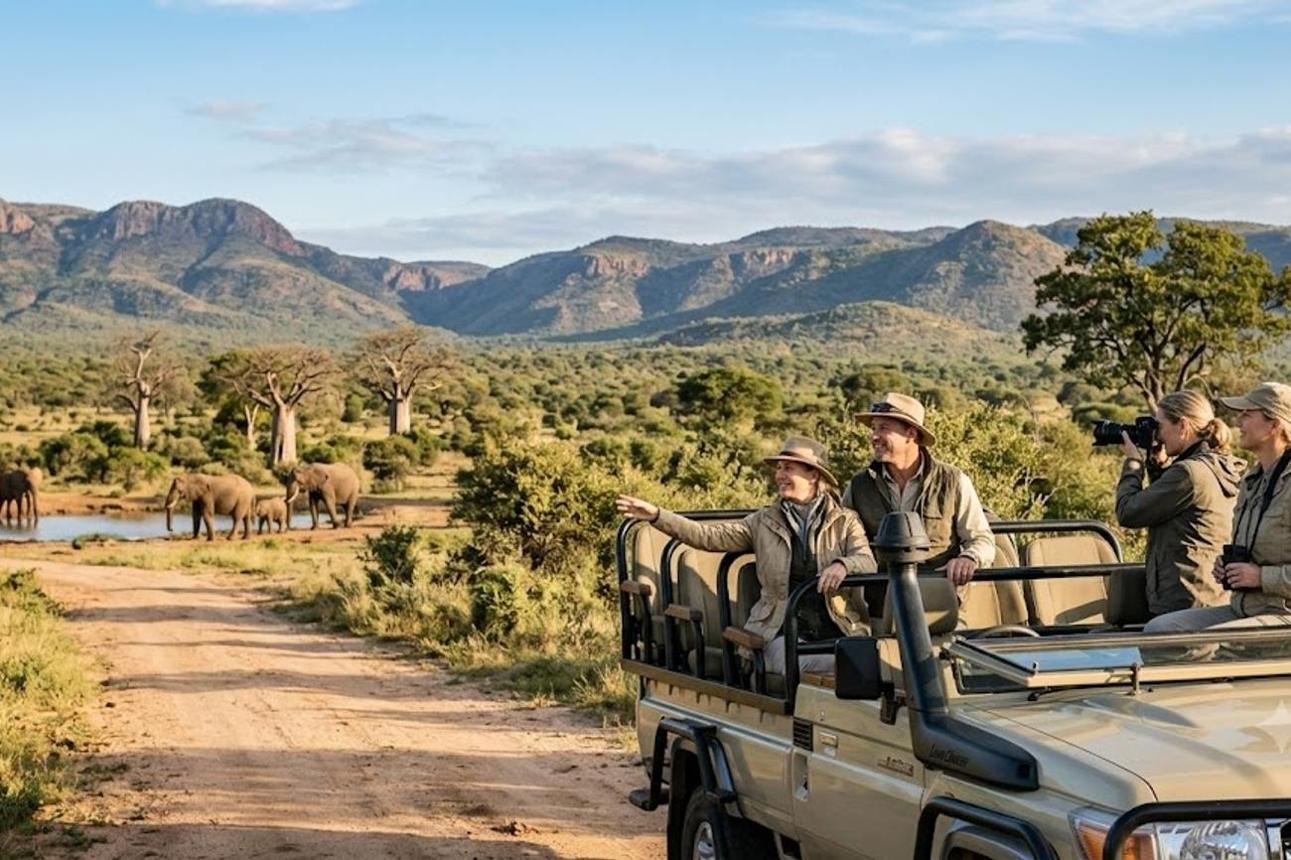
“The Limpopo Tourism Agency has launched its 2026 Summer Tourism Campaign under the theme Explore Limpopo Under the Sun, encouraging domestic and international visitors to discover the province’s wildlife, natural landscapes, cultural heritage and adventure opportunities. The campaign aims to attract more holidaymakers during the festive season while creating economic opportunities for tourism businesses, accommodation providers, tour operators and local communities.”
Limpopo launches 2026 summer tourism campaign to promote adventure travel, wildlife experiences and outdoor exploration in South Africa
Introduction
South Africa’s adventure tourism industry is receiving renewed attention as Limpopo prepares to welcome domestic and international travellers through its 2026 Summer Tourism Campaign. The Limpopo Tourism Agency (LTA) officially launched the campaign on Friday, 20 November 2026, at D’Nyala Nature Reserve in Lephalale, Waterberg District.
Reported on 21 November 2026, the initiative highlights the province’s natural attractions, wildlife experiences, cultural heritage and diverse tourism opportunities. Its message encourages visitors to look beyond traditional holiday destinations and explore the experiences available throughout Limpopo.
The campaign operates under the theme Explore Limpopo Under the Sun, positioning the province as an attractive destination for families, nature enthusiasts, adventure seekers and international holidaymakers.
Although the announcement is primarily a destination-marketing initiative rather than the launch of a single new adventure attraction, it is significant for South Africa’s outdoor tourism industry. It places nature-based experiences and regional exploration at the centre of the province’s preparations for the busy summer holiday season.
Limpopo strengthens its adventure tourism appeal
Limpopo has considerable potential as an adventure travel destination because of its combination of wildlife reserves, mountainous landscapes, natural attractions and cultural destinations.
For travellers seeking experiences beyond conventional hotel holidays, the province offers opportunities to explore South Africa’s natural environment through safari experiences, outdoor recreation, nature excursions and scenic journeys.
The province’s tourism attractions provide opportunities for different types of visitors. Families can organise wildlife holidays, while outdoor enthusiasts can explore natural landscapes and plan activities around the province’s diverse environments.
Adventure tourism is increasingly important because many travellers want more than accommodation and sightseeing. They want memorable experiences that allow them to interact with nature, discover unfamiliar places and participate in activities that make their holidays distinctive.
Limpopo’s summer campaign seeks to capitalise on this interest by encouraging visitors to discover more of the province.
The initiative also provides an opportunity for tourism businesses to promote their services to travellers planning December holidays and other summer excursions.
D’Nyala Nature Reserve provides a natural setting for the campaign
The official campaign launch took place at D’Nyala Nature Reserve in Lephalale, a location that reflects the province’s emphasis on wildlife and nature-based tourism.
Choosing a nature reserve for the announcement provides a strong connection between the campaign’s message and the experiences Limpopo wants to promote.
Nature reserves are important components of South Africa’s tourism industry because they attract visitors interested in wildlife, biodiversity, photography and outdoor exploration.
For adventure travellers, these destinations offer opportunities to experience natural environments while learning about conservation and the importance of protecting wildlife habitats.
The setting also reinforces the province’s ambition to encourage visitors to explore attractions beyond familiar tourism centres.
Rather than concentrating all tourism activity around a small number of established destinations, the campaign encourages travellers to discover different areas and support businesses operating throughout Limpopo.
This approach could benefit smaller tourism establishments that depend on seasonal visitors.
Wildlife experiences remain a major attraction
Wildlife tourism continues to be one of South Africa’s most recognisable tourism strengths.
Limpopo contributes to this reputation through its game reserves, natural landscapes and safari opportunities.
For international visitors, wildlife experiences can be an important reason for choosing South Africa. For domestic travellers, they provide opportunities to discover natural attractions within their own country.
Safari tourism can also connect visitors with conservation education, environmental awareness and local tourism services.
Visitors may organise guided wildlife experiences, photography excursions and nature-focused holidays depending on the facilities and activities offered at individual destinations.
However, responsible wildlife tourism requires careful planning. Visitors should respect park regulations, maintain appropriate distances from animals and follow instructions from qualified guides and reserve personnel.
These practices protect both tourists and wildlife while supporting sustainable tourism.
Limpopo’s campaign therefore has an opportunity to promote tourism experiences that combine recreation with environmental responsibility.
Adventure travel creates opportunities for local tourism businesses
One of the important dimensions of the summer campaign is its economic potential.
Tourism involves more than attracting visitors to scenic locations. Every additional traveller can create demand for accommodation, transport, restaurants, tour operators, entertainment and locally produced goods.
Small businesses are particularly important in this environment.
Guesthouses, restaurants, craft businesses, local guides and transport operators can benefit when travellers extend their journeys beyond major tourism centres.
Adventure tourism can also create opportunities for specialist businesses offering guided outdoor activities, nature excursions and organised experiences.
For example, visitors exploring the Waterberg region may require accommodation, meals, transport arrangements and assistance organising local activities.
When these services are provided by businesses within surrounding communities, tourism spending can circulate through the local economy.
This makes destination marketing an important economic development tool.
The LTA’s campaign recognises that tourism growth should create opportunities for businesses and communities rather than focusing exclusively on visitor numbers.
Domestic tourism is essential for summer growth
South Africa’s domestic tourism market plays an important role in sustaining the country’s travel industry.
Local travellers can support tourism establishments throughout the year, particularly during school holidays, long weekends and festive-season periods.
Limpopo’s summer campaign encourages South Africans to explore destinations within their own country instead of automatically choosing international holidays.
Domestic tourism can also make travel more accessible for families who prefer shorter journeys and locally available accommodation.
Travellers can organise weekend excursions, family holidays and extended road trips around the province’s attractions.
Furthermore, local visitors often have opportunities to discover lesser-known destinations that may not receive the same international exposure as South Africa’s most famous tourism locations.
For adventure enthusiasts, exploring these places can create opportunities to discover different landscapes and outdoor experiences.
However, the success of domestic tourism depends on affordability, accessibility, reliable information and the quality of visitor services.
Tourism businesses therefore need to provide clear information about accommodation, activities, transport arrangements and booking requirements.
Sustainable tourism and environmental protection
Adventure travel depends heavily on healthy natural environments.
Mountains, wildlife habitats, rivers, forests and other natural attractions provide the foundations for many outdoor tourism activities.
Consequently, the growth of adventure tourism must be accompanied by responsible environmental management.
Tourism operators and visitors have an important role in reducing environmental damage.
Responsible practices include disposing of waste correctly, respecting wildlife, following designated routes and avoiding activities that damage sensitive ecosystems.
Protected areas also need effective conservation management to ensure that tourism does not compromise biodiversity.
Limpopo’s natural attractions represent valuable tourism resources, but their long-term appeal depends on preserving the environments that make them special.
The summer campaign provides an opportunity to communicate the importance of conservation alongside destination promotion.
By connecting tourism with environmental awareness, the province can encourage visitors to appreciate natural attractions while recognising the responsibility involved in protecting them.
The importance of tourism infrastructure and visitor safety
Attracting more adventure travellers also requires attention to tourism infrastructure.
Road conditions, accommodation availability, visitor information, communication services and emergency assistance can influence the quality of a travel experience.
For outdoor activities, safety arrangements are particularly important.
Adventure operators should provide appropriate equipment, clear safety instructions and suitably qualified personnel where required.
Travellers should also research the activities they intend to undertake and understand the physical requirements involved.
Weather conditions are another important consideration during South Africa’s summer season.
Heavy rainfall and thunderstorms can affect outdoor activities, road travel and access to certain natural attractions.
Visitors should check weather forecasts, confirm operating conditions with tourism operators and avoid unnecessary risks.
These preparations can help ensure that increased tourism activity translates into positive experiences for visitors and businesses.
Limpopo’s opportunity to attract international travellers
International tourism offers another significant opportunity for the province.
South Africa has established international recognition for its wildlife, landscapes, cultural experiences and outdoor activities.
Limpopo can strengthen its position by presenting its attractions as part of a wider South African travel experience.
International visitors may combine wildlife experiences with cultural exploration, regional road trips and accommodation in different parts of the province.
However, attracting these visitors requires effective destination marketing and cooperation between tourism organisations and private-sector operators.
Travel information should be accessible, accurate and regularly updated.
Tourists need reliable information about accommodation, transport, attractions, booking procedures and safety requirements.
The summer campaign can help increase awareness, but its longer-term success will depend on whether increased interest translates into actual visits and sustainable business opportunities.
Looking ahead: The future of adventure tourism in Limpopo
The 2026 Summer Tourism Campaign arrives at an important time as South Africa prepares for the festive holiday season.
Limpopo has an opportunity to use its natural resources, wildlife attractions and cultural heritage to attract travellers interested in meaningful outdoor experiences.
The province’s tourism industry can benefit from developing partnerships between government, private businesses and local communities.
Such cooperation could strengthen tourism services, improve visitor experiences and create opportunities for emerging tourism entrepreneurs.
Adventure tourism also provides an opportunity to diversify the province’s visitor economy.
Rather than depending exclusively on traditional sightseeing, tourism operators can develop experiences that encourage longer stays and greater participation in local activities.
Nevertheless, responsible growth must remain a priority.
Protecting natural environments, maintaining safety standards and ensuring that communities benefit from tourism are essential to the industry’s long-term sustainability.
Conclusion
Limpopo’s 2026 Summer Tourism Campaign represents an important effort to position the province as a destination for wildlife experiences, nature exploration, cultural discovery and adventure travel.
Launched at D’Nyala Nature Reserve on 20 November 2026, the campaign encourages domestic and international visitors to discover more of the province during the summer holiday season.
Beyond destination promotion, the initiative highlights tourism’s potential to support employment, small businesses and community development.
For South Africa’s adventure tourism industry, the campaign provides an opportunity to attract travellers interested in exploring natural environments and experiencing destinations beyond the country’s traditional tourism hotspots.
Ultimately, Limpopo’s challenge will be to turn promotional interest into meaningful visitor experiences and lasting economic benefits.
As the festive season approaches, the province is extending an invitation to travellers to explore its wildlife, landscapes, cultural heritage and outdoor attractions.
The message is straightforward: Explore Limpopo Under the Sun and discover more of South Africa’s adventure travel opportunities.



