




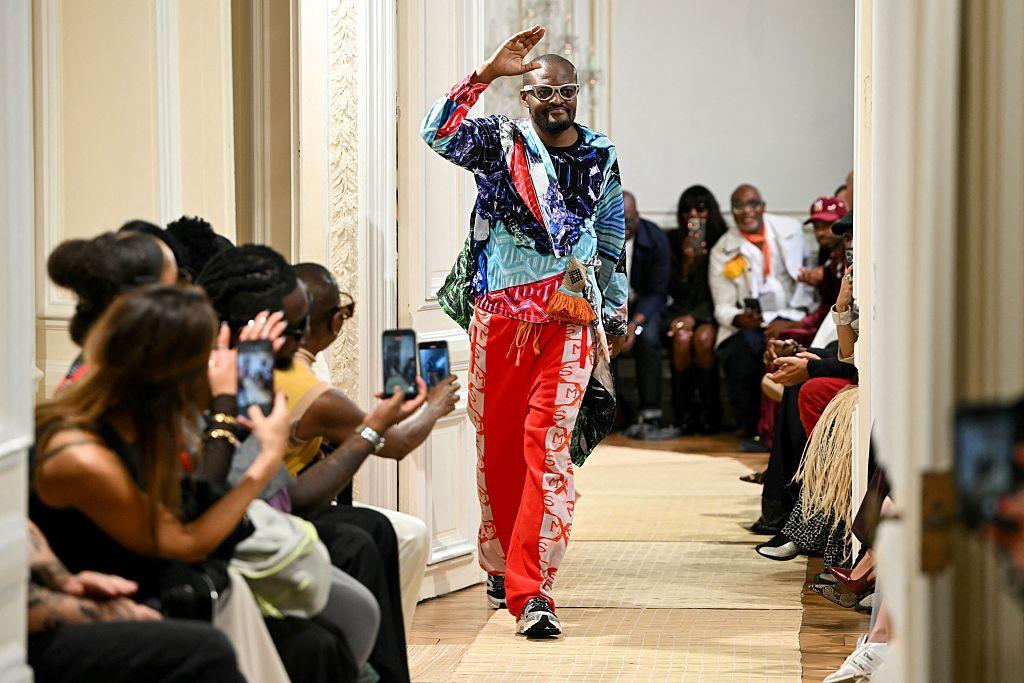
“South African luxury fashion label MaXhosa Africa, founded by designer Laduma Ngxokolo, presented its first official runway show on the Paris Fashion Week calendar with its Spring/Summer 2027 collection, Izihlwele Zivumile. The collection combined the brand’s distinctive knitwear and Xhosa cultural heritage with a more contemporary, refined aesthetic, demonstrating how South African design can participate in international luxury fashion while maintaining its cultural identity.”
MaXhosa Africa Takes South African Fashion Design to the Global Luxury Stage with Paris Fashion Week Debut
JOHANNESBURG, SOUTH AFRICA — 10 OCTOBER 2026
South African fashion design has reached an important international milestone following MaXhosa Africa’s first official runway show on the Paris Fashion Week calendar. Founded by designer Laduma Ngxokolo, the luxury fashion house presented its Spring/Summer 2027 collection, Izihlwele Zivumile, combining Xhosa cultural heritage, contemporary silhouettes and refined textile craftsmanship. The achievement highlights the growing international presence of South African designers and demonstrates how cultural identity can become the foundation of a globally competitive luxury fashion business.
A landmark moment for South African fashion design
MaXhosa Africa’s Paris Fashion Week debut represents a significant development in the international visibility of South African fashion. Although African designers have participated in international fashion events for years, gaining a place on an official fashion calendar provides an opportunity to present their work within the established global luxury industry.
According to the Sunday Times report published on 10 October, MaXhosa Africa presented its first official runway show after several previous seasons of presentations in Paris. The occasion also returned the brand to the venue where its Paris journey began in 2024, creating a connection between its early international ambitions and its current progress.
For Ngxokolo, the achievement reflects approximately 16 years of developing a distinctive design identity and building an international business. Rather than abandoning its origins to appeal to overseas customers, the label has developed a contemporary luxury language rooted in Xhosa visual traditions.
Consequently, the runway debut is about more than showcasing clothing. It also demonstrates how South African creative businesses can develop internationally recognisable brands while retaining their cultural foundations.
The meaning behind Izihlwele Zivumile
The Spring/Summer 2027 collection, titled Izihlwele Zivumile, translates approximately to “the ancestors have approved” or “the ancestors have agreed”. Its theme reflects the designer’s journey, the generations that shaped the brand and the persistence required to establish a South African fashion house within international luxury markets.
The collection represents a moment of recognition after years of development, experimentation and business growth. It also communicates the importance of community, heritage and continuity in the creative process.
According to the brand’s official collection announcement, the designs explore how cultural identity can be expressed through a more contemporary visual language. The emphasis falls on silhouettes, textiles, garment construction and artistic detail rather than relying exclusively on familiar visual representations of African culture.
This approach challenges the assumption that African fashion must be presented as a separate category within the international industry. Instead, MaXhosa Africa positions its work as part of the broader global luxury conversation, demonstrating that cultural specificity and international relevance can coexist.
A contemporary interpretation of Xhosa heritage
MaXhosa Africa has become known for its distinctive knitwear, geometric patterns, bold colours and jacquard techniques. These elements draw inspiration from Xhosa cultural aesthetics, including the visual language associated with beadwork, ceremonial clothing and traditional colour combinations.
For the latest collection, the brand introduced a cleaner aesthetic with a stronger monochromatic direction. This allowed the audience to focus more closely on silhouettes, fabric quality, construction and the craftsmanship behind each garment.
The approach illustrates an important principle of fashion design: heritage does not have to remain fixed in the past. Designers can reinterpret established cultural references through new materials, proportions, techniques and styling choices.
In MaXhosa Africa’s case, knitwear remains central to the brand’s identity, even as its creative direction evolves. Maintaining this connection gives the collection continuity while allowing it to respond to changing expectations within contemporary luxury fashion.
The result is a design philosophy that balances recognition with experimentation. Customers familiar with the label can identify its creative identity, while new audiences can encounter its work through a more refined and internationally accessible presentation.
Fashion as a platform for African storytelling
The Paris runway show extended beyond clothing, bringing together several South African creative disciplines. Musician Sjava performed during the presentation, while multidisciplinary artist Xander Ferreira contributed to the set design. Photographer Chris Saunders documented the event, capturing the garments and the wider creative production.
These collaborations helped frame the collection as a cultural presentation rather than simply a sequence of models displaying outfits.
The music, visual environment and photography created additional ways to communicate the collection’s themes. This approach also illustrated how fashion houses can work with musicians, visual artists, photographers and other creative professionals to strengthen their identity.
Furthermore, such collaborations can create professional opportunities across the wider creative economy. A major fashion presentation may involve designers, garment makers, stylists, production teams, models, photographers, performers and international logistics specialists.
For South African creatives, participation in international events can therefore generate visibility beyond the fashion sector itself.
Manufacturing and the business of African luxury
International recognition is important, but building a sustainable fashion business requires more than a successful runway presentation. Designers must also manage production, quality control, supply chains, skilled labour, distribution and customer demand.
A report published by TimesLIVE on 4 October highlighted MaXhosa Africa’s manufacturing ambitions. At its Paris presentation, Ngxokolo discussed the brand’s in-house production capabilities, reporting that approximately 90% of its products were produced internally. He also emphasised the potential for African businesses to manufacture high-quality products despite operational challenges.
Local production can offer several advantages. It may strengthen oversight of craftsmanship, support the development of technical skills and retain more economic activity within the region. However, maintaining production standards while expanding into international markets requires investment, reliable infrastructure and effective management.
The wider opportunity is to demonstrate that African fashion businesses can participate in the complete value chain, from cultural research and original design to manufacturing, branding and international sales.
For emerging South African designers, this is an important lesson: creative excellence and commercial infrastructure must develop together.
International visibility and opportunities for emerging designers
Paris Fashion Week provides a platform for designers to introduce collections to international media, fashion professionals, buyers and other industry participants. Nevertheless, visibility alone does not guarantee commercial success. Brands must translate attention into relationships, distribution opportunities, customer loyalty and sustainable revenue.
MaXhosa Africa’s experience illustrates the value of building a recognisable identity over time. Its progress follows years of developing its visual language and presenting work internationally before reaching this official runway milestone.
The journey may offer encouragement to emerging designers who are building businesses with limited resources. It suggests that international ambitions can be pursued without abandoning local cultural references or attempting to reproduce the identities of established European luxury houses.
At the same time, emerging designers need practical support. Access to finance, professional mentorship, manufacturing facilities, export information and reliable routes to market can help creative businesses develop beyond small-scale production.
Fashion institutions, educational organisations, investors and industry associations can contribute by connecting talented designers with the resources required to commercialise their work.
The economic significance of cultural design
Fashion is also part of the wider creative economy, linking cultural knowledge with entrepreneurship, employment and international trade.
The United Nations in South Africa highlighted MaXhosa Africa in an October 2026 report discussing the economic potential of cultural heritage, intellectual property, local production and creative enterprise. The report argued that African creativity can contribute to economic development when businesses are able to retain value from their designs and expand their access to international markets.
This perspective is relevant because original fashion design can create value through more than the physical garment. A distinctive brand may develop intellectual property, attract collaborations, build international recognition and create demand for associated products.
However, protecting cultural knowledge and ensuring that creative communities benefit from its commercial use remain important considerations. Designers must navigate questions of attribution, authenticity, ownership and respectful representation when drawing on inherited traditions.
For South African fashion to grow sustainably, international visibility should therefore be accompanied by stronger creative infrastructure, appropriate intellectual property protection and opportunities for local producers.
What the Paris milestone means for the future
MaXhosa Africa’s runway debut demonstrates how a fashion house can evolve while remaining connected to its origins. The Izihlwele Zivumile collection places Xhosa cultural heritage within a contemporary luxury framework, allowing the brand to communicate its identity to international audiences without treating African design as a single, uniform aesthetic.
The achievement also provides a useful reference point for discussions about South Africa’s creative industries. It highlights the relationship between design, manufacturing, storytelling and entrepreneurship, showing how these elements can reinforce one another when supported by a clear long-term vision.
Nevertheless, the next stage will depend on sustained business development. Continued investment in production, skilled teams, international relationships and customer engagement will be essential if the visibility generated by the runway show is to translate into lasting commercial opportunities.
For emerging designers, the broader message is that international recognition can be built through consistent creative development and a clear understanding of what makes a brand distinctive.
Ultimately, MaXhosa Africa’s Paris Fashion Week debut is a notable moment for South African fashion design. It shows that African heritage can serve as a source of innovation and commercial value within the global luxury industry.
As the brand continues its international journey, its progress may help broaden perceptions of South African fashion and create further opportunities for designers who want to bring locally rooted ideas to a worldwide audience.



