




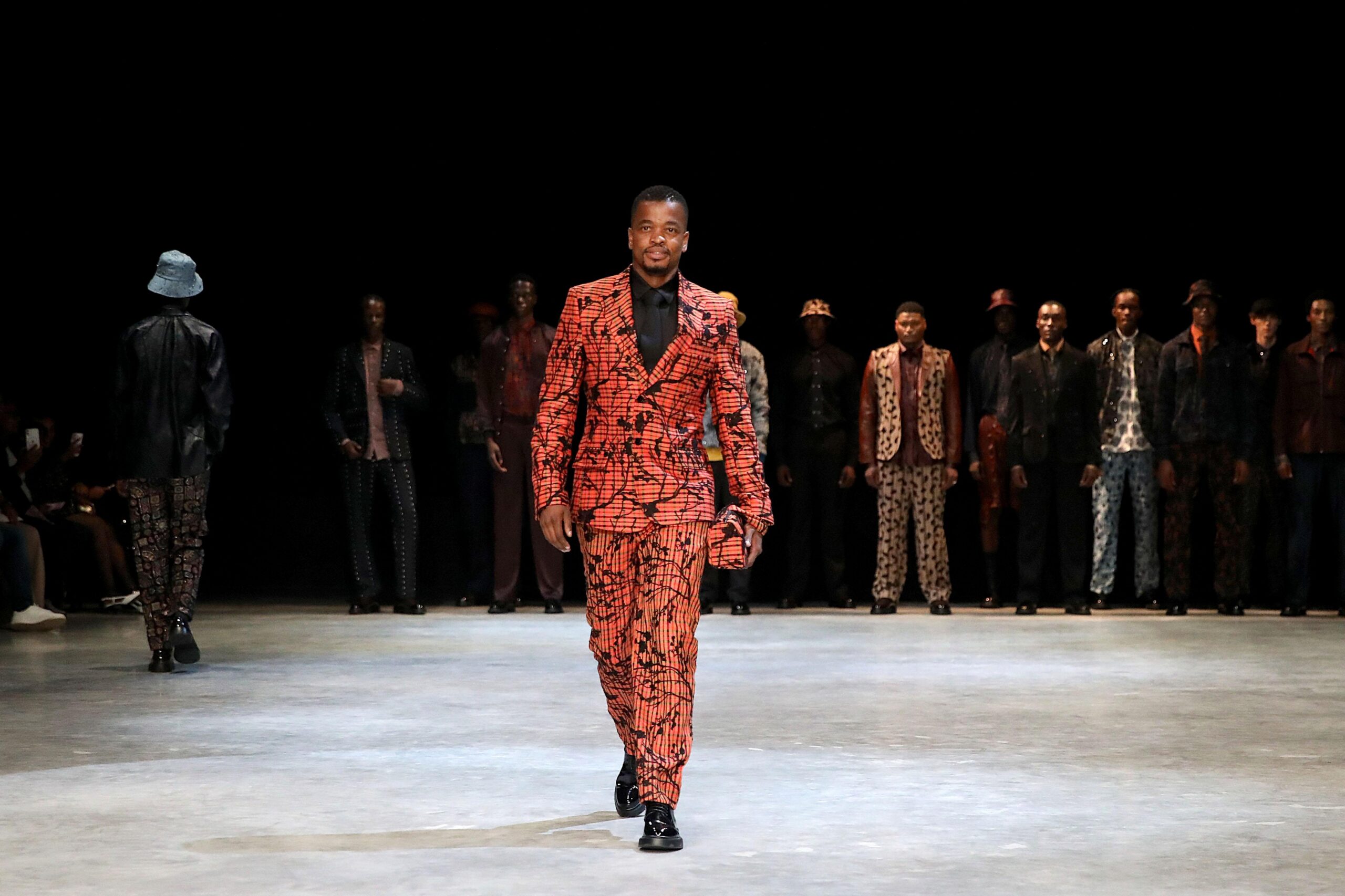
“South African fashion is strengthening its international profile as designers translate African cultural heritage, distinctive textile traditions and contemporary urban aesthetics into collections for global audiences. With MaXhosa Africa’s Paris Fashion Week milestone and South African Fashion Week’s upcoming creative collaborations, the industry is demonstrating how local design can build cultural recognition while creating commercial opportunities.”
South African Fashion Trends Gain Global Momentum as Designers Blend Heritage, Innovation and Contemporary Style
South African Fashion Enters a New Era
South African fashion is gaining international visibility as designers increasingly combine traditional cultural influences with modern silhouettes, innovative textiles and contemporary styling. From distinctive knitwear to handcrafted couture, local designers are demonstrating that African creativity can compete on international stages while retaining the cultural identities that make their work distinctive.
Recent developments at Paris Fashion Week have placed South African talent in the international spotlight. According to TimesLIVE’s October 2026 reporting, MaXhosa Africa, founded by Laduma Ngxokolo, presented its first runway show on the official Paris Fashion Week calendar. Meanwhile, South African-born designer Drew Henry presented his debut collection for French fashion house Courrèges. These milestones illustrate the growing international presence of designers connected to South Africa.
The developments also arrive ahead of South African Fashion Week’s Autumn/Winter 2027 collections, scheduled for 20–25 October 2026 in Johannesburg. The programme brings together established names, emerging designers, traditional craftsmanship and new creative collaborations, highlighting an industry increasingly focused on both artistic expression and commercial growth.
MaXhosa Africa Takes South African Design to Paris
One of the most significant developments in recent South African fashion coverage is MaXhosa Africa’s appearance on the official Paris Fashion Week schedule. The milestone represents an important opportunity for an African luxury brand to introduce its creative approach to an influential international fashion audience.
The collection presented by Ngxokolo featured 54 looks and expanded the label’s established knitwear aesthetic through materials including silk, chiffon, organza, organdy and cotton. The presentation also included the brand’s first footwear showcase, demonstrating an effort to develop its design language beyond its best-known product category.
The collection’s significance extends beyond its appearance on the runway. According to TimesLIVE, Ngxokolo said approximately 90% of the brand’s products were produced in-house. This emphasis on production demonstrates how fashion can become a platform for discussing African manufacturing capabilities, skilled employment and the potential for locally based businesses to compete internationally.
For South African designers, international visibility can create opportunities to attract new customers, develop relationships with retailers and introduce local craftsmanship to markets that may previously have had limited exposure to African luxury brands.
However, international recognition alone does not guarantee sustainable commercial success. Designers must also manage production costs, delivery schedules, quality standards, distribution and customer service. These practical considerations are essential when turning runway attention into long-term business growth.
MaXhosa Africa’s Paris presentation therefore represents both a creative achievement and an illustration of the wider ambitions of South African fashion businesses. Its international profile can help strengthen perceptions of African design as innovative, sophisticated and commercially relevant.
Cultural Heritage Remains Central to Contemporary Fashion
Another important trend is the reinterpretation of cultural heritage through modern fashion. Rather than treating traditional textiles and visual references as elements reserved for ceremonial clothing, designers are incorporating them into contemporary garments, luxury collections and statement pieces.
TimesLIVE reported that New Romantics Couture, led by Nadene Marx, presented its “Africa In Paris” collection at Noir Fashion Week. The collection combined Shweshwe fabrics and Ndebele-inspired woven elements with materials including velvet, satin, lace, feathers and other decorative finishes.
The result demonstrates how traditional references can coexist with contemporary silhouettes, structured garments and luxury styling. Such combinations can appeal to customers looking for clothing that communicates cultural identity while remaining suitable for modern social occasions.
This direction also highlights the importance of responsible cultural representation. Designers working with heritage-inspired patterns and textiles need to understand their origins and significance. Collaboration with artisans, appropriate acknowledgement and respect for cultural knowledge can help ensure that traditional influences are treated meaningfully rather than simply used as decoration.
South Africa’s cultural diversity offers a substantial creative foundation. Different communities, languages, histories and textile traditions provide designers with numerous sources of inspiration. When handled thoughtfully, these influences can produce distinctive collections that are difficult to replicate through generic international trend cycles.
At the same time, cultural authenticity should not restrict experimentation. Designers can reinterpret traditional references through new materials, unexpected proportions, contemporary tailoring and innovative production methods.
The opportunity lies in maintaining a connection to heritage while allowing individual designers to develop recognisable, evolving identities.
Handcrafted Quality Challenges the Fast-Fashion Model
South African Fashion Week’s upcoming Autumn/Winter 2027 programme places particular emphasis on handmade excellence, craftsmanship and the development of local industry skills.
In its announcement published on 29 September 2026, the organisation highlighted garment construction, finishing and surface detailing produced by skilled hands in South African workrooms. Its programme includes couture, tailoring, menswear, streetwear, heritage and contemporary African design.
This emphasis reflects a broader question facing the fashion industry: how can designers create distinctive products in a market where inexpensive clothing and rapidly changing trends encourage frequent purchases?
Handcrafted fashion offers one possible response. Carefully constructed garments can prioritise durability, distinctive detailing and a strong design identity. Customers who value these qualities may be more willing to invest in pieces intended to remain relevant across multiple seasons.
Nevertheless, handmade production can be expensive and time-consuming. Designers need to balance creative ambition with pricing, production capacity and the spending power of their target customers.
Investment in technical education, apprenticeships and manufacturing infrastructure can help address some of these challenges. It can also create pathways for emerging designers and skilled workers to participate in a stronger domestic fashion economy.
The issue is especially important for smaller businesses that want to grow without losing control over product quality. Strong local production networks may help brands improve consistency, develop specialised skills and build more reliable relationships with suppliers.
By placing craftsmanship at the centre of its upcoming programme, South African Fashion Week is signalling that fashion’s value can extend beyond the speed at which new styles reach consumers.
Sport and Music Influence the Next Wave of Fashion
South African fashion is also exploring new connections with music, dance and sport. These cultural fields influence how people dress, how trends spread and how designers reach audiences beyond traditional fashion publications.
South African Fashion Week announced two first-time collaborations for its AW27 collections. One will bring designer Jacques van der Watt’s Black Coffee collection together with Joburg Ballet, while another, called Field to Fashion, will explore the relationship between sportswear and personal style.
The fashion-and-dance collaboration is scheduled for 22 October, with Field to Fashion planned for 24 October. According to the organisers, these presentations are intended to connect designers with new audiences and create opportunities for greater visibility and business development.
The approach recognises that fashion does not exist exclusively on the runway. It appears in music performances, stadium arrivals, dance productions, streetwear communities and everyday social life.
Sportswear, for example, has become an influential part of contemporary dressing. Jerseys, tracksuits, trainers, caps and relaxed athletic silhouettes can move from sporting environments into everyday wardrobes. Designers can reinterpret these familiar items through tailoring, premium materials, distinctive graphics and unexpected styling.
Music provides another route for creative collaboration. Performers can introduce designers to audiences through stage costumes, music videos, promotional appearances and live events. Such partnerships can make local brands more recognisable while giving musicians and performers new ways to express their identities.
These opportunities must still produce meaningful business outcomes. Effective collaborations need clear creative direction, fair commercial arrangements and a strategy for converting public interest into product sales or longer-term customer relationships.
Emerging Designers and the Future of South African Fashion
The development of emerging talent is another important theme in the industry’s current direction.
South African Fashion Week’s AW27 announcement identifies a new generation of designers alongside established industry names. Its New Talent Search programme introduces emerging creative voices to the wider fashion platform, while the announced programme also includes an initiative presenting collections from five young designers under the Interns by David Tlale banner.
These opportunities can help new designers gain experience, establish professional relationships and introduce their work to media, buyers and potential collaborators.
Entering the fashion industry remains challenging. Designers need more than creative ability to establish sustainable businesses. They must understand costing, production planning, marketing, merchandising, customer research and distribution.
Mentorship and access to industry networks can help bridge the gap between designing a collection and building a functioning business. Opportunities to display work publicly can also provide valuable feedback about customer preferences and market positioning.
Emerging designers may benefit from concentrating on a clearly defined audience rather than attempting to compete with established brands across every product category. A distinctive approach to knitwear, contemporary tailoring, accessories, sustainable materials or culturally informed streetwear can provide a starting point for developing a recognisable brand.
Digital platforms also allow smaller labels to communicate directly with potential customers. Social media, online shops and behind-the-scenes content can demonstrate the creative process, explain material choices and build relationships with audiences who value original design.
However, digital visibility must be supported by reliable fulfilment, transparent pricing and consistent product quality. Building trust is particularly important for new businesses seeking repeat customers.
Sustainability and More Thoughtful Wardrobe Choices
Sustainability remains relevant to discussions about the future of fashion, although individual approaches vary considerably across the industry.
For consumers, more thoughtful shopping can mean choosing versatile garments, repairing damaged clothing, buying second-hand items and prioritising quality when budgets allow. For designers, it may involve reducing unnecessary waste, planning production more carefully and exploring ways to extend a garment’s useful life.
Local manufacturing can create opportunities to understand production processes more closely, but it does not automatically make every product environmentally sustainable. Material sourcing, energy use, transport, garment durability and waste management all influence a product’s wider impact.
Designers therefore need to communicate sustainability claims accurately and provide evidence where possible. Consumers, meanwhile, can look beyond marketing language by considering how garments are made, how long they are likely to last and whether they suit their existing wardrobes.
A more considered approach can also challenge the assumption that fashion requires constant replacement. Personal style can develop through combining existing garments in new ways, selecting meaningful statement pieces and choosing designs that remain useful after a particular trend loses popularity.
For South African businesses, these ideas may offer opportunities to develop products that combine local creativity with practical value.
The Commercial Challenge Behind International Recognition
Although international showcases generate attention, converting recognition into consistent revenue remains a major challenge.
Designers must identify appropriate markets, set prices that reflect their costs and maintain the quality expected by customers. International expansion can also introduce additional expenses involving logistics, duties, currency fluctuations, retail partnerships and production planning.
Brands need to determine which products are most commercially promising and how to meet demand without creating excessive stock or compromising craftsmanship.
There is also a need to strengthen connections between design education, manufacturing, retail and distribution. A successful fashion ecosystem depends on multiple participants, including textile suppliers, patternmakers, garment workers, photographers, stylists, retailers and marketing professionals.
Public and private partnerships can contribute by supporting skills development, market access and opportunities for designers to present their collections. Industry events can be especially valuable when they connect creative showcases with practical commercial opportunities.
For consumers, supporting local designers can help sustain these businesses, although affordability remains an important consideration. Not every customer can purchase luxury garments, and a healthy fashion sector needs options at different price points.
A diverse market that includes independent labels, accessible contemporary clothing, specialist craftsmanship and luxury fashion is more likely to serve different customer needs.
What the Trends Mean for South African Consumers
For consumers, the latest developments suggest several practical directions for updating personal style.
First, culturally distinctive pieces can provide a focal point for an outfit. A patterned knit, carefully constructed jacket or heritage-inspired accessory can be combined with simpler garments to create a contemporary appearance without relying on head-to-toe designer clothing.
Second, the renewed emphasis on craftsmanship encourages shoppers to consider construction, fit and versatility. These qualities can help people assess whether a garment offers lasting value.
Third, fashion’s connections with music and sport provide inspiration for mixing formal and casual pieces. Tailored clothing can be paired with contemporary footwear, while sports-inspired items can be styled with more structured garments.
Finally, personal style remains more important than following every new trend. Fashion becomes more practical when customers select items that reflect their tastes, suit their lifestyles and work with clothing they already own.
Conclusion: A Defining Moment for South African Fashion
South African fashion is entering an important period of international visibility and domestic creative activity. MaXhosa Africa’s Paris Fashion Week debut, the international work of other South African designers and South African Fashion Week’s forthcoming AW27 programme demonstrate the variety of approaches shaping the industry.
Cultural heritage, handcrafted construction, contemporary tailoring, streetwear and collaborations with sport and performance are contributing to a more diverse fashion landscape. At the same time, the industry must continue addressing the commercial realities of production, affordability, skills development and sustainable business growth.
The central opportunity is to turn creative recognition into lasting value for designers, workers and consumers. International exposure can open doors, but continued investment in craftsmanship, education, manufacturing and reliable routes to market will determine how far individual brands can grow.
As South African Fashion Week approaches its October programme, attention will turn to how designers translate these ideas into finished collections. The strongest developments are likely to be those that combine distinctive creative identities with thoughtful construction, commercial discipline and a clear understanding of the people who will wear the clothes.
South African fashion’s growing international profile is therefore more than a story about runway appearances. It is also a story about cultural expression, skilled work and the ambition to build a fashion industry that can create opportunities at home while engaging confidently with the world.



