




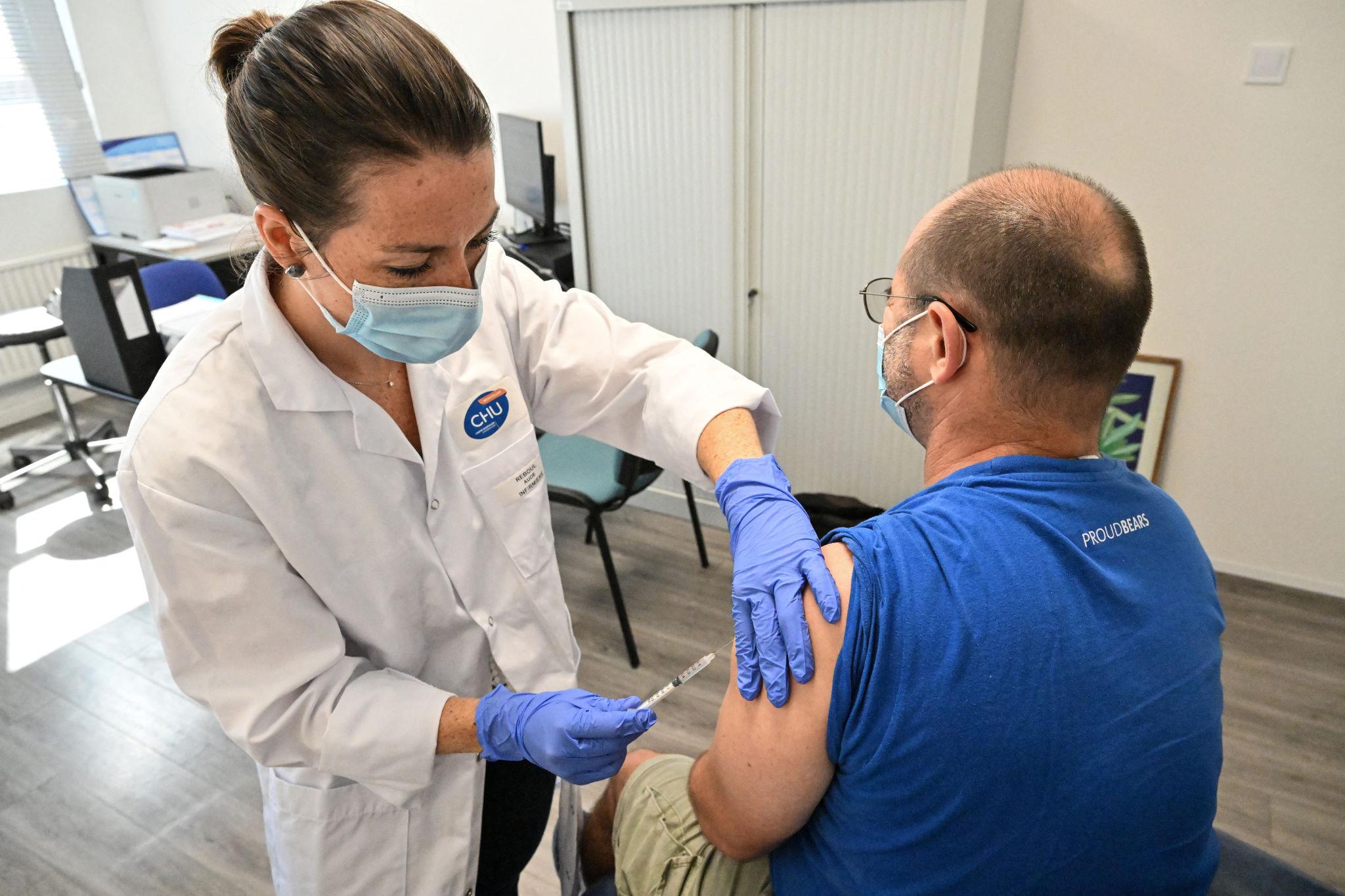
“South Africa has recorded 26 confirmed mpox cases in 2026, with 20 detected since August, prompting renewed attention to disease surveillance, vaccination and contact tracing. Health authorities say donated vaccine supplies remain available for eligible high-risk groups while the government reviews options for additional procurement.”
Mpox Cases Climb to 26 in South Africa as Health Authorities Prepare Vaccine Response
South Africa Strengthens Mpox Surveillance as Cases Increase
South Africa is intensifying its public health response to mpox following an increase in confirmed infections during 2026, with health authorities prioritising disease surveillance, laboratory testing, contact tracing and vaccination of eligible high-risk populations. The country had recorded 26 confirmed mpox cases by 27 October, with 20 infections detected since August, according to reporting by Spotlight on 2 November.
The development has renewed attention to infectious disease preparedness and the importance of early intervention in preventing local outbreaks from becoming more extensive public health emergencies. Although South Africa’s reported case numbers remain comparatively low, health officials caution that additional infections remain possible, particularly where local transmission has already occurred.
Western Cape Accounts for Most Confirmed Infections
The Western Cape has recorded the largest concentration of mpox infections in South Africa during 2026. According to figures reported by Spotlight, the province accounted for 18 of the country’s 26 confirmed cases as of 27 October.
Gauteng recorded three infections, while the Eastern Cape and Free State each reported two cases. KwaZulu-Natal recorded one confirmed infection.
Seven people had required hospitalisation, although no mpox-related deaths had been reported during the year by the date covered in the report.
The concentration of infections in the Western Cape highlights the importance of targeted public health interventions. Provincial health authorities must maintain effective surveillance systems, investigate suspected infections and ensure that affected individuals receive appropriate medical attention.
At the same time, the geographical distribution of cases demonstrates why national disease monitoring remains essential. Mpox infections can move between communities through close contact, making coordinated responses between provinces necessary.
The increasing number of cases since August has also raised questions about transmission patterns, population awareness and the effectiveness of prevention strategies.
Local Transmission Raises Public Health Concerns
South Africa’s mpox experience has evolved since the disease began attracting international attention in 2022.
Initially, infections identified in the country were frequently associated with international travel. However, epidemiological investigations during 2024 and 2025 increasingly indicated that local person-to-person transmission was occurring.
The current outbreak also involves evidence suggesting local transmission. According to the National Institute for Communicable Diseases, epidemiological investigations have identified connections between cases and similarities in circulating virus lineages.
This development is significant because locally transmitted infections can continue spreading even when international travel is not involved.
Public health authorities therefore need to investigate potential exposure histories, identify contacts and communicate prevention guidance to communities.
The identification of local transmission does not automatically mean that a widespread epidemic is developing. However, it does indicate that sustained surveillance and timely intervention remain necessary.
The National Institute for Communicable Diseases continues to emphasise early detection, laboratory investigation and appropriate public health responses.
Vaccine Availability Becomes an Important Prevention Priority
The availability of mpox vaccines has become an important element of South Africa’s prevention strategy.
In 2025, the Africa Centres for Disease Control and Prevention donated more than 10,000 doses of the MVA-BN vaccine to South Africa’s National Department of Health.
The vaccine, associated with the brand names JYNNEOS and Imvanex, has subsequently been used in vaccination efforts targeting eligible populations.
According to information provided by health department spokesperson Foster Mohale to Spotlight, 2,365 vaccine doses were administered between September 2025 and September 2026.
A further 3,865 doses remained available for use, with the existing stock expected to expire on 31 August 2027.
The Department of Health is reviewing options for obtaining additional vaccine supplies. Decisions regarding further procurement will depend on recommendations from the Incident Management Team and the National Advisory Group on Immunisation.
This approach reflects the importance of balancing vaccine availability with public health requirements.
Limited supplies must be allocated strategically to people who are most likely to benefit from vaccination, particularly those at increased risk of infection or severe illness.
Vaccination can also be considered for eligible individuals following exposure to someone diagnosed with mpox, subject to appropriate clinical and public health guidance.
Public Awareness Remains Central to Disease Prevention
Public awareness campaigns are essential in reducing mpox transmission and ensuring that people understand when to seek medical attention.
Mpox is primarily transmitted through close physical contact with an infected person or contact with contaminated materials, including clothing, bedding and other objects.
The disease can cause fever, headache, muscle aches, sore throat and swollen lymph nodes. A characteristic rash may also develop, appearing on the face, hands, feet, mouth or genital areas.
The rash can progress from flat lesions to blisters and subsequently develop into crusts that eventually heal.
Because symptoms may resemble those of other illnesses, accurate information about mpox is important for encouraging timely medical assessment.
Individuals who develop an unexplained rash, particularly when accompanied by fever or swollen lymph nodes, should seek medical evaluation.
Healthcare professionals can assess symptoms, establish whether testing is necessary and provide appropriate advice regarding isolation and treatment.
Public communication should also avoid stigma and discrimination. Mpox can affect anyone who experiences close contact with an infected person, and inaccurate assumptions about who can acquire the infection may discourage people from seeking healthcare.
Health authorities therefore need communication strategies that promote understanding, protect confidentiality and encourage responsible health-seeking behaviour.
Laboratory Testing Supports Effective Outbreak Investigation
Laboratory testing remains a fundamental component of South Africa’s mpox response.
The disease is generally diagnosed through polymerase chain reaction testing, commonly known as PCR, using samples collected from skin lesions.
Accurate laboratory confirmation enables healthcare professionals to distinguish mpox from other conditions and supports appropriate patient management.
It also allows epidemiologists to investigate transmission patterns and determine whether infections are connected.
Genetic sequencing provides additional information about the virus circulating in affected communities.
South Africa has identified both sub-clade Ib and sub-clade IIb among its 2026 cases.
According to the reported figures, 19 infections involved sub-clade Ib, four involved sub-clade IIb, and three cases did not have available sub-clade information.
These findings contribute to the understanding of how mpox is circulating within the country.
However, identifying different viral sub-clades does not necessarily change the clinical management of individual patients.
Instead, genetic information helps scientists monitor viral evolution, investigate outbreaks and understand transmission patterns.
Maintaining laboratory capacity is therefore important for both immediate clinical care and long-term public health preparedness.
Vulnerable Populations Require Particular Attention
Although many mpox infections are manageable, certain populations face an increased risk of severe illness and complications.
People with weakened immune systems, including individuals living with uncontrolled HIV, may experience more serious disease.
Pregnant women and children are also among the populations requiring particular attention.
South Africa’s public health response must therefore ensure that vulnerable individuals can access appropriate healthcare without unnecessary delays.
Healthcare facilities need clear procedures for recognising suspected infections, assessing clinical severity and arranging hospitalisation when necessary.
Community-based services can also support early identification by helping people understand symptoms and available healthcare options.
The availability of accessible medical services is especially important in communities where financial barriers, transport difficulties or concerns about discrimination may prevent individuals from seeking care.
Treatment and Patient Management
Mpox treatment generally focuses on managing symptoms, supporting recovery and preventing complications.
Most patients can receive care at home when their condition is not severe and appropriate clinical guidance is available.
However, some individuals may require hospitalisation because of complications, severe symptoms or increased vulnerability.
Tecovirimat, an antiviral medicine, is available in limited quantities in South Africa for selected cases.
The National Essential Medicines List Committee has recommended restricting its use primarily to hospitalised patients with severe disease.
This recommendation reflects evidence that the medicine has not demonstrated substantial clinical benefits in most cases of mpox.
Consequently, public health authorities must ensure that treatment decisions are informed by available scientific evidence and established clinical guidelines.
Supportive care, pain management, monitoring and infection prevention remain important aspects of patient management.
Patients are generally advised to isolate until their rash has completely healed and the scabs have fallen off.
This measure helps reduce the possibility of transmission to other people.
Strengthening South Africa’s Public Health Preparedness
The increase in mpox cases highlights broader questions about South Africa’s preparedness for infectious disease outbreaks.
Effective preparedness depends on several interconnected public health systems.
These include disease surveillance, laboratory infrastructure, vaccine availability, healthcare workforce capacity, community engagement and reliable communication between national and provincial authorities.
The country’s experience demonstrates why public health interventions must begin before an outbreak becomes widespread.
Early identification of infections creates opportunities to investigate contacts, provide medical advice and interrupt transmission chains.
Similarly, targeted vaccination can help protect eligible high-risk individuals and reduce the likelihood of severe disease.
Public health authorities must also maintain accurate information about vaccine stocks, treatment availability and emerging epidemiological developments.
Transparent communication helps communities understand the situation without creating unnecessary fear.
Implications for Communities and Healthcare Services
For communities, the increase in mpox cases reinforces the importance of recognising symptoms and seeking medical assistance when necessary.
Individuals should avoid close physical contact with someone who has suspected or confirmed mpox and follow healthcare guidance regarding exposure.
Healthcare workers must remain alert to potential cases while ensuring that patients receive respectful and confidential treatment.
Public health education should also emphasise that infection prevention is a shared responsibility.
Community organisations, healthcare facilities, local authorities and national institutions can contribute by distributing accurate information and supporting people affected by the disease.
These measures become particularly important when infections occur in densely populated areas or where access to healthcare services is limited.
Outlook: Early Intervention Remains Essential
South Africa’s 26 confirmed mpox cases during 2026 represent a comparatively limited number of infections, but the increase since August demonstrates that continued vigilance is necessary.
The concentration of cases in the Western Cape, evidence of local transmission and the presence of multiple viral sub-clades make ongoing surveillance particularly important.
The availability of donated vaccines provides an opportunity to protect eligible populations, although additional procurement decisions remain dependent on public health recommendations.
Ultimately, the effectiveness of South Africa’s mpox response will depend on the ability of health authorities to identify infections quickly, investigate transmission, provide appropriate clinical care and communicate reliable information.
The latest developments reinforce an important public health lesson: small outbreaks can require significant attention when transmission continues within communities.
By maintaining surveillance, strengthening laboratory capacity, supporting healthcare workers and improving public awareness, South Africa can reduce the risk of further spread and strengthen its preparedness for future infectious disease threats.



