




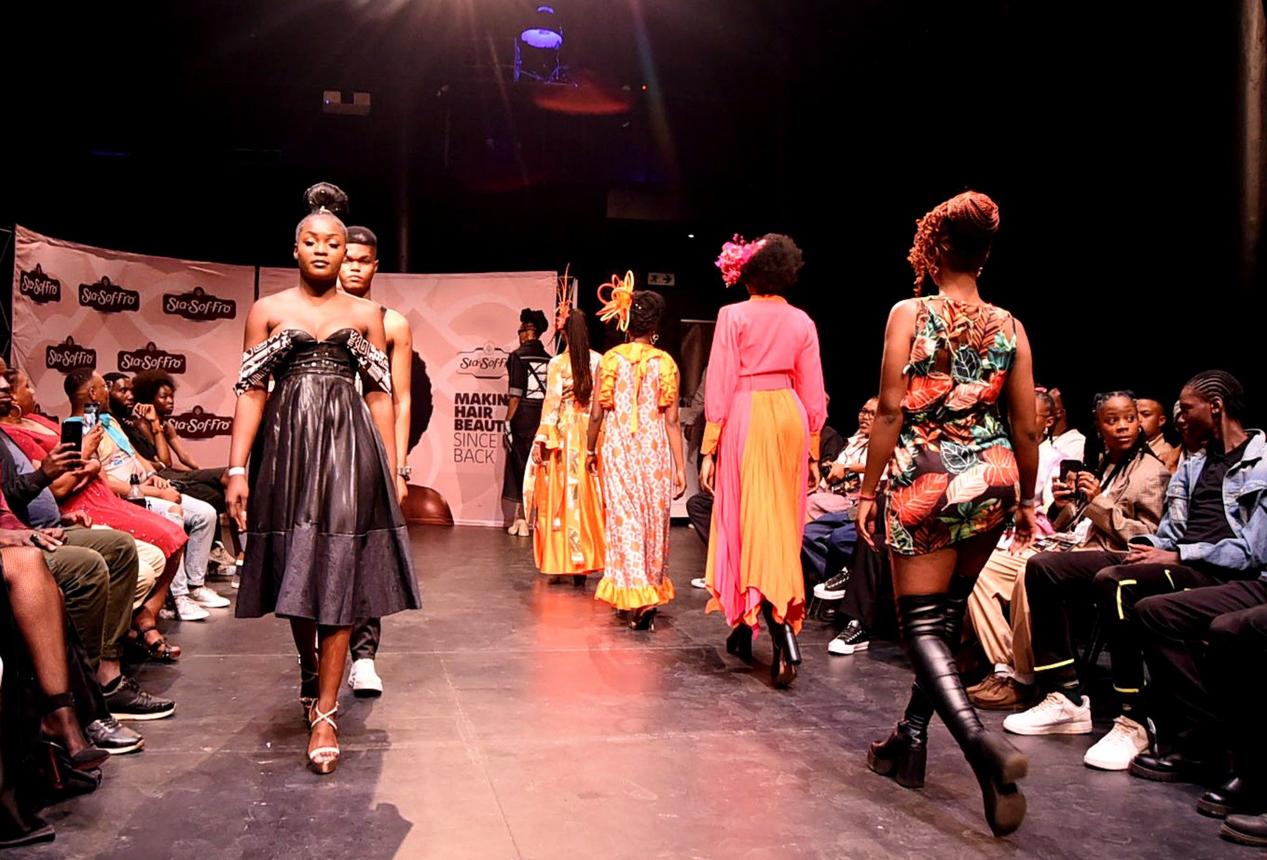
“Soweto Fashion Week returns from 5 to 7 November 2026 at Soweto Theatre in Jabulani, bringing together emerging designers, established fashion labels and university fashion students for a showcase of South African creativity. The Spring/Summer 2026 edition highlights bold colours, contemporary silhouettes, cultural storytelling and opportunities for local designers to strengthen their visibility in the fashion industry.”
Soweto Fashion Week Spring/Summer 2026 Puts South African Fashion Design in the Spotlight
Soweto Fashion Week is preparing to bring South African fashion design into the spotlight once again, with its Spring/Summer 2026 showcase scheduled for 5 to 7 November at Soweto Theatre in Jabulani. The three-day event is expected to bring together emerging designers, established fashion labels, creative professionals and fashion students in a celebration of the country’s evolving design identity.
The announcement, published on 2 November, arrives at an important moment for South African fashion. Local designers are increasingly looking for opportunities to showcase their work, connect with audiences and develop sustainable businesses around their creative ideas. Soweto Fashion Week offers a platform where these ambitions can be explored through contemporary clothing, cultural expression and the commercial possibilities of the fashion industry.
A Platform for South African Creative Expression
The Spring/Summer 2026 edition is expected to showcase a diverse range of design approaches, reflecting the many influences shaping contemporary South African fashion.
According to the event announcement, designers will explore movement, colour, prints and expressive silhouettes associated with spring and summer collections. These creative elements provide opportunities to experiment with clothing that combines visual appeal, cultural references and contemporary fashion sensibilities.
South African fashion has developed through a combination of traditional craftsmanship, urban culture, indigenous influences and international design trends. Designers frequently reinterpret these influences to create garments that reflect personal experiences and broader social identities.
Soweto Fashion Week provides a platform for these different perspectives to coexist, allowing designers to communicate their ideas through collections rather than limiting fashion to commercial clothing alone.
The event’s emphasis on homegrown creativity also reflects the growing importance of supporting locally developed fashion products and strengthening the visibility of South African designers.
Emerging Designers Take Centre Stage
One of the most important components of the upcoming showcase is the Emerging Designers Bloc, scheduled for the opening night.
Nine emerging designers are expected to present their work, including RFL Studios, Zimisele and Shirley Joseph. Fashion students from the University of Johannesburg and Tshwane University of Technology are also included in the programme.
This combination of independent designers and students provides an important opportunity for new creative talent to gain exposure.
For emerging designers, participating in a fashion showcase can help establish professional credibility, introduce collections to potential customers and create opportunities for collaboration with industry stakeholders.
Fashion students also benefit from the experience of presenting their work within a professional environment. A runway presentation requires designers to consider more than garment construction. It involves collection development, styling, presentation, visual communication and understanding how audiences respond to creative concepts.
The inclusion of university students demonstrates how fashion education and industry opportunities can complement one another.
South Africa’s fashion sector needs designers who understand both creative development and the practical requirements of producing garments. Platforms that connect education with professional exposure can therefore contribute to the development of future fashion businesses.
Mbobo Movement Advances to the Main Show
A notable highlight of the second evening is the participation of Mbobo Movement, the patchwork and denim label founded by Luthando Mbobo.
The brand previously appeared in Soweto Fashion Week’s Autumn/Winter 2026 Emerging Designers Bloc. Its return to the event’s main show represents an important progression in its runway journey.
Mbobo Movement has also received recognition beyond the Soweto Fashion Week platform, including a nomination for Best Emerging Fashion Designer at the South Africa Fashion Awards and participation in SA Kids Fashion Week.
The Spring/Summer collection is expected to feature bold colours and celebrate South African identity through expressive clothing.
Patchwork and denim offer interesting possibilities for contemporary fashion design. Patchwork techniques allow designers to combine different fabric pieces, textures and patterns, producing garments that can communicate individuality and experimentation.
Denim, meanwhile, remains a versatile material with strong connections to everyday clothing, streetwear and contemporary fashion culture.
By combining these materials and approaches, designers can create collections that connect familiar clothing traditions with more experimental design ideas.
Mbobo Movement’s progression illustrates how emerging fashion labels can use runway participation as part of a longer-term process of brand development.
Established Designers and Creative Brands Join the Showcase
The second evening is also expected to feature Precious Lulu Couture, KwaZulu Fashion Hut and Originally Kasified, among other participants.
Their inclusion strengthens the diversity of the programme and creates opportunities for audiences to encounter different approaches to clothing, styling and fashion identity.
Fashion showcases become particularly valuable when they bring together designers working across different aesthetics and market segments.
Couture-inspired collections can emphasise detailed construction, sophisticated silhouettes and specialised craftsmanship. Contemporary labels may focus on wearable fashion, cultural references, distinctive styling or experimental materials.
The coexistence of these approaches helps demonstrate the breadth of South African design.
It also provides audiences with opportunities to discover fashion labels they may not encounter through conventional retail channels.
Fashion, Culture and the South African Identity
South African fashion design frequently draws inspiration from the country’s diverse cultural landscapes.
Designers may incorporate traditional patterns, contemporary interpretations of heritage, regional influences and personal narratives into their collections.
However, cultural expression in fashion is not limited to reproducing traditional garments. It can also involve reinterpreting cultural experiences through modern silhouettes, innovative textiles and contemporary styling.
Soweto Fashion Week provides a setting in which these ideas can be explored.
Soweto itself has a powerful cultural identity connected to music, community, creativity and historical transformation. Its location gives the fashion showcase an additional dimension, linking contemporary design with a place that has played a significant role in South African cultural history.
The event therefore offers more than an opportunity to display clothing. It also provides a platform for creative conversations about identity, representation and the future of South African fashion.
The Final Evening Connects Fashion With the Arts
The final evening is expected to bring fashion and other creative disciplines together.
Television presenter Ayanda Nhlapo will present House of Ayanda, while Afro-soul and R&B singer Wanda Baloyi will showcase Wanda Wear by Wanda Baloyi.
Hoss by Sass, founded by Sanele Thabethe, and Dope Store are also among the announced participants.
The involvement of personalities from entertainment and music demonstrates the growing relationship between fashion and other creative industries.
Artists and designers frequently collaborate through performance clothing, music videos, promotional campaigns and fashion collections.
These relationships can strengthen brand visibility and create opportunities for designers to reach audiences outside traditional fashion circles.
For fashion businesses, collaborations with entertainment personalities can also introduce new customers to locally produced clothing.
Nevertheless, the long-term value of these collaborations depends on whether exposure translates into meaningful commercial opportunities, including product sales, partnerships and customer engagement.
The Commercial Importance of Fashion Showcases
Fashion events can contribute to the development of local creative economies in several ways.
First, they provide designers with opportunities to present collections and establish their brands.
Second, they create spaces where industry participants can potentially identify new talent, explore collaborations and develop business relationships.
Third, they encourage audiences to engage with locally developed fashion products.
For South African designers, these opportunities are especially relevant when building independent businesses in a competitive fashion environment.
Designers must often balance creativity with the realities of production costs, fabric sourcing, garment construction, marketing and distribution.
A runway presentation can help communicate a brand’s identity, but the commercial success of a collection also depends on its accessibility, quality and appeal to customers.
Fashion showcases are therefore most valuable when creative exposure is accompanied by opportunities for business development.
Supporting Local Fashion Businesses
The growing interest in South African fashion also highlights the importance of supporting local designers and garment producers.
Purchasing locally designed clothing can contribute to the development of businesses involved in fashion production, including textile suppliers, garment manufacturers, pattern makers and independent retailers.
It can also help preserve specialised skills and create opportunities for creative entrepreneurship.
However, supporting local fashion requires more than celebrating designers at events.
The industry also needs practical opportunities to manufacture garments, access funding, develop retail networks and reach customers.
For emerging labels, these factors can determine whether creative ideas develop into sustainable businesses.
Fashion events can contribute to this process by creating visibility and encouraging audiences to discover locally developed collections.
Sustainability and the Future of Fashion Design
Sustainability is becoming an important consideration across the fashion industry.
Designers increasingly face questions about material selection, production practices, garment longevity and textile waste.
South African fashion businesses can explore approaches such as responsible fabric sourcing, small production runs, garment repair, recycling and creative reuse.
These approaches can provide opportunities to reduce waste while developing distinctive design identities.
Nevertheless, sustainable fashion also requires commercial viability.
Consumers must be able to access clothing that offers quality, appealing design and reasonable value.
Fashion designers therefore need to consider environmental responsibility alongside aesthetics, craftsmanship and customer expectations.
Soweto Fashion Week’s focus on local creative talent provides a useful setting for discussions about how the industry can evolve while preserving its cultural and artistic strengths.
Fashion Education and the Next Generation
The participation of fashion students from the University of Johannesburg and Tshwane University of Technology reinforces the importance of education in the development of South African fashion.
Fashion education provides students with technical knowledge, creative skills and opportunities to understand garment production.
However, professional experience is equally important.
Presenting collections to audiences can help students understand how design concepts are communicated and how garments function within a complete fashion presentation.
Students also gain opportunities to observe the work of established designers and emerging brands.
These experiences may encourage collaboration, professional networking and the development of future fashion businesses.
The presence of student designers at Soweto Fashion Week therefore contributes to a broader conversation about talent development and the future of South African fashion.
Soweto Fashion Week and the Future of South African Design
The Spring/Summer 2026 showcase arrives as South African designers continue to seek greater recognition in local and international fashion markets.
Its programme brings together emerging talent, established labels, fashion education and creative collaboration.
The event also demonstrates how fashion can connect cultural identity with contemporary design and commercial opportunity.
For audiences, it offers an opportunity to discover clothing and collections developed by South African creatives.
For designers, it provides a platform to communicate ideas, strengthen brand identities and potentially develop new professional relationships.
For the wider industry, it reinforces the importance of investing in creative talent and developing opportunities for local fashion businesses.
Ultimately, the future of South African fashion will depend on the ability of designers to combine creativity with sustainable business practices, quality production and meaningful connections with customers.
Soweto Fashion Week’s Spring/Summer 2026 showcase is an important contribution to that ongoing journey.
As the event approaches, its central message remains clear: South African fashion design deserves platforms that celebrate its diversity, support emerging talent and create opportunities for local creativity to grow.



