




“The search did not establish a tennis report published specifically today. The strongest verified, timely domestic story identified is the upcoming RCS Rising Star Tennis National Finals, scheduled for 30 October to 1 November 2026. The event was reported on 12 October by Cape Town News Desk, so it should not be mislabelled as breaking news published today.”
South African Schools Prepare for RCS Rising Star Tennis National Finals as Youth Development Takes Centre Court
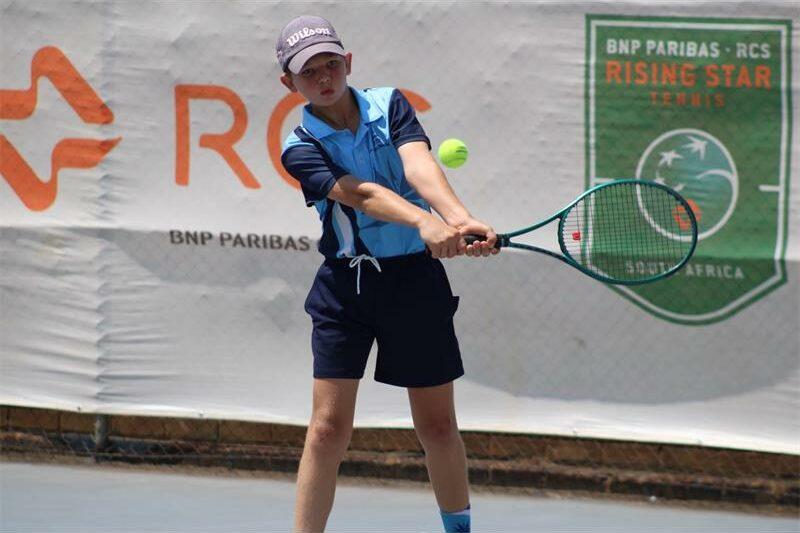
South African school tennis is preparing for an important national showcase as the RCS Rising Star Tennis National Finals approach, bringing young players from across the country together for three days of competition from 30 October to 1 November 2026. The tournament represents a significant opportunity for primary-school players to test their abilities, gain competitive experience and participate in a development programme designed to make tennis accessible to more children.
The seventh edition of the competition follows a successful 2025 season for Western Cape schools, which claimed both national primary-school titles in the boys’ and girls’ categories. With the new finals approaching, attention is turning towards the next generation of South African tennis players and the role school sport can play in developing future competitors.
According to a report published by Cape Town News Desk on 12 October, the programme includes Green Ball and wheelchair tennis competitions, alongside the introduction of a new district-level Orange Ball category. The tournament is organised within the broader development framework associated with Tennis South Africa and supported by the RCS Group.
National finals provide a platform for young tennis players
The RCS Rising Star Tennis National Finals are scheduled to take place over three days, beginning on Friday, 30 October, and concluding on Sunday, 1 November. The event brings together qualifying school teams from different parts of South Africa, creating a national platform for young players to compete beyond their local school and district environments.
For developing tennis players, opportunities to participate in organised competitions are an important part of learning the sport. Training sessions help children develop technique, coordination and consistency, while competitive matches introduce additional challenges involving decision-making, concentration and managing pressure.
School tournaments also allow players to measure their progress against opponents with different playing styles. This experience can help coaches identify areas for improvement and provide players with practical objectives for future training.
The national finals therefore offer more than an opportunity to win trophies. They provide a setting in which young athletes can gain experience, build confidence and understand the demands of competitive tennis.
The programme’s nationwide structure is also important because opportunities to participate in tennis can differ considerably between communities. Some schools have established courts, experienced coaches and regular competition, while others face limitations involving facilities, equipment, transport and funding.
By bringing qualifying teams into a national competition, the Rising Star programme helps connect school-level participation with a broader sporting pathway.
Western Cape schools return to the spotlight
The Western Cape enters the build-up to the 2026 finals with a strong record from the previous edition. Durbanville Primary School won the boys’ national title in 2025, while Courtrai Primary School secured the girls’ championship.
Those results provided evidence of the competitive potential of school tennis in the province and established a benchmark for schools seeking national success this year. However, the previous winners’ achievements do not establish which schools have qualified for the 2026 finals, and the confirmed list of participating teams should be checked against official tournament announcements.
The prospect of defending national honours can provide motivation for school teams, coaches and players. Nevertheless, the new competition offers every qualifying school an opportunity to make its own mark, regardless of the results achieved in the previous season.
For participating pupils, reaching a national final can itself represent an important accomplishment. It requires sustained participation, preparation and success within the qualification process.
The tournament also provides an opportunity for schools to celebrate tennis as a team activity. Although singles matches often place the emphasis on individual performance, school competitions can foster shared responsibility, encouragement and a sense of belonging.
These benefits are particularly relevant for younger athletes, who are still developing their understanding of competition and learning how to respond to both victories and defeats.
Expanding participation through different tennis formats
One of the notable features of the 2026 programme is its inclusion of different playing formats and development categories.
Green Ball tennis is intended to support players who are developing their skills, using a ball designed to move more slowly than a standard yellow tennis ball. This can give developing players more time to position themselves, prepare their shots and sustain rallies.
The format can help children develop basic tennis skills while experiencing the tactical elements of match play. It also creates opportunities for players to build confidence before progressing towards faster and more demanding forms of competition.
The programme’s wheelchair tennis component is another important feature. Its inclusion supports opportunities for athletes with disabilities to participate in organised tennis and compete within a structured sporting environment.
The report on the national finals also identifies Helen Franz Special School in Limpopo as the winner of both wheelchair tennis categories in 2025. That achievement highlights the contribution of inclusive competition to the wider development of school sport.
The introduction of a district-level Orange Ball category further broadens the programme’s development approach. Orange Ball tennis is commonly used for developing players, with adapted court dimensions and equipment helping children learn movement, shot selection and rally construction.
Introducing the category at district level can help create an earlier entry point into organised competition. Instead of requiring every young player to progress immediately towards the same competitive standard, the programme can provide opportunities suited to different stages of development.
The long-term value of these formats depends on consistent delivery, suitable coaching and opportunities for participants to continue playing after the national event.
Making tennis more accessible to schools
Cost and access remain important considerations in school sport. Tennis requires equipment, suitable playing surfaces, instruction and opportunities to travel to competitions. For schools operating with limited resources, these requirements can make regular participation difficult.
The RCS Rising Star programme seeks to reduce some of these barriers. The published report states that entry into the school development series is free, while host schools receive support such as tennis balls and officials. Selected travel and accommodation assistance is also available for qualifying schools facing long journeys.
Such measures can help participating schools direct more resources towards training and player development. They can also make it easier for schools outside major metropolitan areas to consider entering organised competitions.
However, financial support alone cannot resolve every challenge. Sustainable school tennis also depends on access to courts, trained coaches, suitable equipment and regular practice opportunities.
Schools may need to work with local clubs, provincial structures, community organisations and other sporting partners to establish programmes that continue beyond a single tournament.
The national finals can help draw attention to these needs by bringing together participants from different areas and demonstrating the value of a coordinated development pathway.
For organisers, an important measure of success will be whether the programme encourages more children to remain involved in tennis after their initial introduction to the sport.
The importance of grassroots tennis development
South Africa has a long history of producing players who compete at international level. However, developing future champions requires more than identifying talented athletes once they have reached an advanced stage of competition.
A sustainable tennis pathway begins with participation. Children need opportunities to discover the game, learn basic skills, receive constructive coaching and compete against players at a comparable level.
School programmes can provide an effective starting point because they bring sport into an environment where children already spend much of their time. They can also introduce tennis to pupils who might not otherwise have access to a private club or specialised training facility.
Competitions such as Rising Star Tennis create another important link between introductory participation and organised performance. Through district, provincial and national stages, players can gain experience while developing an understanding of the standards required at each level.
Nevertheless, a national tournament should be viewed as one part of a wider system rather than a complete solution to the challenges facing grassroots sport.
Continued access to training, qualified coaching, suitable facilities and further competitions remains essential if promising players are to progress.
The involvement of schools is equally significant. Teachers and school sports coordinators can help create an environment in which participation is encouraged, performance is recognised and pupils can balance their sporting commitments with their education.
Parents and guardians also play a role by supporting regular attendance, encouraging healthy competition and helping children maintain a positive relationship with sport.
What to watch as the finals begin
As the national finals approach, several developments will be worth following.
The first is the performance of the qualifying school teams. Results from the boys’ and girls’ competitions will reveal which schools emerge as national champions and whether the Western Cape can repeat its success from 2025.
The second is the performance of players competing in the programme’s development categories. Green Ball and Orange Ball formats can offer useful insight into the participation pathway available to younger athletes, although tournament results alone cannot determine who will eventually reach professional tennis.
The third is the programme’s continued delivery of inclusive competition. The wheelchair tennis categories are an important part of the event, and the participation and achievements of athletes in these divisions deserve coverage alongside the other competitions.
Finally, the event provides an opportunity to assess how effectively grassroots tennis connects schools with clubs and broader development structures. The number of participating schools, the geographic spread of competitors and the availability of follow-up opportunities can all help explain the programme’s reach.
At the time of writing, the available reporting does not establish the final list of 2026 qualifiers or identify the eventual champions. Those details should be confirmed through official tournament updates rather than inferred from the previous season’s results.
Conclusion: A significant weekend for school tennis
The RCS Rising Star Tennis National Finals offer South African school players an important opportunity to compete nationally while highlighting the wider value of grassroots sports development.
Scheduled for 30 October to 1 November 2026, the tournament follows the national success of Durbanville Primary School and Courtrai Primary School in 2025. Its continued emphasis on school participation, wheelchair tennis and adapted development formats demonstrates the importance of creating opportunities for children at different stages of their sporting journeys.
The introduction of a district-level Orange Ball category also signals an effort to widen the entry points into organised tennis. Combined with free programme entry and selected logistical support, these measures can help more schools consider participation, although sustained investment in coaching, facilities and regular competition remains necessary.
Ultimately, the significance of the national finals will extend beyond the winners. Every young player who gains experience, every school that establishes a stronger tennis programme and every child who finds a lasting interest in the sport contributes to the development of South African tennis.
As the competition begins, the central question is not simply which school will claim the national titles. It is also how the opportunities created by the programme can translate into continued participation and stronger tennis pathways for young people across the country.



