




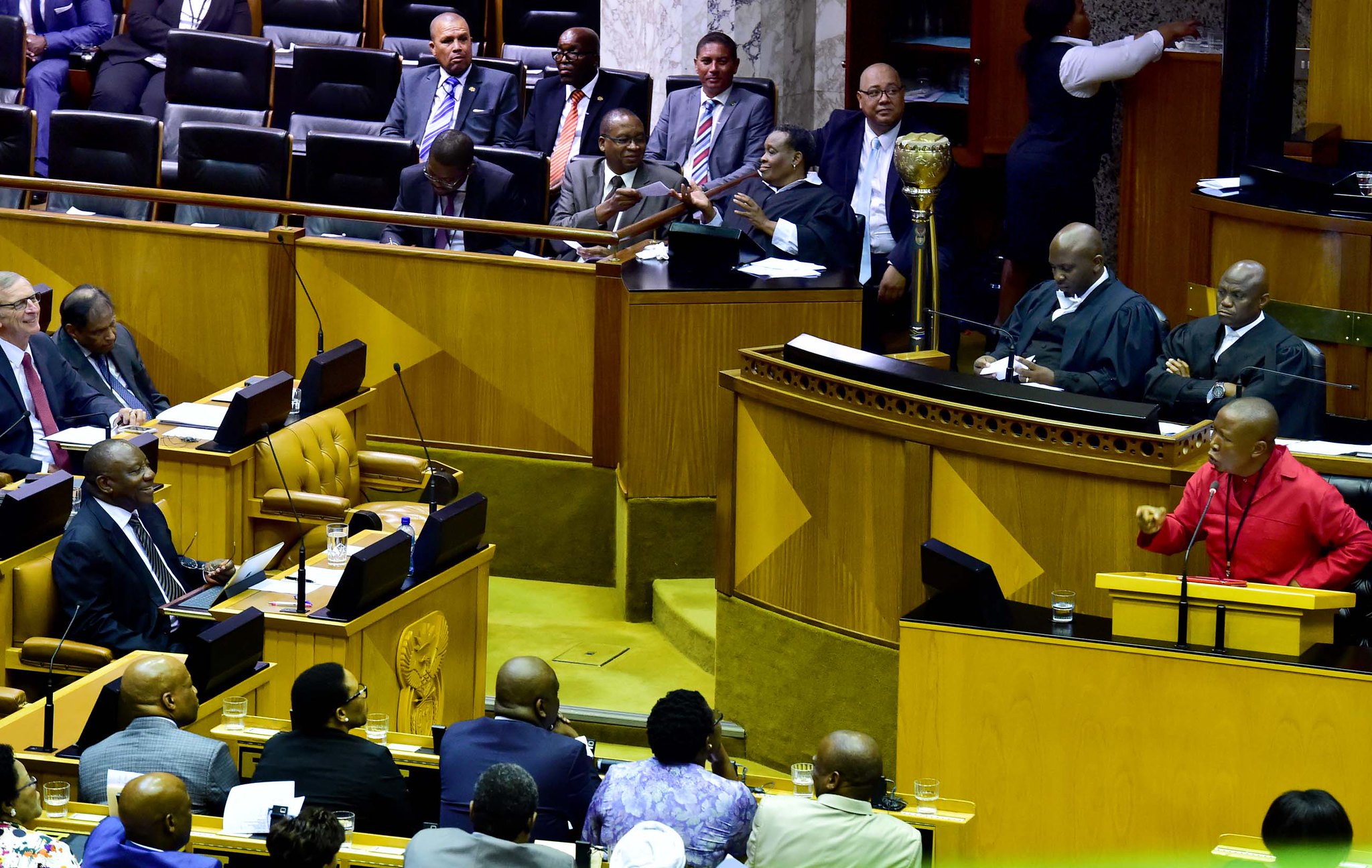
“Nigeria has formally announced plans to pursue compensation for its citizens who fled South Africa following anti-immigrant protests that destroyed businesses and homes. The move escalates tensions between Africa’s two largest economies, raising concerns about regional cooperation and stability.”
Background of the Crisis
In recent weeks, South Africa has witnessed a surge of anti-immigrant protests, particularly targeting African migrants. Demonstrators demanded stricter government action against undocumented migrants, leading to widespread unrest. Nigerian nationals were among the most affected, with thousands forced to abandon homes, businesses, and property. The Nigerian government has responded by announcing plans to seek compensation for these losses, a move that has placed Pretoria and Abuja on a collision course.
Nigeria’s Position
Nigeria’s Ministry of Foreign Affairs emphasized that the protection of its citizens abroad is a constitutional duty. Officials argue that South Africa failed to safeguard Nigerian nationals during the protests, thereby violating international norms. Abuja is preparing a formal diplomatic note demanding restitution, which may include financial compensation and guarantees of future protection. This stance reflects Nigeria’s broader foreign policy of defending its diaspora communities, particularly in Africa.
South Africa’s Response
South Africa’s government has acknowledged the protests but insists that law enforcement acted to restore order. Officials argue that the unrest was driven by socio-economic frustrations, including unemployment and housing shortages, rather than state-sanctioned xenophobia. Pretoria has yet to issue a formal response to Nigeria’s compensation demand, but analysts expect South Africa to resist financial liability, fearing it could set a precedent for similar claims from other nations.
Regional Implications
The dispute comes at a critical time for Africa’s regional diplomacy. Both Nigeria and South Africa are key players in the African Union (AU) and BRICS, and their cooperation is vital for continental initiatives such as the African Continental Free Trade Area (AfCFTA). A prolonged standoff could undermine these projects, weaken regional solidarity, and embolden populist movements that exploit anti-immigrant sentiment.
Historical Context
This is not the first time South Africa has faced accusations of xenophobia. Past waves of violence, particularly in 2008 and 2015, targeted African migrants, leading to strained relations with countries such as Zimbabwe, Mozambique, and Malawi. Nigeria’s current demand for compensation marks a new escalation, as previous disputes were largely resolved through diplomatic dialogue rather than financial claims.
Economic Dimensions
Nigeria and South Africa are Africa’s two largest economies, with significant trade and investment ties. Nigerian businesses operate in South Africa across sectors such as retail, technology, and finance. The protests disrupted many of these enterprises, causing millions in losses. If Nigeria pursues compensation through international arbitration, it could affect bilateral trade relations and discourage future investment.
Public Opinion
Public sentiment in Nigeria strongly supports the government’s demand for compensation. Many Nigerians view South Africa as hostile to African migrants and believe Abuja must take a firm stance. In South Africa, however, public opinion is divided. Some citizens sympathize with migrants, while others argue that the protests reflect legitimate frustrations over economic inequality.
Diplomatic Options
Experts suggest several possible outcomes:
- Negotiated Settlement: South Africa could agree to limited compensation or support for displaced Nigerians.
- AU Mediation: The African Union may intervene to prevent escalation.
- Legal Arbitration: Nigeria could pursue claims through international courts, though this would be lengthy and complex.
- Diplomatic Retaliation: Nigeria could restrict South African businesses operating in its territory, escalating the dispute further.
Broader International Relations
The crisis also intersects with South Africa’s broader diplomatic agenda. Pretoria is currently engaged in bilateral talks with Russia and preparing for the South Africa–Namibia Binational Commission. These initiatives highlight South Africa’s ambition to strengthen international partnerships. However, the Nigeria dispute risks overshadowing these efforts and damaging South Africa’s reputation as a regional leader.
Conclusion
The Nigeria–South Africa diplomatic standoff underscores the fragility of African solidarity in the face of domestic unrest. While both nations share aspirations for continental leadership, unresolved tensions could weaken their ability to cooperate on critical issues such as trade, security, and development. The coming weeks will be decisive, as Pretoria and Abuja navigate a dispute that could reshape Africa’s diplomatic landscape.



