




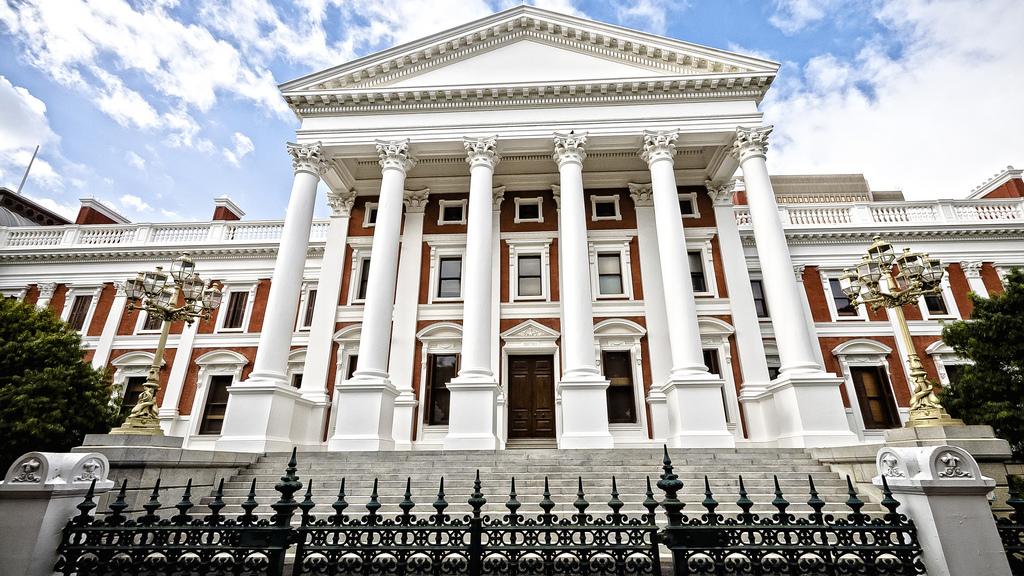
“South Africa’s National Treasury has published the Draft Municipal Finance Management Amendment Bill, 2026, proposing a major revision of the legal framework governing municipal finances, financial accountability and fiscal sustainability. The reform comes amid mounting concerns over municipal debt, weak revenue collection, infrastructure failures and financial mismanagement, placing renewed pressure on municipalities to demonstrate responsible stewardship of public resources.”
South Africa Moves to Modernise Municipal Finance as Treasury Introduces Landmark 2026 Amendment Bill
South Africa has taken an important legislative step towards strengthening local government financial management following the publication of the Draft Local Government: Municipal Finance Management Amendment Bill, 2026. The proposed legislation represents a significant attempt to modernise municipal financial governance, strengthen accountability and address persistent weaknesses affecting municipalities across the country.
Published by National Treasury on 6 November 2026, the draft Bill marks the first comprehensive statutory review of the Municipal Finance Management Act (MFMA) in 23 years. The proposed reforms come at a critical time for South Africa, as local authorities face growing financial pressures, deteriorating infrastructure, unpaid municipal accounts and increasing demands for improved public services.
The legislative initiative is particularly significant following the November municipal elections, which have intensified political competition and placed renewed attention on the performance of local government institutions.
A Major Legislative Review of Municipal Financial Management
The Municipal Finance Management Act, No. 56 of 2003, establishes the financial management framework governing municipalities and municipal entities. It regulates budgeting, expenditure management, financial reporting, auditing and accountability within local government.
However, developments in municipal administration, economic conditions and governance challenges have increased pressure for comprehensive legislative reform.
National Treasury’s Draft Municipal Finance Management Amendment Bill, 2026, seeks to modernise this framework by strengthening financial controls and improving fiscal sustainability.
The proposed amendments apply across the local government sphere, including municipalities, municipal entities, accounting officers, chief financial officers, councillors, oversight committees and commercial service providers dealing with municipal institutions.
Consequently, the legislation could have important implications for public procurement, financial administration, infrastructure investment and municipal service delivery.
Addressing Financial Mismanagement and Weak Accountability
One of the central objectives of the proposed legislative reform is to strengthen accountability for the management of public resources.
Municipal financial management remains a major concern in South Africa, with several local authorities experiencing persistent financial difficulties.
Irregular expenditure, inadequate financial controls, weak revenue collection and poor management of municipal resources have contributed to governance challenges in numerous communities.
The proposed amendments seek to establish a stronger framework for responsible financial administration and institutional accountability.
For municipalities, the reforms could require more effective financial planning, improved monitoring of expenditure and stronger compliance with statutory obligations.
Furthermore, municipal officials responsible for financial administration may face increased expectations concerning transparency, reporting and adherence to financial management requirements.
The legislation also has implications for councillors and municipal oversight committees, which play an important role in ensuring that public money is properly managed.
Strengthening accountability mechanisms could improve public confidence in municipal institutions, particularly where residents have experienced prolonged service delivery failures.
Fiscal Sustainability Becomes a Central Priority
A significant feature of the proposed reform is its emphasis on fiscal sustainability rather than relying exclusively on rigid numerical financial rules.
The draft framework seeks to encourage municipalities to establish fiscal objectives consistent with their electoral mandates while maintaining responsible financial management.
Municipal administrations would be expected to monitor their financial performance, report against their objectives during annual budget reviews and explain significant deviations from established fiscal commitments.
This approach could improve the relationship between political priorities and financial planning.
For example, municipalities seeking to expand infrastructure investment or improve water and electricity services would need to ensure that their spending commitments remain financially sustainable.
Fiscal sustainability is particularly important because municipalities depend on reliable revenue collection, responsible borrowing and effective expenditure management to maintain essential services.
Without these foundations, even ambitious infrastructure programmes can become financially unsustainable.
The proposed legislation therefore seeks to establish a stronger connection between municipal political priorities, financial accountability and long-term economic stability.
Municipal Debt Crisis Raises the Stakes
The proposed legislative reform arrives amid growing concerns over municipal indebtedness and financial instability.
South African municipalities face significant challenges in collecting revenue from households, businesses and other customers.
At the same time, municipalities owe substantial amounts to public utilities and service providers.
A Reuters report published on 3 November 2026 highlighted the scale of South Africa’s municipal debt crisis, reporting that municipalities owed Eskom approximately R122.5 billion, while households and businesses owed municipalities approximately R484.5 billion.
The report also indicated that municipalities collected only 63.9% of the amounts owed to them, creating significant financial pressure on local authorities.
These financial difficulties affect municipal capacity to pay electricity and water suppliers, maintain infrastructure and deliver essential services.
In some communities, residents have experienced prolonged water shortages and interruptions in basic services, demonstrating the consequences of weak financial management.
The proposed Municipal Finance Management Amendment Bill therefore has significance beyond accounting procedures.
Its implementation could influence the financial stability of local government and the ability of municipalities to provide reliable services.
Procurement and Public Spending Under Greater Scrutiny
Public procurement remains another important area of municipal financial governance.
Municipalities regularly purchase infrastructure, construction services, equipment and professional services through procurement processes funded by public money.
Weak procurement controls can expose municipalities to financial losses, irregular expenditure and disputes involving suppliers.
The proposed legislative framework seeks to strengthen financial governance and improve oversight across municipal institutions.
Businesses and contractors dealing with municipalities may consequently need to pay closer attention to compliance requirements, procurement documentation and contractual obligations.
Professional service providers, accounting firms, auditors and legal practitioners working with local government could also experience increased demand for compliance assistance.
However, the effectiveness of procurement reform will depend on implementation, institutional capacity and the ability of municipal administrations to enforce applicable requirements.
Legislation alone cannot eliminate corruption or financial mismanagement without effective monitoring and enforcement.
Political Implications Following the Municipal Elections
The publication of the draft Bill coincides with a significant period of political change in South Africa.
The November 2026 municipal elections have intensified political competition, weakened the dominance of the African National Congress in several municipalities and increased the importance of coalition governance.
The ANC received less than one-third of the national vote, according to Reuters’ reporting on the election results, while opposition parties strengthened their position in several metropolitan areas.
These developments have increased public expectations concerning municipal accountability, service delivery and responsible financial administration.
Coalition governments may face particular challenges in implementing financial reforms because different political parties must negotiate priorities, budgets and administrative decisions.
Nevertheless, the proposed legislation could provide a stronger institutional framework for municipalities regardless of which political parties control their councils.
Its success will therefore depend on cooperation between municipal administrations, provincial authorities and national government institutions.
Public Participation and the Legislative Process
The publication of the Draft Municipal Finance Management Amendment Bill represents an important stage in the legislative process, rather than the completion of reform.
The draft legislation provides an opportunity for stakeholders to examine proposed amendments and identify areas requiring clarification or improvement.
Municipalities, professional associations, civil society organisations, financial institutions, businesses and public sector experts have important roles in evaluating the proposed changes.
Public participation is particularly valuable because municipalities operate under different economic and administrative conditions.
A financially strong metropolitan municipality may have considerably greater administrative capacity than a small rural municipality with limited revenue sources.
Consequently, stakeholders may need to assess whether the proposed requirements are practical, proportionate and sufficiently flexible to accommodate differences in municipal circumstances.
National Treasury’s consultation process can help identify implementation challenges and improve the final legislative framework.
Implications for Service Delivery and Communities
The ultimate importance of municipal financial reform lies in its potential effect on communities.
Municipal finances support essential services, including water supply, sanitation, electricity distribution, waste collection, roads and public infrastructure.
When municipalities experience financial difficulties, residents frequently experience the consequences through deteriorating services, delayed maintenance and inadequate infrastructure investment.
Improved financial governance could help municipalities allocate resources more effectively and strengthen their ability to maintain essential services.
Nevertheless, financial reform should not be viewed as an immediate solution to every municipal challenge.
Service delivery also depends on infrastructure planning, engineering capacity, administrative competence, effective leadership and responsible procurement.
The proposed amendments therefore form part of a broader effort to improve local government performance.
Conclusion: A Critical Test for South African Local Government
South Africa’s Draft Municipal Finance Management Amendment Bill, 2026, represents a major legislative opportunity to strengthen local government financial administration.
By emphasising fiscal sustainability, accountability and improved financial controls, the proposed reforms seek to address weaknesses that have undermined municipal governance for years.
The legislation also arrives at a politically significant moment, following municipal elections that have increased public scrutiny of local government performance.
Its effectiveness will ultimately depend on the final provisions adopted through the legislative process and the willingness of municipalities to implement stronger financial management practices.
For South African communities, the central expectation remains clear: responsible financial administration must translate into better services, stronger infrastructure and greater accountability for public money.
The proposed Bill therefore represents not merely a technical adjustment to municipal financial legislation, but an important test of South Africa’s commitment to rebuilding trust in local government.
As Parliament and stakeholders examine the proposed reforms, the challenge will be ensuring that legislative improvements produce measurable changes in municipal administration and the everyday experiences of residents.



