




“Nigeria’s Senate has ordered a fresh investigation into xenophobic violence in South Africa, warning that retaliatory diplomatic measures may follow if attacks on Nigerians persist. The move comes as regional tensions deepen, with Ghana postponing President Cyril Ramaphosa’s state visit after the killing of a Ghanaian citizen during the unrest.”
On July 8, 2026, Nigeria’s Senate issued a stern warning to South Africa, signaling possible retaliatory measures if xenophobic attacks against Nigerians and other African nationals continue. This legislative move underscores the growing diplomatic crisis between Pretoria and several African states, highlighting the intersection of domestic unrest in South Africa with broader continental politics.
Background of the Violence
The latest wave of xenophobic violence erupted in late June 2026, when local groups in South Africa issued ultimatums demanding that foreign nationals vacate certain communities. These threats quickly escalated into violent attacks, resulting in deaths, injuries, and widespread destruction of businesses owned by Nigerians and other African migrants. Almost 1,000 Nigerians have already been repatriated by the Nigerian government, reflecting the severity of the crisis.
Senate’s Legislative Response
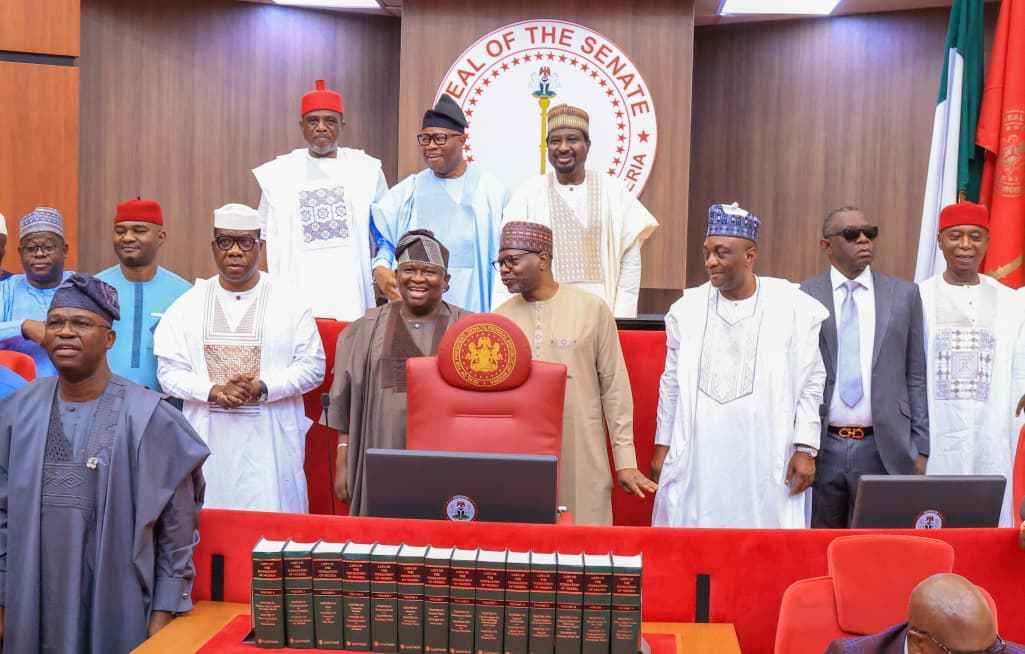
Nigeria’s Senate convened an emergency session, where lawmakers debated possible responses. Senator Asuquo Ekpeyong sponsored the motion that led to the resolution, emphasizing the grave threat posed by the ultimatum and the attacks. The Senate directed its committees to investigate the violence and submit recommendations within two legislative weeks. While rejecting immediate calls to sever diplomatic ties or confiscate South African business assets, the Senate insisted that firm assurances must be obtained from Pretoria regarding the safety of Nigerians.
Divergent Views Among Lawmakers
The debate revealed differing perspectives within Nigeria’s legislature. Senator Salihu Mustapha argued that Nigeria could no longer remain passive, urging tougher diplomatic measures if attacks persisted. In contrast, former Senate Leader Yahaya Abdullahi cautioned against rash actions, warning that such steps could worsen relations and destabilize the region. Abdullahi suggested that the violence might be part of a broader political agenda aimed at undermining South Africa’s government.
Historical Context
Nigeria’s role in supporting liberation struggles across Southern Africa was repeatedly invoked during the debate. Lawmakers recalled Nigeria’s sacrifices during the anti-apartheid movement, lamenting that South Africa’s current trajectory undermines the solidarity that once defined African unity. This historical framing added moral weight to the Senate’s resolution, positioning Nigeria as a defender of African dignity and safety.
Regional Diplomatic Fallout
The crisis has already reverberated across Africa. Ghana postponed President Cyril Ramaphosa’s planned state visit following the killing of a Ghanaian citizen during the unrest. This move signals broader regional discontent with South Africa’s handling of xenophobic violence. Other African governments are closely monitoring the situation, with discussions emerging about coordinated continental responses.
Implications for South African Politics
Domestically, the violence poses significant challenges for South Africa’s government. President Ramaphosa faces mounting pressure to address xenophobia, which has become a recurring issue undermining social cohesion. Critics argue that the government’s failure to protect foreign nationals damages South Africa’s international reputation and threatens its economic ties with key African partners.
Economic Dimensions
South African companies operating in Nigeria, such as MTN and Shoprite, have previously faced backlash during xenophobic crises. Lawmakers in Nigeria debated whether profits from these companies should be confiscated to compensate victims, though the proposal was ultimately rejected. Nevertheless, the threat of economic retaliation looms large, raising concerns about bilateral trade and investment flows.
Legislative Demands
The Senate’s resolution directed Nigeria’s Ministry of Foreign Affairs and its High Commission in Pretoria to secure written guarantees from South Africa. These guarantees must include commitments to arrest and prosecute perpetrators of the attacks. The resolution also emphasized the need for improved funding of Nigeria’s foreign missions, which lawmakers argued are currently ill-equipped to protect citizens abroad.
Broader Continental Politics
The crisis highlights the fragility of African unity in the face of domestic unrest. While the African Union has often championed integration and solidarity, xenophobic violence in South Africa undermines these ideals. Nigeria’s legislative response may set a precedent for other African states, encouraging stronger diplomatic interventions when citizens are endangered abroad.
Conclusion
Nigeria’s Senate has taken a decisive legislative step, warning South Africa that continued xenophobic violence will not be tolerated. The resolution reflects both immediate concerns for Nigerian citizens and broader continental anxieties about South Africa’s political stability. As investigations proceed, the outcome will shape not only Nigeria-South Africa relations but also the future of African solidarity in the face of recurring xenophobia.



