




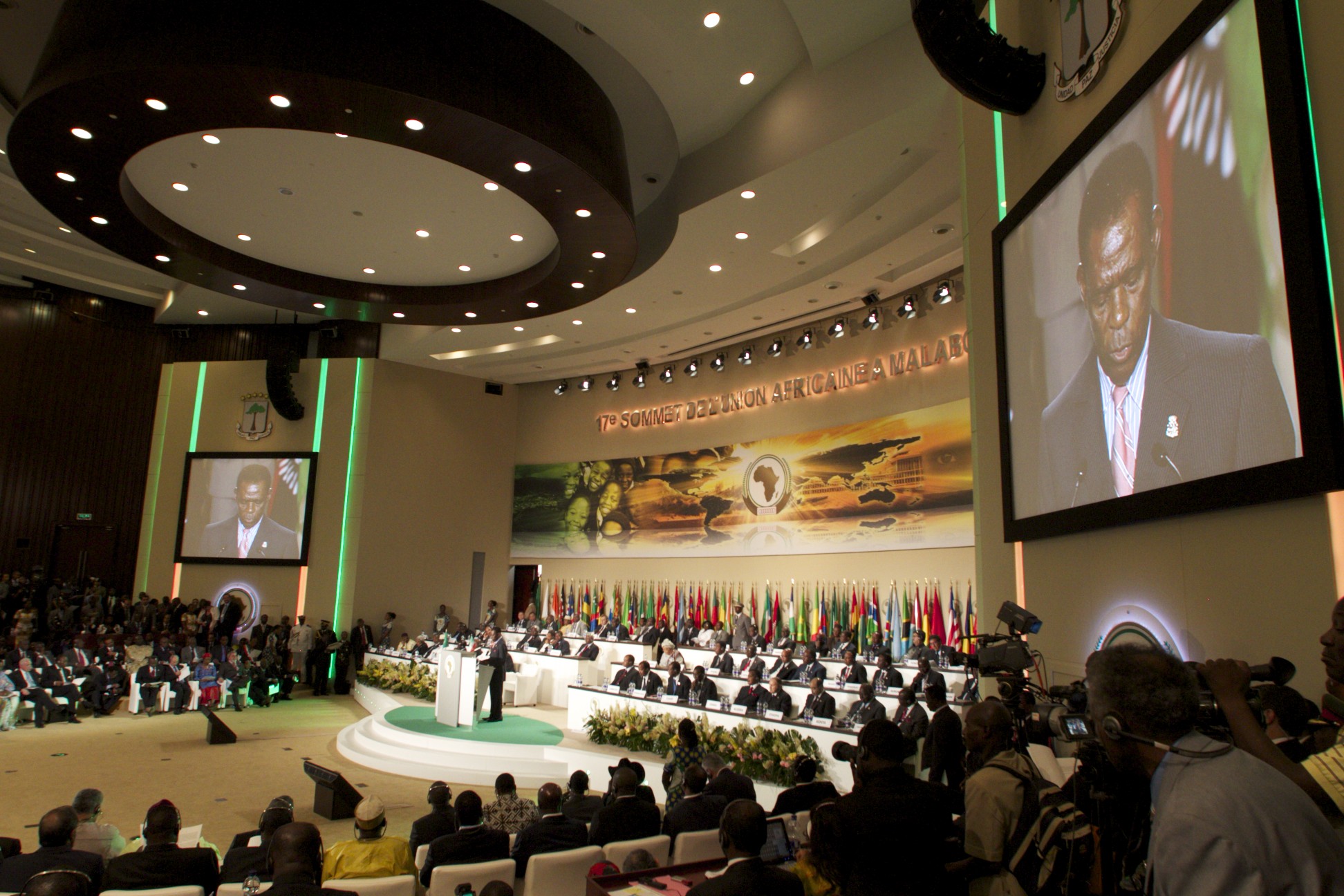
“President Cyril Ramaphosa is set to answer tough questions in the National Assembly today, focusing on South Africa’s international credibility amid rising anti-immigration sentiment and his government’s structural reforms to strengthen municipal accountability. The session is seen as a critical test of Ramaphosa’s leadership in balancing domestic governance challenges with South Africa’s Pan-African diplomatic role.”
On 25 August 2026, South Africa’s President Cyril Ramaphosa faces one of the most politically charged parliamentary sessions of his tenure. As he prepares to answer oral questions in the National Assembly, the stakes are high: the credibility of South Africa as a Pan-African leader has been shaken by recent anti-immigration protests, while domestic governance reforms remain under scrutiny ahead of local government elections. This moment encapsulates the intersection of international relations and domestic politics, highlighting how South Africa’s internal challenges reverberate across the continent.
Background: South Africa’s Pan-African Role
South Africa has long positioned itself as a Pan-African voice, championing integration through the African Union (AU) and regional blocs such as the Southern African Development Community (SADC). However, recent anti-immigration protests targeting foreign nationals have undermined this image, raising concerns among neighboring states. Critics argue that xenophobic sentiment contradicts South Africa’s diplomatic rhetoric of solidarity and regional cooperation. Ramaphosa’s parliamentary appearance is therefore not just about domestic accountability—it is about reassuring Africa that South Africa remains committed to unity and inclusivity.
Domestic Governance Challenges
At home, Ramaphosa faces mounting pressure to deliver on structural reforms aimed at improving municipal capacity. South Africa’s municipalities have been plagued by corruption, poor service delivery, and financial mismanagement. Ahead of the upcoming local elections, restoring accountability is critical. Ramaphosa is expected to outline reforms that strengthen oversight mechanisms, enhance transparency, and ensure reliable delivery of basic services such as water, electricity, and sanitation. These reforms are not only about governance—they are about restoring public trust in democracy.
International Relations Dimension
The parliamentary session also carries significant international relations implications. South Africa’s credibility as a Pan-African leader has been questioned by peers in the AU and SADC. Ramaphosa’s responses will be closely watched by regional leaders, particularly given South Africa’s role as host of the recent SADC summit in Durban, where infrastructure development and industrialization were emphasized. His ability to reconcile domestic unrest with regional commitments will determine whether South Africa can continue to lead on issues such as critical minerals, peacekeeping, and regional integration.
Opposition Pressure
Opposition parties, including the Economic Freedom Fighters (EFF), have seized on the moment to challenge Ramaphosa’s leadership. The EFF has already tabled a motion of no confidence in Speaker Thoko Didiza, citing her handling of impeachment proceedings. While the motion is unlikely to succeed, it reflects broader dissatisfaction with the Government of National Unity arrangement. Ramaphosa’s parliamentary appearance thus becomes a litmus test for political stability, as opposition parties seek to exploit governance failures to weaken the ruling coalition.
Economic Context
The political debate unfolds against a backdrop of economic uncertainty. Producer Price Inflation (PPI) data released this week shows a slowdown, driven by falling fuel prices. While this eases input costs for industries, economists caution that fuel prices remain elevated compared to pre-conflict levels. Ramaphosa’s credibility will also hinge on whether his government can align economic reforms with political stability, ensuring that South Africa remains attractive to investors while fulfilling its Pan-African commitments.
Implications for South Africa’s Future
The outcome of today’s parliamentary session will shape South Africa’s trajectory in both domestic and international arenas. If Ramaphosa successfully articulates a vision that restores Pan-African credibility and demonstrates tangible governance reforms, he could strengthen South Africa’s leadership role in Africa. Failure, however, risks deepening domestic disillusionment and eroding South Africa’s diplomatic standing.
Conclusion
President Cyril Ramaphosa’s appearance before the National Assembly today is more than a routine parliamentary engagement—it is a defining moment for South Africa’s international relations under politics. Balancing domestic governance reforms with Pan-African credibility is no easy task, but it is essential if South Africa is to maintain its role as a continental leader. The world, and Africa in particular, will be watching closely.



