




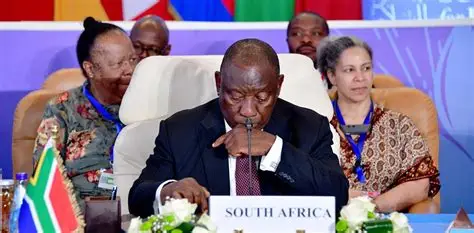
“President Cyril Ramaphosa is in Paris from July 10–12, 2026, engaging in high-level diplomacy with France and UNESCO while commemorating South Africa’s World War I soldiers. The visit highlights Pretoria’s strategy to deepen European partnerships, advance African Union solidarity, and position South Africa as a global diplomatic bridge.”
South Africa’s foreign policy under President Cyril Ramaphosa has entered a decisive phase. His working visit to France (July 10–12, 2026) is more than ceremonial—it is a calculated diplomatic maneuver aimed at strengthening ties with Europe, reinforcing African Union solidarity, and positioning South Africa as a key interlocutor between Africa and global powers.
Strategic Context
The visit comes at a time when Africa faces pressing challenges:
- Economic recovery post-pandemic.
- Climate change adaptation and green energy transitions.
- Geopolitical instability in regions such as Madagascar and the Democratic Republic of Congo.
Ramaphosa, as the African Union Champion for Pandemic Preparedness, Prevention, and Response, has been actively involved in continental missions, including recent engagements in Kinshasa. France, meanwhile, is recalibrating its Africa policy, seeking to maintain influence while responding to criticism of neo-colonial tendencies.
Key Objectives of the Visit
- Trade and Investment: South Africa aims to expand access to European markets, particularly in renewable energy, mining, and agriculture. France’s interest in African green energy projects aligns with Pretoria’s push for sustainable development.
- African Union Solidarity: Ramaphosa is emphasizing Africa’s collective voice in global governance, advocating for reforms in institutions such as the UN Security Council and World Trade Organization.
- Security Cooperation: Discussions include regional peacekeeping, counter-terrorism, and migration governance, especially given instability in Southern Africa.
UNESCO Engagement
On July 10, 2026, Ramaphosa co-chaired the UNESCO High-Level Steering Committee on SDG4 (education) at UNESCO Headquarters in Paris. This was followed by the Transforming Education Summit Stocktake, where South Africa highlighted its commitment to equitable education and digital learning.
Commemoration of Delville Wood
On July 12, 2026, Ramaphosa attended the 110th Commemoration of the Battle of Delville Wood at the South African Memorial in Longueval. This historic event honored South African soldiers who lost their lives during World War I, reinforcing the country’s long-standing ties with France and Europe.
Diplomatic Significance
The timing of the visit is symbolic, coming just days before Nelson Mandela Day (July 18). It signals South Africa’s commitment to global justice and human rights. Moreover, by engaging France, Pretoria demonstrates its intent to balance BRICS partnerships (with China, Russia, India, Brazil) with Western alliances, ensuring diversified diplomatic leverage.
Domestic Implications
Back home, Ramaphosa’s foreign policy is under scrutiny. Critics argue that while international engagements are vital, domestic challenges—such as unemployment, energy insecurity, and governance issues—require equal attention. Supporters counter that South Africa’s global positioning enhances trade, investment, and security, which ultimately benefit the domestic economy.
Conclusion
Ramaphosa’s Paris visit encapsulates South Africa’s evolving role in international relations. By deepening ties with France and the EU, reinforcing African solidarity, and commemorating historical sacrifices, Pretoria is crafting a foreign policy that balances continental priorities with global partnerships. This strategy reflects South Africa’s ambition to be a bridge nation—anchored in Africa yet globally engaged.



