




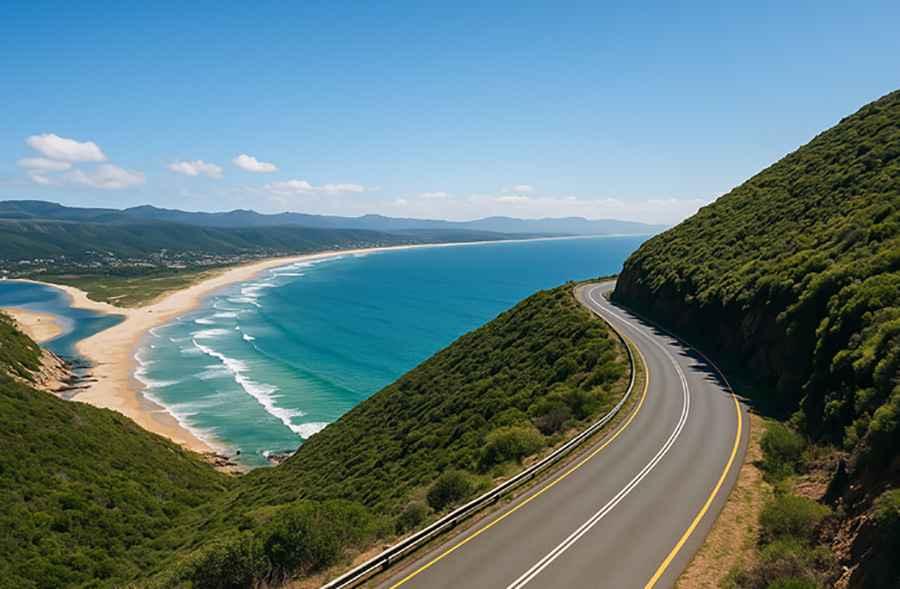
“South Africa’s travel and road safety considerations are in focus on 1 November 2026 as severe thunderstorm warnings affect parts of the country, particularly KwaZulu-Natal, where heavy rainfall, hail, lightning and possible flooding could disrupt journeys. Travellers are being encouraged to monitor official weather updates, plan routes carefully, avoid hazardous roads and prioritise personal safety when travelling during unsettled weather.”
South Africa Travel Tips: Travellers Urged to Prioritise Weather Awareness, Road Safety and Smart Holiday Planning
South Africa remains one of Africa’s most attractive travel destinations, offering spectacular coastlines, wildlife experiences, mountain landscapes, cultural attractions and vibrant cities. However, travelling successfully requires more than selecting beautiful destinations and booking accommodation. Visitors must also understand local weather conditions, road safety requirements, transport arrangements and practical precautions that can make their journeys safer and more enjoyable.
On Sunday, 1 November 2026, weather-related travel considerations have become particularly important following severe thunderstorm warnings affecting parts of South Africa. According to reporting by The Witness, KwaZulu-Natal faces a Level 4 warning covering numerous municipalities, with heavy rainfall, hail, lightning and strong winds expected. The warning applies from midday until 23:59.
Meanwhile, SA People reports that unsettled weather is expected across several provinces, including Gauteng, the Free State, KwaZulu-Natal, Limpopo, Mpumalanga and North West. These conditions underline why tourists and domestic holidaymakers should prepare carefully before undertaking long-distance journeys.
Understanding weather conditions before travelling
One of the most important travel tips for South Africa is to check the weather forecast before leaving accommodation or beginning a road trip.
The country’s climate varies considerably between regions. Coastal destinations, inland cities, mountainous areas and wildlife reserves can experience different weather conditions on the same day. Consequently, travellers should avoid assuming that favourable weather at their accommodation means that their entire journey will be free from weather-related hazards.
The 1 November weather outlook highlights this challenge. KwaZulu-Natal faces severe thunderstorm warnings, while several other provinces are also expecting showers and thunderstorms.
Heavy rainfall can reduce visibility, make roads slippery and increase the possibility of flash flooding. Furthermore, lightning and hail can create dangerous conditions for motorists, pedestrians and outdoor tourists.
Travellers should therefore consult the South African Weather Service before setting out. If authorities advise against travelling through affected areas, postponing the journey is preferable to taking unnecessary risks.
Road safety should remain a priority
Road trips are among the most enjoyable ways to discover South Africa. Popular routes provide access to coastal towns, national parks, nature reserves and rural communities.
However, road safety requires careful attention, especially when travelling during thunderstorms or periods of poor visibility.
The South African Department of Tourism advises motorists to observe speed limits, wear seat belts, avoid mobile phone use while driving and remain alert to pedestrians and animals crossing roads. It also recommends avoiding unnecessary night driving in poorly lit areas.
Before departure, drivers should inspect their vehicles. Tyres, brakes, headlights, indicators, windscreen wipers and spare wheels should be in good working condition.
Additionally, travellers should carry drinking water, a first-aid kit, a charged mobile phone and emergency contact information.
During heavy rain, motorists should reduce their speed, increase following distances and avoid driving through flooded sections of road. Even shallow-looking water can conceal damaged road surfaces or dangerous currents.
Importantly, never drive around road closure barriers. These restrictions are intended to protect motorists and emergency responders.
Plan routes using reliable information
Modern navigation applications make travelling around South Africa easier. Nevertheless, GPS directions should not always be followed without considering local conditions.
Some applications may recommend alternative routes through unfamiliar neighbourhoods, isolated roads or areas experiencing disruptions.
International travel guidance from Australia’s Smartraveller specifically recommends checking alternative routes before following GPS instructions and using major roads where safe. It also warns travellers about transport disruptions associated with demonstrations and public gatherings.
For this reason, travellers should plan their routes before departure and identify suitable fuel stations, rest stops and accommodation along longer journeys.
People visiting national parks should also confirm entrance arrangements, opening times and road conditions with the relevant park authorities.
Personal security for international visitors
South Africa offers rewarding experiences, but personal security should remain an essential part of every travel itinerary.
International visitors should research their destinations and understand local safety conditions before arriving.
Smartraveller advises visitors to exercise a high degree of caution because violent crime is a serious concern. It highlights risks including robbery, carjacking, theft and criminal activity targeting tourists at airports and other public places.
Travellers can reduce unnecessary exposure by keeping valuables out of sight, avoiding isolated locations after dark and using reputable transport providers.
At traffic intersections, car doors should remain locked and windows closed. Bags, laptops, cameras and mobile phones should not be displayed unnecessarily.
Visitors should also avoid withdrawing large amounts of cash in unfamiliar locations. Where possible, use secure payment methods and reputable financial facilities.
Furthermore, tourists should be cautious when approached by strangers claiming to offer unofficial assistance or tourist security services.
Choose accommodation carefully
Accommodation selection can influence the quality and safety of a South African holiday.
Travellers should compare hotels, guesthouses, lodges and holiday apartments according to location, security arrangements, customer reviews and accessibility.
Before confirming a booking, verify that the accommodation provider has legitimate contact details and clear reservation policies.
It is also useful to establish whether secure parking, reception services and emergency assistance are available.
For travellers visiting during unpredictable weather, accommodation flexibility can be particularly valuable. Flexible booking conditions may help visitors adjust their schedules when storms, road closures or transport disruptions affect their plans.
Prepare for airport and transport journeys
Airports are important gateways for international visitors exploring South Africa.
Travellers should arrive early, confirm their flight details and check baggage requirements before leaving for the airport.
Airport transfers should be arranged through recognised transport companies, established accommodation providers or reputable ride services.
Visitors should avoid accepting unsolicited transport offers from unknown individuals.
Smartraveller also advises travellers to remain vigilant because criminals may target passengers and their luggage around airports and public transport facilities.
Before travelling, international visitors should check passport validity, visa requirements and applicable entry procedures. The UK Foreign, Commonwealth and Development Office also recommends obtaining appropriate travel insurance that covers planned activities and emergency expenses.
Protect yourself during outdoor activities
South Africa’s natural attractions are among its strongest tourism assets.
Visitors can enjoy hiking, wildlife viewing, beach holidays, mountain adventures and outdoor photography. However, these activities require suitable preparation.
The Department of Tourism recommends wearing appropriate clothing and footwear, using sunscreen, wearing hats and carrying enough drinking water. It also advises visitors to avoid drinking untreated water from rivers and streams.
During thunderstorms, outdoor activities should be postponed. Hikers should avoid exposed mountain peaks, open fields and isolated locations when lightning is present.
Beach visitors should swim only in designated areas and follow lifeguard instructions. Rip currents can be dangerous even when the ocean appears relatively calm.
Safari visitors should use professional guides, respect wildlife regulations and remain inside their vehicles in designated wildlife-viewing areas.
Manage your travel budget
A successful holiday does not necessarily require expensive accommodation or luxury transport.
Travellers can manage expenses by comparing accommodation options, booking transport early and preparing realistic daily budgets.
It is also advisable to allocate additional funds for unexpected costs, including medical assistance, vehicle repairs, accommodation changes and transport disruptions.
Domestic travellers can explore local tourism attractions, cultural experiences and lesser-known destinations without necessarily undertaking expensive international-style itineraries.
International visitors should understand currency exchange arrangements and notify their banks about overseas transactions where necessary.
Emergency preparation and useful contacts
Emergency preparation should never be overlooked.
Visitors should save important telephone numbers, keep copies of travel documents and share their itineraries with trusted contacts.
South Africa’s Department of Tourism provides the following emergency contacts:
-
Police: 10111
-
Police from a mobile phone: 112
-
Ambulance and fire services: 10177
These contacts are published in the department’s official safety guidance.
Travellers should also know the location of nearby medical facilities and understand how their travel insurance provider handles emergencies.
Responsible tourism and respect for local communities
Responsible tourism is another important consideration when visiting South Africa.
Tourists should respect local traditions, follow conservation guidelines, support legitimate businesses and avoid activities that exploit wildlife or damage natural environments.
Purchasing products from local businesses, visiting community attractions and using qualified guides can help distribute tourism benefits to local communities.
Visitors should also avoid littering, respect cultural heritage sites and follow regulations in protected areas.
These actions contribute to a more sustainable tourism industry while helping preserve the country’s attractions for future generations.
Conclusion
South Africa offers outstanding opportunities for domestic and international travellers. Nevertheless, the severe thunderstorm warnings reported on 1 November 2026 demonstrate why weather awareness, road safety and responsible travel planning must remain central to every journey.
By checking forecasts, selecting reliable transport, preparing vehicles, protecting personal belongings and following official instructions, visitors can reduce avoidable risks.
Ultimately, the best South African holiday is not simply about visiting famous attractions. It is about making informed decisions, respecting local communities and enjoying the country’s remarkable destinations responsibly.
Additional travel advice for November visitors
November marks the beginning of the warmer summer period in many parts of South Africa. Travellers should prepare for changing temperatures, occasional thunderstorms and strong sunshine.
Packing should include lightweight clothing, comfortable walking shoes, sunscreen, a waterproof jacket and any necessary medication. Those planning to visit different provinces should check regional forecasts because weather conditions can change significantly between destinations.
Families travelling with children should carry snacks, drinking water and emergency contact details. Older travellers and people with mobility requirements should confirm that accommodation and planned attractions offer appropriate facilities.
Another useful recommendation is to maintain a flexible itinerary. Rather than scheduling every outdoor activity at a fixed time, allow alternative arrangements for rainy days. Museums, cultural attractions, restaurants and indoor entertainment can provide enjoyable alternatives when outdoor excursions become unsuitable.
Travel operators should also communicate weather-related changes promptly and provide customers with accurate information about cancellations, rescheduling and safety requirements.
These practical preparations can help visitors enjoy their holidays without allowing unexpected weather conditions to create unnecessary difficulties.



