




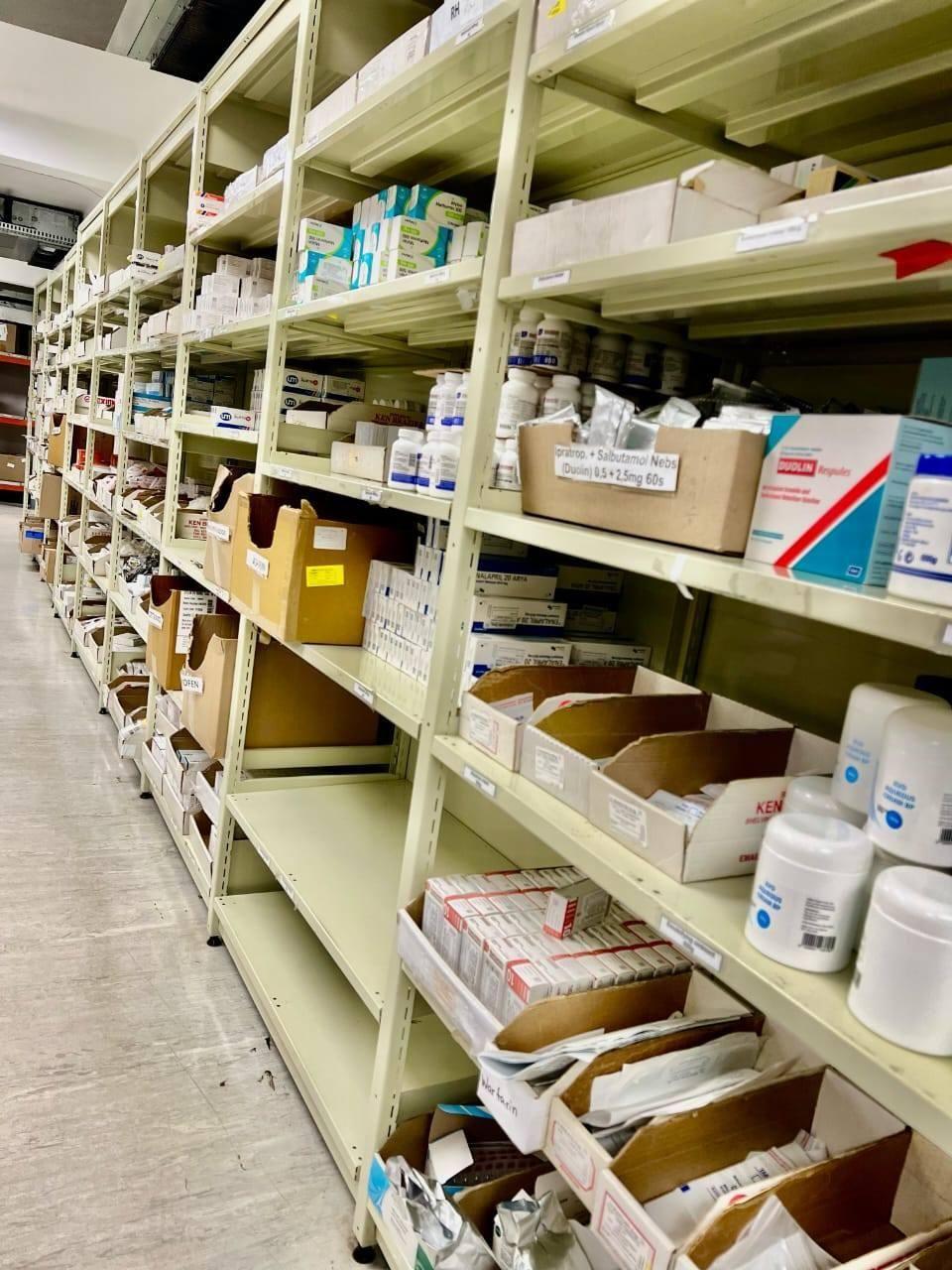
“South Africa’s public healthcare system is facing continuing medicine supply challenges, with provincial health departments reporting shortages affecting patients who depend on essential treatments for chronic and other medical conditions. The situation has raised concerns about manufacturing constraints, procurement problems, regulatory processes and distribution delays, prompting calls for stronger national intervention and improved coordination.”
South Africa Faces Growing Medicine Shortages as Hospitals and Clinics Struggle to Maintain Essential Drug Supplies
A developing healthcare crisis raises concerns about access to chronic medication, pharmaceutical manufacturing, medicine procurement and patient safety.
South Africa’s public healthcare system is facing growing pressure as medicine supply shortages continue affecting hospitals, clinics and patients who rely on essential treatments. The situation has become a significant healthcare concern, particularly for people living with chronic illnesses who require regular access to medication to manage their conditions and prevent serious complications.
Recent reports from the Western Cape, North West and Gauteng indicate that medicine availability remains a challenge in several parts of the country. Provincial health authorities have acknowledged interruptions in the supply of certain medicines, while political representatives are calling for stronger national intervention to address the problem.
The Democratic Alliance (DA) has called for Parliament’s health committee to investigate the shortages, warning that as many as 50 essential medicines could be affected. The party’s health spokesperson, Michele Clarke, identified several medicines reportedly experiencing supply difficulties, including amlodipine, rosuvastatin, metformin, olanzapine, pregabalin and mebendazole.
However, it is important to distinguish between political claims and officially confirmed information. The national Department of Health has not published a comprehensive official list confirming all 50 medicines identified by the DA. Nevertheless, provincial reports indicate that medicine supply difficulties are a genuine concern requiring attention.
Medicine shortages threaten patients with chronic illnesses
One of the most concerning consequences of medicine shortages is their potential impact on people managing long-term health conditions.
Chronic illnesses such as hypertension, diabetes, cardiovascular disease and certain mental health conditions often require consistent treatment. Patients depend on prescribed medicines to control symptoms, reduce complications and maintain their quality of life.
For example, amlodipine is commonly prescribed to manage high blood pressure and angina. When patients cannot obtain their prescribed treatment, their blood pressure may become poorly controlled, increasing the risk of serious cardiovascular complications.
Similarly, metformin is widely used to manage type 2 diabetes. Interruptions in diabetes treatment can make blood glucose management more difficult and increase the likelihood of complications.
Rosuvastatin is prescribed to help control cholesterol levels and reduce cardiovascular risks. Meanwhile, olanzapine is used in the treatment of certain psychiatric conditions, including schizophrenia and bipolar disorder.
Pregabalin is used for conditions such as nerve pain and certain seizure disorders, while mebendazole treats particular worm infections.
These medicines serve different medical purposes, but their importance demonstrates why reliable pharmaceutical supplies are essential to public healthcare.
When a prescribed medicine becomes unavailable, healthcare professionals may need to identify an appropriate alternative. However, substitutions must be clinically assessed because different medicines can have different dosages, interactions, side effects and treatment requirements.
Consequently, patients should never independently discontinue treatment or replace prescribed medication without consulting a qualified healthcare professional.
Western Cape raises concerns about national medicine distribution
The Western Cape has become one of the provinces publicly highlighting the difficulties associated with medicine availability.
Provincial Health and Wellness Minister Mireille Wenger has called for a coordinated national response, arguing that medicine supply challenges cannot be resolved through isolated provincial interventions.
The provincial government has previously raised concerns about medicine stock-outs and requested stronger coordination through national healthcare structures.
According to reporting published on 28 October, the province has identified several possible contributors, including manufacturing constraints, regulatory difficulties, supplier limitations, port delays, customs processes and the time required to test and release imported medicines.
The provincial government has also described measures intended to reduce the impact on patients.
These include monitoring medicine availability at the Cape Medical Depot, redistributing available stock between facilities, investigating alternative suppliers and supporting temporary imports where necessary.
However, moving medicines between facilities cannot provide a permanent solution when the underlying supply of pharmaceutical products remains inconsistent.
The province has therefore called for national government and industry stakeholders to work together to improve supply coordination and establish clearer timelines for resolving shortages.
Port delays create additional pressure on pharmaceutical supplies
Another important issue concerns the transportation of imported medicines into South Africa.
The Western Cape government has asked Transport Minister Barbara Creecy to investigate possible delays affecting medicine consignments at South African ports, particularly Durban harbour.
The concern is that logistical delays may extend the period between medicines arriving in the country and becoming available to public healthcare facilities.
Imported pharmaceutical products must undergo appropriate quality and safety checks before distribution. According to the provincial government, some testing processes can take approximately three to four weeks.
These procedures are essential because medicines must meet the required quality standards before patients receive them.
Nevertheless, the government believes unnecessary delays in transportation, customs processing and other logistical procedures should be addressed.
This creates a difficult balance for healthcare authorities. They must improve the speed of medicine distribution without compromising the safety and quality standards designed to protect patients.
A more efficient pharmaceutical supply chain could help reduce waiting periods, improve stock availability and strengthen the ability of public hospitals and clinics to maintain adequate medicine supplies.
The Western Cape’s request highlights the importance of cooperation between healthcare authorities, transport officials, port operators, pharmaceutical suppliers and regulatory institutions.
North West patients experience difficulties accessing treatment
The medicine shortage situation is also affecting communities in the North West province.
Reports from Madidi Clinic near Brits described patients experiencing difficulties obtaining prescribed medicines for several weeks.
One reported case involved Samuel Mogauwe, a 54-year-old resident who said he had not taken his blood pressure medication since September because purchasing it privately would cost more than R200.
His circumstances illustrate how medicine shortages can disproportionately affect unemployed people and low-income households.
Patients who cannot obtain their prescribed medicines through public healthcare facilities may face difficult choices. Purchasing treatment privately can create additional financial pressure, particularly for households already struggling with transport costs, food expenses and other basic needs.
The North West Department of Health acknowledged intermittent medicine shortages at certain facilities.
The department identified several possible causes, including disruptions in manufacturing, shortages of raw materials, transportation delays, increased international demand and changes to procurement contracts.
It also indicated that it was working with medical depots, suppliers and national authorities to identify alternative sources and redistribute available stock.
These developments demonstrate why medicine availability is not simply a procurement issue. It directly affects household finances, patient wellbeing and the ability of public healthcare facilities to provide consistent treatment.
Pharmaceutical manufacturing and regulatory challenges
South Africa’s medicine supply difficulties also raise important questions about the country’s pharmaceutical manufacturing capacity.
A reliable domestic pharmaceutical industry can help reduce dependence on international suppliers and strengthen the country’s ability to respond to global supply disruptions.
However, local manufacturers operate within a complicated environment involving production costs, regulatory requirements, procurement arrangements and medicine pricing policies.
The DA has reported concerns raised by some local manufacturers about regulatory processes and the single exit price system.
The single exit price is a regulated pricing mechanism applying to medicines sold in the private sector. It is important to note that claims about its contribution to production difficulties represent concerns raised by industry stakeholders and have not been established as the sole cause of shortages.
Other factors, including international manufacturing disruptions, supplier backlogs, raw material availability and procurement challenges, may also contribute.
South Africa therefore needs a balanced approach that protects patients from unaffordable medicines while ensuring pharmaceutical manufacturers can maintain sustainable production.
Strengthening local manufacturing could support employment, improve medicine security and reduce exposure to international supply disruptions.
However, expanding domestic production requires long-term investment, effective regulation, reliable procurement arrangements and cooperation between government and the private pharmaceutical sector.
Parliamentary intervention and accountability
The DA’s request for Parliament’s health committee to investigate the shortages reflects growing political pressure for greater accountability.
The party wants Health Minister Aaron Motsoaledi, the national Department of Health, the South African Health Products Regulatory Authority (SAHPRA), Pharmaceuticals Made in South Africa and the Pharmaceutical Society of South Africa to participate in discussions.
Such engagement could help clarify which medicines are affected, why supply disruptions are occurring and what corrective measures are being implemented.
A parliamentary investigation could also provide an opportunity to examine procurement arrangements, supplier performance, regulatory processes and the effectiveness of medicine distribution systems.
However, a parliamentary meeting alone will not solve the problem. Effective intervention will require measurable improvements, transparent reporting and regular monitoring.
Healthcare authorities should ideally provide updated information about affected medicines, expected delivery dates, alternative suppliers and the progress of corrective interventions.
Patients and healthcare professionals also need reliable communication so they can make informed decisions when particular medicines become unavailable.
Impact on public hospitals and healthcare professionals
Medicine shortages create additional pressure on public hospitals, clinics, pharmacists, nurses and doctors.
Healthcare professionals must manage patients who arrive expecting their regular prescriptions but discover that particular medicines are unavailable.
This can increase administrative workloads, complicate treatment decisions and create additional demands on already stretched healthcare facilities.
Pharmacists may need to investigate alternative products, verify appropriate dosages and explain changes to patients. Doctors and nurses may also need to review treatment plans when prescribed medicines cannot be obtained.
These challenges are particularly serious in facilities serving large populations with limited resources.
Furthermore, medicine shortages can undermine patients’ confidence in public healthcare services. When people repeatedly visit clinics without receiving their prescribed treatment, they may become frustrated or lose confidence in the healthcare system.
Improving medicine availability should therefore be treated as an important component of healthcare quality, patient safety and public trust.
What patients should do when medicines are unavailable
Healthcare authorities have advised patients not to stop taking prescribed medication or change their treatment without first consulting a healthcare professional.
Patients who discover that their usual medicines are unavailable should speak to a pharmacist, nurse or doctor about suitable alternatives.
In some circumstances, an approved alternative manufacturer, different pack size or clinically appropriate replacement may be available.
Patients should also confirm the medicine’s name, strength and dosage before taking an alternative product.
This is particularly important when tablets look different from previous prescriptions. A change in colour, shape or packaging does not automatically mean the medicine is incorrect, but patients should ask healthcare professionals to confirm that the replacement is appropriate.
People who cannot obtain their medication should report the problem to the healthcare facility and ask about the expected availability of supplies.
Most importantly, patients should not attempt to solve medicine shortages by purchasing unverified products or sharing prescriptions with other people.
The importance of stronger medicine supply management
South Africa needs a more resilient pharmaceutical supply system capable of responding to manufacturing disruptions, international transportation challenges and changes in demand.
One important priority is improving communication between national and provincial health departments.
A coordinated national medicine monitoring system could help authorities identify shortages earlier and redistribute available stock before individual facilities run out.
Better forecasting could also help procurement officials anticipate demand for medicines used to treat common chronic illnesses.
Furthermore, healthcare authorities should strengthen relationships with reliable suppliers and explore opportunities to increase local pharmaceutical production.
Improved port operations, efficient customs procedures and timely quality testing could also contribute to more predictable medicine distribution.
However, these interventions must maintain strict pharmaceutical safety standards.
The objective should not simply be to move medicines faster. It should be to ensure that patients receive safe, effective and appropriately regulated treatment when they need it.
Outlook: A critical test for South Africa’s healthcare system
The continuing medicine supply difficulties present an important test for South Africa’s public healthcare system.
The experiences reported in the Western Cape, North West and Gauteng demonstrate that supply disruptions can affect patients across different provinces and healthcare facilities.
Although provincial departments have introduced temporary measures, long-term improvements will require cooperation between national government, provincial authorities, pharmaceutical manufacturers, regulators and suppliers.
The immediate priority must be protecting patients who depend on essential medicines, particularly those managing chronic illnesses and other conditions requiring continuous treatment.
Government must also improve transparency around medicine shortages, communicate clearly about alternative treatments and ensure that procurement problems are addressed.
The pharmaceutical industry, meanwhile, has an important role in maintaining reliable production, identifying supply risks and working with regulators to strengthen medicine availability.
Ultimately, access to essential medicines is fundamental to effective healthcare delivery. Patients should not have to repeatedly worry about whether their prescribed treatment will be available at their next clinic appointment.
South Africa’s response to the current situation will demonstrate whether the country can strengthen its pharmaceutical supply chain, protect vulnerable communities and ensure that public healthcare facilities remain capable of delivering consistent medical treatment.
The coming weeks will therefore be important in determining whether national coordination and provincial interventions can translate into meaningful improvements in medicine availability.
For millions of South Africans who depend on public healthcare services, reliable access to essential medication is not merely an administrative concern. It is a matter of health, dignity and quality of life.



