




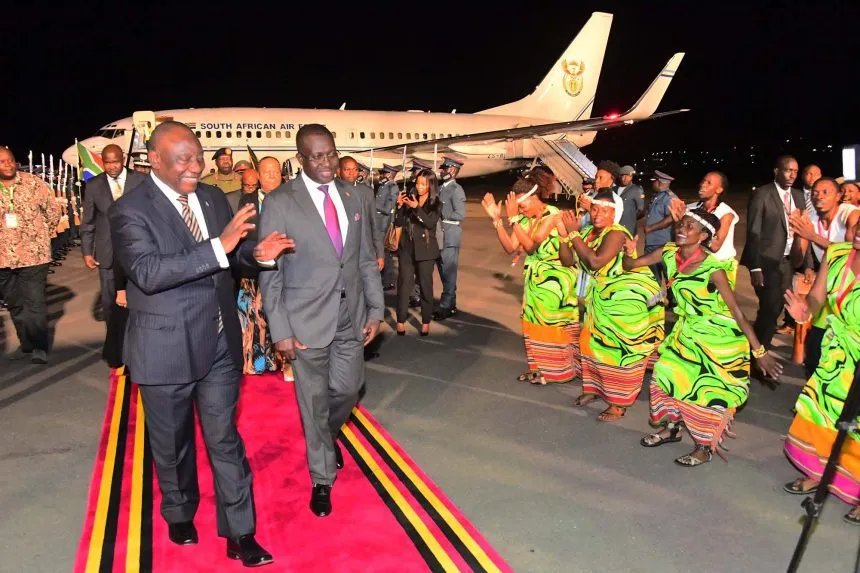
“President Cyril Ramaphosa is set to undertake a working visit to Paris from July 10–12, 2026, focusing on African Union solidarity, trade, and cooperation with France. The visit underscores South Africa’s strategic effort to deepen its role in global diplomacy while balancing African priorities with European partnerships.”
South Africa’s international relations agenda has taken a decisive turn this week as President Cyril Ramaphosa prepares for a working visit to Paris, France. Scheduled for July 10–12, 2026, the trip is not merely ceremonial; it represents a calculated diplomatic effort to strengthen South Africa’s ties with Europe, reinforce African Union solidarity, and position the country as a key interlocutor between Africa and global powers.
Context of the Visit
Ramaphosa’s Paris engagement comes at a time when Africa faces pressing challenges: economic recovery post-pandemic, climate change adaptation, and geopolitical instability in regions such as Madagascar and the Democratic Republic of Congo. As the African Union Champion for Pandemic Preparedness, Prevention, and Response (PPPR), Ramaphosa has been actively involved in continental solidarity missions, including his recent visit to Kinshasa.
France, meanwhile, has been recalibrating its Africa policy, seeking to maintain influence while responding to criticism of neo-colonial tendencies. The Paris visit offers Ramaphosa a platform to negotiate mutually beneficial trade, investment, and security cooperation.
Strategic Objectives
- Trade and Investment South Africa aims to expand access to European markets, particularly in renewable energy, mining, and agriculture. France’s interest in African green energy projects aligns with Pretoria’s push for sustainable development.
- African Union Solidarity Ramaphosa will emphasize Africa’s collective voice in global governance, advocating for reforms in multilateral institutions such as the UN Security Council and World Trade Organization.
- Security Cooperation With instability in parts of Southern Africa, discussions are expected to cover regional peacekeeping, counter-terrorism, and migration governance.
Diplomatic Significance
This visit is strategically timed ahead of Nelson Mandela Day (July 18), symbolizing South Africa’s commitment to global justice and human rights. It also follows Ramaphosa’s participation in the SADC Extraordinary Summit on Madagascar, where he played a pivotal role in shaping regional security decisions.
By engaging France, South Africa signals its intent to balance BRICS partnerships with Western alliances, ensuring diversified diplomatic leverage.
Domestic Implications
Back home, Ramaphosa’s foreign policy is under scrutiny. Critics argue that international engagements must translate into tangible domestic benefits, such as job creation and investment inflows. Supporters, however, view the Paris trip as a necessary step to reassert South Africa’s global relevance.
Expert Perspectives
- South African Institute of International Affairs (SAIIA) analysts note that the visit could redefine South Africa’s EU relations, especially in trade negotiations.
- Polity.org.za commentators highlight the importance of addressing anti-migrant tensions domestically while advocating for fair migration policies internationally.
Risks and Challenges
- Geopolitical balancing act: South Africa must avoid alienating BRICS partners while deepening EU ties.
- Domestic skepticism: Citizens demand that foreign policy yield concrete socio-economic improvements.
- Global competition: Other African states are also vying for stronger EU partnerships, making South Africa’s positioning crucial.
Conclusion
President Ramaphosa’s Paris visit is more than a diplomatic courtesy—it is a strategic maneuver to elevate South Africa’s role in global politics. By aligning African Union priorities with European cooperation, Ramaphosa seeks to ensure that South Africa remains a central player in shaping the continent’s future and its place in the world order.



