




“South Africa’s wellness landscape in 2026 is moving beyond generic fitness and diet fads, embracing science-backed longevity clinics, personalized nutrition, and psychological fitness programs. These innovations mark a decisive shift toward proactive “well-care,” aiming to extend the nation’s healthspan and resilience in a high-stress environment.”
South Africa’s wellness industry is undergoing a profound transformation in 2026, with new approaches that prioritize healthspan—the number of years lived in peak condition—over mere lifespan. This shift reflects a growing demand for proactive, personalized, and holistic health solutions that combine advanced technology, local nutrition, and mental resilience training.
Longevity Clinics: Extending Healthspan
- AI-powered screenings: Clinics in Cape Town and Johannesburg now offer biological age testing, NAD+ drips, and peptide therapies.
- Preventive focus: Instead of waiting for illness, these centers identify cellular decline before symptoms appear.
- Economic impact: The rise of longevity clinics is creating new jobs in biotech and wellness, while also raising questions about accessibility for lower-income communities.
Bio-Harmony Nutrition: Data-Driven Eating
- Wearable integration: Devices track glucose and metabolic readiness in real-time, suggesting meals tailored to the body’s immediate needs.
- Local superfoods: Rooibos, baobab, and marula are central to these diets, supporting gut health and reducing inflammation.
- Cultural resonance: By blending indigenous foods with modern science, bio-harmony nutrition strengthens South Africa’s identity while promoting healthier lifestyles.
Mind Gyms: Psychological Fitness
- Neurofeedback and breathwork: These high-tech spaces train focus, emotional regulation, and resilience.
- Mental health shift: Treating psychological fitness as a proactive skill rather than crisis management is reducing stigma around mental health.
- Urban adoption: Johannesburg professionals are increasingly joining mind gyms to cope with high-stress work environments.
Broader Wellness Trends
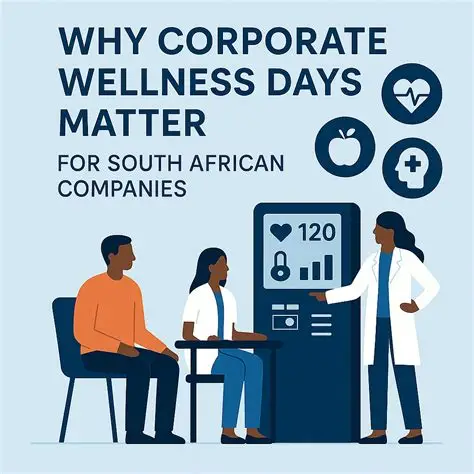
- Corporate wellness programs: Companies are investing in employee health days, recognizing the link between wellness and productivity.
- Community outreach: Wellness initiatives are expanding into townships, though disparities remain in access to advanced services.
- Policy implications: The Department of Health is monitoring these trends, considering how they align with national health priorities.
Challenges and Risks
- Accessibility gap: Advanced therapies remain costly, potentially widening inequality.
- Data privacy: Wearables raise concerns about how personal health data is stored and used.
- Cultural adaptation: While bio-harmony nutrition integrates local foods, some communities remain skeptical of tech-driven diets.
Conclusion
South Africa’s wellness revolution in 2026 represents a bold reimagining of health. By combining longevity science, personalized nutrition, and psychological fitness, the country is setting a new standard for proactive well-being. Yet, the challenge remains to ensure these innovations are inclusive, affordable, and culturally sensitive, so that the promise of extended healthspan benefits all South Africans.



