




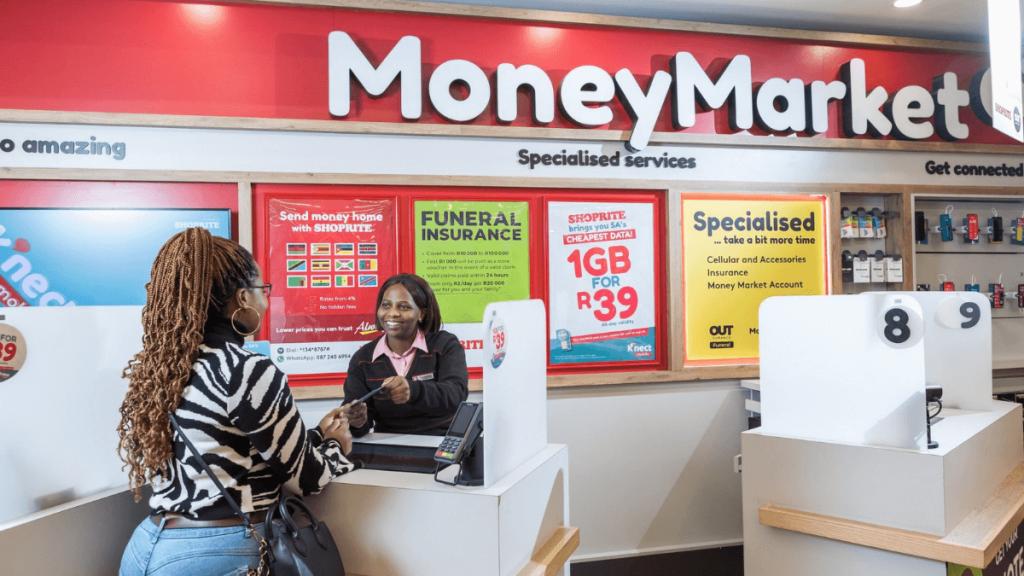
“South Africa’s Shoprite Holdings has agreed in principle to partner with Investec to expand its financial services business, including introducing a debit card and strengthening its transactional banking offering. The proposed alliance, which requires regulatory approval, could reshape competition in retail banking by combining Shoprite’s extensive retail distribution network with Investec’s banking infrastructure and regulatory capabilities.”
Shoprite and Investec Partnership Could Reshape South Africa’s Retail Banking Landscape
South Africa’s financial services sector is entering a significant new phase following an agreement in principle between Shoprite Holdings and Investec to expand retail banking services, including the introduction of a debit card. Announced on 9 November 2026, the proposed partnership represents an important development in the country’s business policy environment, particularly regarding competition, financial inclusion, innovation and the changing relationship between traditional banks and retailers.
The agreement, which remains subject to regulatory approval, will enable Shoprite Financial Services to expand its transactional banking offering while relying on Investec’s banking licence, infrastructure, regulatory expertise and financial resources. The arrangement could strengthen competition in South Africa’s financial services market while providing millions of customers with additional banking options.
A Strategic Partnership With Significant Policy Implications
The proposed alliance brings together two major businesses with complementary strengths. Shoprite operates an extensive retail network across South Africa, serving millions of customers through supermarkets, discount stores and digital platforms. Investec, meanwhile, provides established banking infrastructure and financial expertise.
Under the proposed arrangement, Shoprite Financial Services will manage the customer-facing banking experience through its retail brands, physical stores and digital channels. Investec will provide the banking infrastructure, balance sheet capabilities, regulatory framework and banking licence required to support the expanded transactional account.
Consequently, Shoprite can develop its financial services business without establishing an independent bank. Investec, on the other hand, gains access to a wider customer base and additional opportunities within the retail deposits and payments markets.
According to Reuters, the partnership is non-exclusive and will not disrupt Shoprite’s existing relationships with other banks, payment providers or financial services partners. The companies are also exploring additional opportunities beyond the initial agreement.
Banking Competition Continues to Intensify
The Shoprite-Investec partnership arrives as South Africa’s financial services industry experiences increasing competition from retailers, insurers, telecommunications companies and digital banking providers.
Traditional banks are no longer the only businesses seeking to provide everyday financial services. Instead, companies with established customer relationships and extensive distribution networks are increasingly entering the market through partnerships and specialised financial platforms.
Retailers possess several competitive advantages. They operate physical locations that customers visit regularly, maintain established loyalty programmes and offer digital platforms that can support financial transactions. These advantages can reduce the costs associated with customer acquisition and improve access to financial services.
Shoprite’s nationwide retail presence provides an especially significant advantage. Its stores are accessible to customers in major cities, smaller towns and numerous communities where traditional banking infrastructure may be less convenient.
The proposed partnership could therefore strengthen the retailer’s ability to offer banking services to customers who already use its stores for groceries, household purchases and other essential services.
Financial Inclusion and Consumer Benefits
Financial inclusion remains an important consideration within South Africa’s economic development strategy. Access to affordable banking services can improve household financial management, support small businesses and reduce dependence on cash transactions.
The expanded Shoprite transactional account is expected to introduce a debit card and provide customers with additional payment flexibility, improved security and access to digital payment services.
For consumers, these developments could simplify everyday financial activities. Customers may increasingly be able to combine shopping, deposits, withdrawals and electronic payments through a familiar retail environment.
However, affordability will remain essential. The success of the initiative will depend partly on transparent fees, accessible customer support, reliable transaction systems and effective protection against financial fraud.
Consumers will also need clear information about account conditions, transaction limits, charges and dispute-resolution procedures.
Regulatory Approval and Financial Governance
Although the partnership has been agreed in principle, regulatory approval remains necessary before the expanded banking offering can proceed.
South Africa’s financial services regulatory framework requires institutions participating in banking activities to comply with relevant licensing, supervision, consumer protection and financial stability requirements.
The proposed alliance illustrates how regulatory policy can support innovation while maintaining appropriate safeguards.
Investec’s role as banking sponsor means that the partnership will rely on established banking infrastructure and regulatory capabilities. Nevertheless, the precise operational responsibilities of each participant, including customer service, complaints management, data protection and financial crime controls, will remain important considerations.
Effective oversight will help ensure that customers understand which institution provides specific services and where responsibility lies when problems arise.
Furthermore, regulatory authorities will need to consider how the arrangement interacts with existing rules governing payments, deposits, customer identification and financial reporting.
South Africa’s Payments Modernisation Programme
The partnership also reflects broader developments in South Africa’s payments policy.
The South African Reserve Bank has been pursuing reforms intended to modernise the country’s payments ecosystem, increase competition and reduce transaction costs.
In October 2026, Reuters reported that South Africa planned to open its national payments infrastructure to non-bank operators, including retailers, telecommunications companies and fintech businesses, from mid-2027.
The reform is intended to reduce banks’ longstanding dominance of payment processing and enable licensed non-bank participants to connect more directly to national payment infrastructure.
The initiative forms part of the Reserve Bank’s Payments Ecosystem Modernisation programme, which aims to improve digital payments, strengthen security and broaden financial access.
Shoprite’s partnership with Investec is consistent with this broader direction. Retailers can increasingly participate in financial services while licensed institutions provide the underlying banking capabilities.
Together, these developments could encourage greater innovation and competition across the financial services industry.
Opportunities for Small Businesses and Informal Traders
The potential benefits extend beyond individual consumers.
Small businesses and informal traders depend on affordable payment systems, reliable banking services and convenient access to financial transactions.
South Africa’s small business sector frequently faces challenges involving transaction costs, cash management, payment delays and access to appropriate financial products.
Retail-linked financial services could potentially provide additional channels for businesses to manage payments and interact with customers.
Shoprite has also expanded its involvement in payment technology through investments in businesses serving informal traders. These developments could strengthen the retailer’s position within South Africa’s broader payments ecosystem.
However, the extent to which small businesses benefit will depend on the services eventually introduced, their pricing and the accessibility of the technology.
Competition, Consumer Choice and Market Transformation
The increasing convergence between retail and banking raises important questions about competition policy.
On one hand, partnerships between established retailers and licensed banks can create new competitive pressure. Customers may gain access to more convenient services, while financial institutions may need to improve pricing, innovation and customer experience.
On the other hand, large retailers possess substantial customer reach and transaction information. Policymakers must therefore ensure that competition remains fair and that consumer information is protected.
Data governance will become particularly important as financial services increasingly integrate with retail loyalty programmes and digital platforms.
Consumers should retain meaningful control over their personal information, while businesses must comply with applicable privacy and financial regulations.
Competition authorities and financial regulators will consequently remain important in monitoring how partnerships affect market access, consumer choice and competitive behaviour.
Strategic Benefits for Investec
For Investec, the proposed partnership represents an opportunity to expand its participation in South Africa’s financial services market without abandoning its established strategic focus.
The bank can leverage its existing infrastructure to serve a broader customer segment through Shoprite’s distribution network.
This arrangement could also provide opportunities to increase retail deposits and participate more actively in payment services.
Investec Group Chief Executive Fani Titi has indicated that the partnership will enable the institution to access new markets while scaling its existing capabilities.
The alliance therefore offers potential benefits through distribution, customer acquisition and additional participation in South Africa’s evolving payments ecosystem.
What the Partnership Means for Business Policy
The Shoprite-Investec agreement demonstrates how South Africa’s business environment is increasingly shaped by collaboration between established companies operating in different sectors.
Rather than requiring every retailer to establish a bank independently, alliance banking arrangements can enable companies to expand services through partnerships with licensed financial institutions.
This approach may encourage investment, improve service delivery and reduce barriers to innovation.
Nevertheless, the benefits will depend on effective implementation, regulatory certainty and strong consumer safeguards.
Policymakers must continue balancing innovation with financial stability, competition and customer protection.
Outlook for South Africa’s Financial Services Industry
The proposed partnership could become an important example of how retail distribution and banking infrastructure can combine to create new financial services.
As digital payments expand and competition intensifies, South African consumers are likely to encounter an increasingly diverse range of financial service providers.
Retailers, banks, insurers and fintech businesses may continue developing partnerships that provide customers with more convenient access to transactions and payment solutions.
For policymakers, the challenge will be to maintain a regulatory environment that supports innovation while ensuring responsible business practices.
Ultimately, the Shoprite-Investec alliance highlights a broader transformation in South Africa’s business policy landscape. The future of financial services may increasingly depend on cooperation between traditional institutions and innovative businesses capable of reaching customers through established commercial networks.
If implemented successfully, the partnership could contribute to greater consumer choice, improved financial accessibility and stronger competition within South Africa’s banking and payments markets.