




South African Rand Strengthens as Softer Oil Prices Ease Inflation Concerns and Coalition Talks Shape Market Sentiment
South Africa’s financial markets entered Monday, 9 November 2026, with renewed attention on currency movements, international oil prices and the country’s changing political environment. The rand strengthened during early trading as softer oil prices helped ease inflation concerns, while investors continued assessing the implications of municipal election results and coalition negotiations for the country’s economic outlook.
The currency’s movement reflects the interaction between international economic developments and domestic political expectations. For South Africa, which relies significantly on imported fuel, movements in global oil prices can influence inflation, transportation costs, business expenses and household purchasing power. Consequently, changes in oil prices frequently become important considerations for investors evaluating the rand and the country’s broader financial stability.
According to Reuters, the rand’s early-session improvement on Monday was supported by lower oil prices and reduced inflation concerns. Investors were simultaneously examining the political consequences of the municipal elections and the negotiations expected to shape governance across several municipalities.
Softer oil prices provide support for the rand
International oil prices remain an important factor influencing South Africa’s economic performance. Because the country imports much of its petroleum requirements, higher global crude prices can increase domestic fuel costs, place pressure on transportation businesses and contribute to broader inflation.
When oil prices decline, the potential economic benefits extend beyond motorists. Businesses operating logistics networks, agricultural operations, manufacturing facilities and distribution systems may experience reduced operating costs if lower international prices eventually translate into cheaper domestic fuel.
The relationship between oil prices and the rand is nevertheless complex. A reduction in crude prices can improve South Africa’s import bill and ease inflationary pressures, but currency movements also depend on international interest rates, investor confidence, commodity markets and the relative performance of emerging-market currencies.
For investors, the combination of softer oil prices and a stronger rand can therefore provide a potentially supportive environment, particularly when inflation expectations improve.
However, the benefits are not automatic. Domestic fuel prices are affected by exchange-rate movements, international petroleum benchmarks, taxes, levies and regulated pricing mechanisms. Consequently, sustained reductions in international oil prices would generally be more beneficial than short-lived movements.
Inflation remains central to financial market expectations
Inflation continues to influence decisions made by households, businesses, investors and monetary policymakers.
South Africa’s September 2026 consumer inflation increased to 4.5% year-on-year, compared with 4.4% in August, according to previously reported economic data. Transport inflation accelerated significantly, reflecting the importance of fuel costs in the country’s inflation environment.
These developments have reinforced the importance of monitoring energy prices and their implications for future inflation.
Higher inflation reduces purchasing power, increases business expenses and can influence interest-rate expectations. For households, the effects are particularly visible through transportation, food distribution, electricity-related expenses and other essential services.
Businesses may respond to higher operating costs by adjusting prices, reducing investment expenditure or reconsidering expansion plans. These decisions can affect employment, consumption and economic growth.
For the South African Reserve Bank, inflation developments remain important when determining monetary policy. Interest-rate decisions influence borrowing costs, household debt repayments, corporate financing and investment activity.
Lower oil prices could help moderate some inflationary pressures. Nevertheless, policymakers must consider whether the improvement is sustainable and whether other price pressures remain elevated.
Investors will consequently continue monitoring inflation data, fuel prices and monetary policy announcements for indications of how financial conditions may evolve.
Municipal elections introduce a new political dimension
The country’s municipal elections have become another important consideration for financial markets.
Political developments influence investor expectations because municipalities are responsible for delivering essential services, maintaining infrastructure, collecting revenue and supporting local economic activity.
The latest election results have introduced significant changes in political representation across several municipalities. Coalition negotiations are therefore expected to determine how local governments are constituted and how political parties cooperate in administering major urban centres.
Investors are particularly interested in whether political negotiations produce stable governing arrangements capable of supporting consistent economic policies and reliable municipal administration.
Johannesburg, Cape Town, Tshwane, Ekurhuleni and other metropolitan areas remain important economic centres, supporting businesses across finance, manufacturing, transport, retail, technology and professional services.
Changes in municipal leadership can influence decisions concerning infrastructure investment, electricity distribution, water services, property development, business regulation and municipal financial management.
The financial implications of these decisions may extend beyond local government budgets.
Businesses operating in metropolitan areas depend on functioning infrastructure, predictable administrative procedures and reliable municipal services. Any improvement in these areas could strengthen business confidence and support investment.
Conversely, prolonged political uncertainty or administrative instability could increase operational risks and discourage investment.
Coalition negotiations and investor confidence
Coalition negotiations are attracting attention because investors generally value political stability and policy predictability.
When political parties negotiate governing arrangements, markets assess the potential consequences for public administration, infrastructure development, economic reform and fiscal management.
The outcome of these negotiations could influence expectations concerning municipal budgets, service delivery priorities and investment programmes.
Stable coalitions may provide opportunities for cooperation across political parties and improve the implementation of economic initiatives. However, coalition governments can also experience disagreements concerning policy priorities, budget allocations and administrative appointments.
The important consideration for investors is therefore not simply which political party controls a municipality, but whether the resulting administration can maintain effective governance and deliver essential services.
Financial markets often respond to expectations before economic improvements become visible. Consequently, developments in coalition negotiations may influence investor sentiment even before new municipal policies are implemented.
South Africa’s financial outlook will depend partly on whether political changes translate into stronger administrative performance and more predictable operating conditions for businesses.
The Johannesburg Stock Exchange and domestic investment
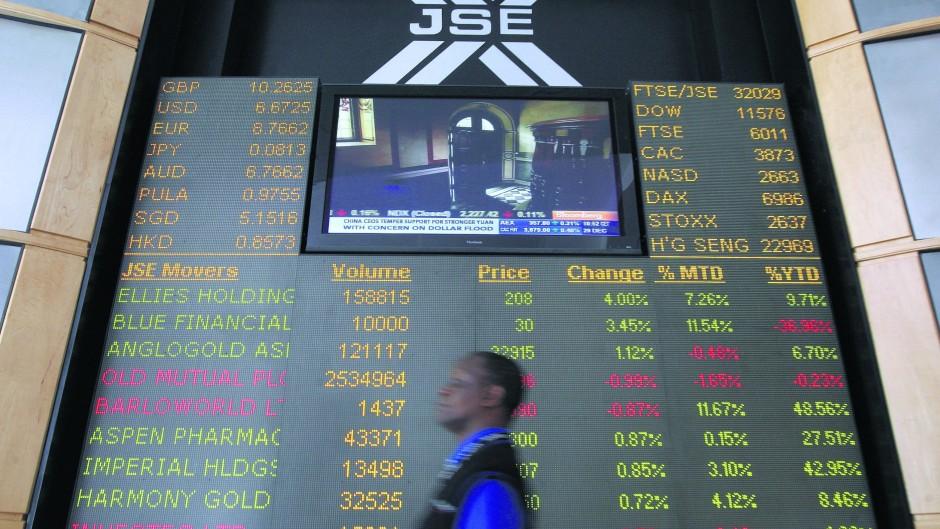
The Johannesburg Stock Exchange remains an important indicator of investor confidence in South Africa’s financial environment.
Equity markets respond to numerous influences, including corporate earnings, interest-rate expectations, exchange-rate movements, international market conditions and political developments.
A stronger rand can have different implications for listed companies. Businesses importing equipment, technology, consumer products or industrial inputs may benefit from reduced rand-denominated costs when the currency appreciates.
However, companies generating substantial revenue from international markets may experience lower rand-converted earnings when the domestic currency strengthens.
Export-oriented businesses, particularly those operating in mining and other internationally traded sectors, can therefore face different financial consequences from companies primarily serving domestic consumers.
The overall effect on the JSE depends on the composition of market movements and the financial performance of individual companies.
Investors should consequently avoid interpreting currency appreciation as automatically positive for every listed business.
Instead, exchange-rate developments should be evaluated alongside corporate earnings, operating expenses, international commodity prices and expectations concerning economic growth.
Banking, borrowing costs and financial conditions
South Africa’s banking sector also remains closely connected to currency developments and monetary policy.
Interest rates influence the cost of borrowing for households, businesses and government. When borrowing costs remain elevated, consumers may reduce discretionary spending, while companies may postpone investment decisions or expansion programmes.
Banks, meanwhile, evaluate lending opportunities against credit risks, funding costs and expected economic conditions.
A stronger economic environment could improve borrowers’ ability to service loans, potentially supporting financial-sector performance. However, sustained pressure on household finances and business profitability can increase credit risks.
The interaction between inflation, interest rates and currency movements therefore remains important for financial institutions.
Investors will continue examining monetary policy expectations, banking-sector results and economic indicators to assess the direction of South Africa’s financial conditions.
Global markets remain an important influence
South Africa’s financial markets do not operate independently of international developments.
Movements in the US dollar, global interest rates, international oil prices and investor appetite for emerging-market assets can influence the rand.
When international investors become more cautious, emerging-market currencies may experience pressure as capital moves towards assets perceived as safer.
Conversely, improving international risk sentiment can support investment flows into emerging markets.
Oil prices also influence the global inflation outlook and expectations concerning interest rates in major economies.
For South Africa, these developments create an environment in which domestic political stability and economic performance interact with international financial conditions.
The rand’s movement on Monday should therefore be interpreted as part of a broader financial picture rather than an isolated development.
Implications for households and businesses
The currency’s strengthening could provide potential benefits for South African consumers and businesses if it proves sustained.
Imported goods, machinery, electronics and certain production inputs may become relatively cheaper when the rand appreciates, assuming other costs remain unchanged.
Businesses that depend on imported materials could experience improved cost conditions, potentially supporting profitability or reducing pressure to increase prices.
Consumers may also benefit indirectly if lower import costs are passed through to retail prices.
However, exchange-rate movements do not immediately translate into cheaper goods. Companies often purchase inventory in advance, operate under existing contracts and face other expenses that influence pricing decisions.
Households should therefore distinguish between short-term currency changes and sustained improvements in purchasing power.
Businesses, meanwhile, should consider exchange-rate exposure when preparing budgets, evaluating investment projects and managing imported input costs.
Outlook: Currency stability and economic confidence
South Africa’s financial outlook will depend on several interconnected developments during the coming weeks.
Investors will monitor international oil prices, inflation developments, monetary policy expectations and the progression of municipal coalition negotiations.
The country’s ability to maintain political stability and improve municipal governance will also remain important for business confidence.
A sustained improvement in local administration, infrastructure reliability and service delivery could strengthen economic prospects and encourage private-sector investment.
At the same time, international market volatility and inflationary pressures remain potential challenges.
The rand’s early Monday improvement provides an encouraging development, but financial markets will require continued evidence of economic stability before stronger currency performance can be interpreted as a durable trend.
Ultimately, South Africa’s financial performance will depend on the combined influence of domestic governance, international economic conditions, monetary policy and private-sector confidence.
Conclusion
South Africa’s stronger rand on 9 November 2026 highlights the importance of international oil prices and domestic political developments in shaping financial markets. Softer oil prices have helped ease inflation concerns, while municipal election results and coalition negotiations remain important considerations for investors.
The immediate currency improvement provides potential benefits for importers and consumers, although its sustainability will depend on broader economic conditions.
For businesses, households and investors, the central message is that currency movements should be evaluated alongside inflation, interest rates, political stability and economic fundamentals.
Source attribution: This article expands the Reuters report into an integrated financial analysis. The discussion of broader economic implications is explanatory analysis rather than additional independently reported events.



