




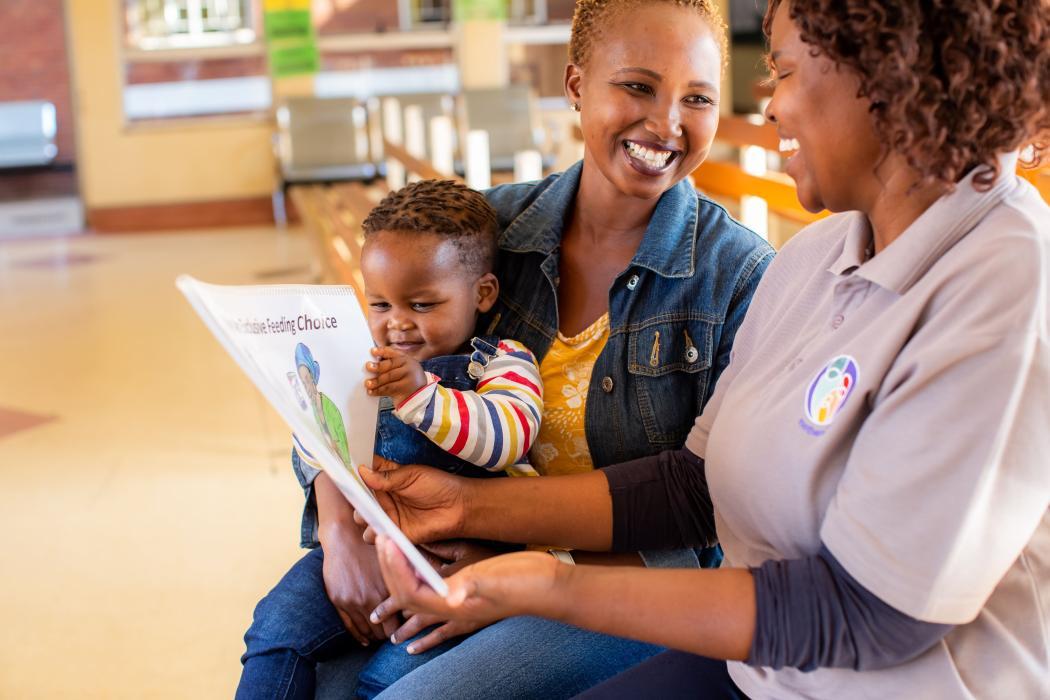
“South Africa has allocated R1.6 billion over three years to strengthen maternal and child nutrition services, with particular emphasis on pregnancy and the first 1,000 days of a child’s life. The funding is intended to reduce childhood stunting and malnutrition, although questions remain about implementation, provincial allocations and how the government will measure progress.”
South Africa Allocates R1.6 Billion to Fight Child Stunting, Prioritising Pregnancy and Early Childhood Nutrition
South Africa has committed R1.6 billion over three years towards tackling childhood stunting and malnutrition, marking an important development in the country’s efforts to improve maternal and child health. The funding, announced by Finance Minister Enoch Godongwana during the 2026 Medium-Term Budget Policy Statement, is intended to strengthen nutritional support before birth and during the first 1,000 days of a child’s life.
The allocation represents a significant policy shift towards recognising that childhood nutritional challenges begin during pregnancy and require early intervention. However, health advocates have welcomed the investment while emphasising that its effectiveness will depend on implementation, adequate funding and the ability to reach vulnerable families.
Government Prioritises Nutrition During the First 1,000 Days
The R1.6 billion allocation is designed to strengthen nutrition interventions during pregnancy, infancy and early childhood. The first 1,000 days, calculated from conception until a child’s second birthday, are widely recognised as a critical period for physical growth, brain development and long-term health.
During this period, children require adequate energy, protein, vitamins and minerals to support healthy development. Nutritional deficiencies, insufficient food intake and repeated infections can interfere with growth and contribute to lasting developmental challenges.
Finance Minister Enoch Godongwana acknowledged the importance of addressing childhood malnutrition during the budget announcement.
The government intends to direct the funding towards provincial health departments through the District Health Programmes Grant. The money is expected to strengthen nutritional services at primary healthcare facilities, including micronutrient supplementation for pregnant women, breastfeeding mothers and young children.
Although the allocation provides additional financial support, the government has not yet released a comprehensive breakdown explaining precisely how the funding will be distributed among provinces or individual programmes.
Childhood Stunting Remains a Serious Public Health Challenge
Childhood stunting continues to represent a significant nutritional challenge in South Africa.
Stunting occurs when children experience impaired growth because of prolonged nutritional deficiencies, repeated infections and other adverse conditions affecting their development. It is generally identified when a child’s height or length is substantially below the expected level for their age.
According to figures cited by President Cyril Ramaphosa earlier in 2026, more than one-quarter of South African children under five are affected by stunting.
The president described the situation as a national crisis and pledged to intensify efforts to eliminate childhood stunting by 2030.
The consequences extend beyond physical height. Poor nutrition during early childhood can interfere with cognitive development, educational performance and long-term health outcomes.
Children experiencing prolonged nutritional deficiencies may face difficulties developing their full learning potential. Furthermore, nutritional challenges during pregnancy can contribute to low birth weight, increasing vulnerability during infancy.
Consequently, health specialists and child development organisations increasingly emphasise preventive interventions rather than waiting until nutritional problems become severe.
Why Nutrition Support During Pregnancy Matters
One of the most important aspects of the new allocation is its explicit focus on pregnancy.
Previously, many nutritional interventions concentrated primarily on children after birth. However, evidence increasingly demonstrates that nutritional conditions during pregnancy influence fetal development, birth weight and subsequent childhood growth.
Pregnant women require adequate nutritional intake to support their own health and the development of their babies. Iron, folic acid and other essential micronutrients contribute to healthy pregnancies, while sufficient energy and protein support maternal wellbeing and fetal growth.
Women experiencing food insecurity may struggle to obtain adequate nutritious food, particularly when household incomes are insufficient to cover essential living expenses.
The government intends to strengthen nutritional services through primary healthcare facilities, potentially improving access to supplementation and nutritional support for vulnerable pregnant women.
Nevertheless, access to nutritious food remains essential. Supplements cannot independently compensate for persistent household food shortages or inadequate dietary intake.
For this reason, nutrition programmes need to work alongside broader interventions addressing poverty, food insecurity and access to healthcare.
Health Facilities Expected to Play a Central Role
Provincial health departments are expected to implement the funded interventions through existing primary healthcare systems.
Clinics provide an important opportunity to identify nutritional risks early, monitor maternal health and assess children’s growth.
During antenatal visits, healthcare workers can monitor pregnancy progress, provide appropriate supplements and advise women about dietary requirements.
Following birth, healthcare facilities can support breastfeeding, introduce appropriate complementary feeding guidance and monitor children’s growth.
Growth monitoring is particularly important because stunting may not be immediately visible. A child can appear relatively healthy while experiencing inadequate growth over time.
Regular measurements of weight and height, together with professional assessment, can help identify children requiring additional support.
However, the effectiveness of these services depends on adequate staffing, supplies, equipment and access to facilities.
Rural communities and economically disadvantaged households may face additional barriers, including transportation costs, long distances to clinics and limited access to nutritious foods.
Nutrition Advocates Welcome the Allocation but Warn Against Underfunding
The announcement has received support from organisations working to improve maternal and child nutrition.
David Harrison, chief executive of the DG Murray Trust, welcomed the allocation while cautioning that the amount remains insufficient compared with the scale of the challenge.
He described the funding as an important initial step towards a broader strategy addressing childhood stunting.
The organisation has advocated for improved maternal nutrition and financial support for pregnant women experiencing poverty.
Harrison has also highlighted the importance of interventions targeting pregnant women at risk of delivering babies with low birth weight.
Such interventions could help prevent nutritional problems before children enter infancy.
The DG Murray Trust has indicated plans to mobilise private donors in an effort to match the government’s allocation, potentially increasing resources available for nutrition programmes.
However, additional funding from private organisations would need to complement public services rather than replace the government’s responsibility to provide sustainable healthcare and nutritional support.
Questions Remain About Implementation and Accountability
Despite the announcement, several important questions remain unresolved.
National Treasury and the Department of Health have not yet provided a detailed explanation of how the R1.6 billion will be divided among provinces.
It is also unclear whether the funding will primarily expand existing nutritional services or introduce new interventions.
Furthermore, authorities have not fully explained which indicators will be used to determine whether the investment is reducing childhood stunting.
Effective monitoring will be essential to ensure that the funding produces measurable improvements in maternal and child health.
Potential indicators include the availability of nutritional supplements, access to antenatal services, birth weight, child growth measurements and the prevalence of stunting.
Transparent reporting could help identify provinces experiencing implementation difficulties and allow government departments to adjust programmes where necessary.
The absence of a maternal support grant is another concern raised by nutrition advocates.
Although the funding supports health services, it does not introduce a dedicated pregnancy-related financial grant for vulnerable women.
Advocates argue that additional financial assistance during pregnancy could improve household food security and enable women to access nutritious meals more consistently.
Food Insecurity Continues to Undermine Healthy Development
The nutrition funding arrives amid persistent economic challenges affecting household food access.
Many families struggle to afford balanced diets containing sufficient protein, vegetables, fruit and other essential nutrients.
Food insecurity can force households to prioritise inexpensive foods that provide energy but may contain insufficient amounts of essential nutrients.
Children living in food-insecure households may therefore experience nutritional deficiencies even when they consume meals regularly.
This situation demonstrates why childhood malnutrition cannot be addressed exclusively through healthcare services.
Food affordability, household income, social protection, agricultural production and community nutrition programmes all influence nutritional outcomes.
Schools and early childhood development centres also have an important role in supporting children’s dietary needs.
South Africa’s early childhood development nutrition pilot, announced by Basic Education Minister Siviwe Gwarube, is another initiative intended to improve nutritional outcomes among young children.
The pilot initially focuses on early childhood development centres in the Eastern Cape and responds to evidence identifying nutritional challenges among children attending early learning programmes.
Coordination between health, education and social development departments will therefore be important.
What the Funding Could Mean for Families
For pregnant women, breastfeeding mothers and caregivers of young children, the allocation could strengthen nutritional support available through public healthcare facilities.
Families may benefit from improved access to nutritional counselling, micronutrient supplements and child growth monitoring.
Healthcare workers could also become better equipped to identify nutritional deficiencies and refer children requiring specialised care.
Nevertheless, the funding announcement does not automatically mean that every clinic will immediately introduce additional services.
Implementation will depend on provincial planning, resource availability and the eventual distribution of funds.
Families should continue attending antenatal and child health appointments and seek professional advice regarding nutrition, breastfeeding and complementary feeding.
Healthcare providers can offer guidance on appropriate diets using locally available foods, including beans, lentils, eggs, vegetables and other affordable nutritious options.
Conclusion: A Significant Step Towards Improving Child Nutrition
South Africa’s R1.6 billion investment represents an important commitment to addressing childhood stunting and malnutrition.
By prioritising pregnancy and the first 1,000 days of life, the government is recognising the importance of early nutritional interventions in protecting children’s physical development and learning potential.
However, the funding alone will not eliminate childhood malnutrition.
Its success will depend on effective implementation, sustained nutritional services, improved household food security and transparent monitoring of outcomes.
As provincial health departments prepare to implement the interventions, families, healthcare professionals and nutrition advocates will be watching closely to determine whether the investment translates into meaningful improvements.
Ultimately, reducing childhood stunting requires more than financial allocations. It requires a coordinated national commitment to ensuring that every pregnant woman, infant and young child has access to adequate nutrition, appropriate healthcare and the opportunity to develop to their full potential.



