




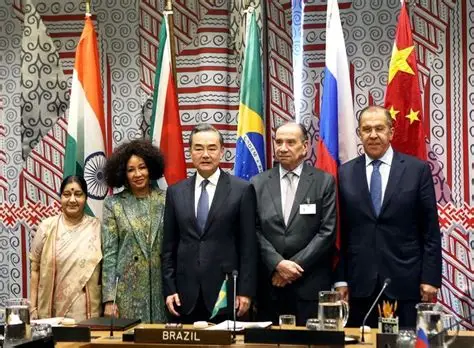
“South Africa’s Minister of International Relations Ronald Lamola is hosting German Foreign Minister Johann Wadephul in Pretoria on 22–23 July 2026 for high-level bilateral talks. The meeting underscores the deep economic and political ties between the two nations, focusing on democracy, peace initiatives, and global security challenges.”
South Africa and Germany are entering a new phase of their long-standing diplomatic relationship as Minister Ronald Lamola welcomes German Foreign Minister Johann Wadephul for bilateral talks in Pretoria on 22–23 July 2026. This engagement is not only a continuation of decades of cooperation but also a strategic recalibration in response to pressing global and regional challenges.
Historical Context
The partnership between South Africa and Germany has deep roots, dating back to the establishment of the Bi-National Commission (BNC) in 1996, following President Nelson Mandela’s state visit to Germany. The BNC has since evolved into a robust framework for cooperation across eight working groups, covering trade, investment, science, technology, and political dialogue.
Germany has consistently been South Africa’s largest trading partner in Europe, with bilateral trade valued at approximately R295 billion in 2025. More than 600 German companies operate in South Africa, employing around 100,000 people, underscoring the depth of economic integration.
Key Agenda Items
The bilateral talks are structured around four critical themes:
- Democratic Resilience: Both nations aim to strengthen institutions that safeguard democracy, particularly in the face of rising global authoritarianism.
- Investing for Peace Initiative: Collaborative efforts to promote peace and security across Africa, with specific attention to conflict zones such as the Sahel and Horn of Africa.
- Global Security Issues: The ministers will exchange views on pressing international matters, including the ongoing conflict in Ukraine and instability in the Middle East.
- Economic Cooperation: Enhancing trade and investment opportunities will be central, with Germany reaffirming its role as a major source of foreign direct investment in South Africa.
Strategic Importance
Germany’s engagement with South Africa extends beyond bilateral relations. As a leading member of the European Union, Germany’s partnership strengthens South Africa’s voice in multilateral forums such as the United Nations and the G20. This collaboration also supports Africa’s broader integration agenda, including the African Continental Free Trade Area (AfCFTA).
Economic Impact
The economic dimension of the talks cannot be overstated. Germany’s role as a major source of foreign direct investment has been instrumental in driving South Africa’s industrial growth. The presence of German companies in sectors ranging from automotive manufacturing to renewable energy highlights the strategic alignment between the two economies.
Tourism also plays a significant role, with Germany ranking as South Africa’s third largest source of overseas tourists, contributing to cultural exchange and economic vitality.
Regional and Global Security
The bilateral talks are expected to produce joint statements on regional security, particularly in Africa. South Africa and Germany share concerns about instability in the Sahel region, the Horn of Africa, and the broader Middle East. Both nations are committed to supporting peacebuilding initiatives and strengthening multilateral mechanisms for conflict resolution.
Conclusion
The Pretoria talks between Ministers Lamola and Wadephul represent a significant milestone in South Africa-Germany relations. By reinforcing democratic institutions, expanding economic cooperation, and addressing global security challenges, the two nations are not only deepening their bilateral ties but also contributing to a more stable and prosperous international order.



