




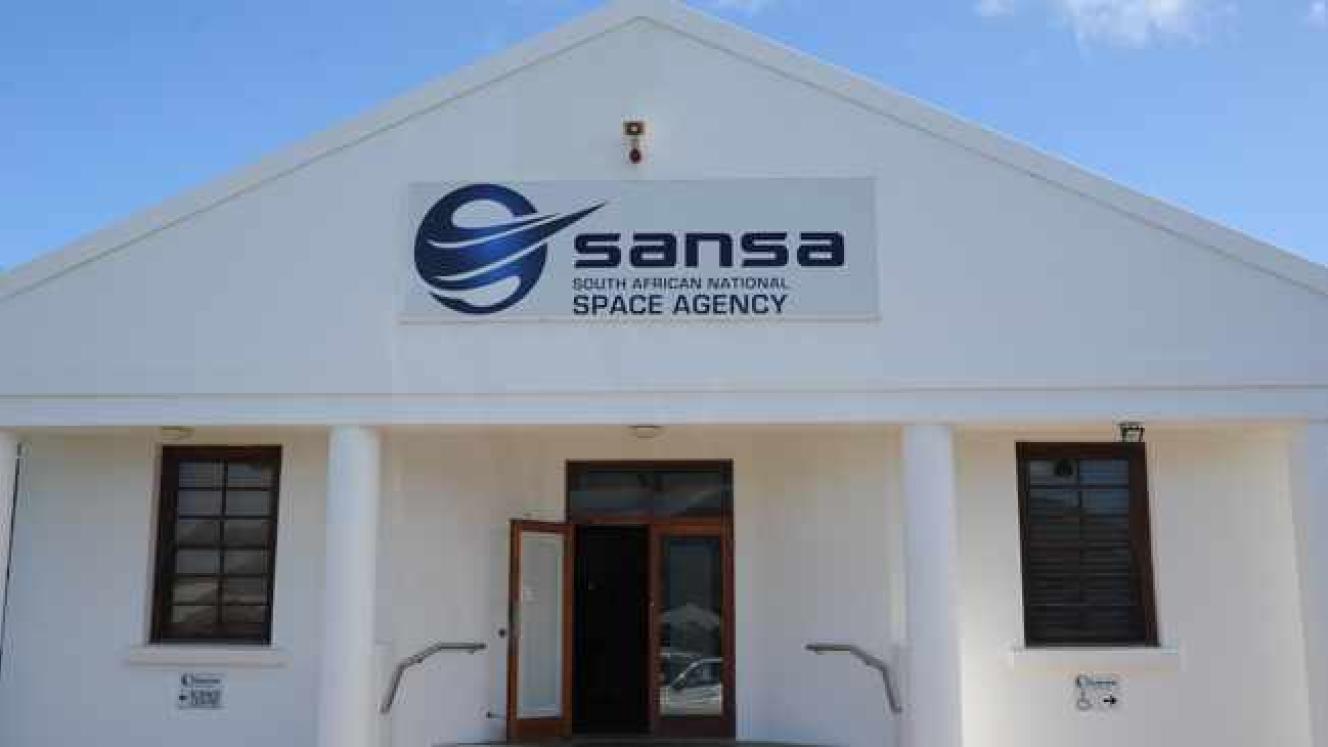
“South Africa has appointed a five-member interim board to oversee the South African National Space Agency (SANSA), following the dissolution of its previous board amid concerns about governance, internal disagreements, institutional performance and delays affecting strategic projects. The appointment comes as policymakers debate the need for stronger domestic research funding, greater accountability and more effective management of national science and technology infrastructure.”
South Africa Appoints Interim SANSA Board as Space Sector Faces Governance and Funding Challenges
A new chapter for South Africa’s space programme
South Africa’s national space programme is entering an important period of institutional transition following the appointment of an interim board to oversee the South African National Space Agency (SANSA). The development, reported by Space in Africa on 18 October 2026, comes amid concerns about institutional governance, the implementation of strategic infrastructure projects and the long-term sustainability of scientific research funding.
The interim board is expected to provide leadership continuity while the government works towards constituting a new permanent board. Its appointment is significant because SANSA supports scientific research, space technology development, Earth observation, space weather monitoring and services that can help government departments, businesses and researchers make informed decisions.
According to the published report, Science, Technology and Innovation Minister Professor Blade Nzimande appointed five members to the interim board. They assumed office on 21 August 2026 and are expected to serve for six months, until January 2027, or until a new board is constituted.
The appointment therefore represents more than an administrative change. It creates an opportunity to restore institutional stability, strengthen oversight and address questions about how South Africa manages public investment in space science and technology.
Who will lead the interim board?
The interim board brings together expertise from industry, finance, academia and scientific research. Andrew Khutso Msiza, Senior Vice President of Research and Technology at Sasol, has been appointed chairperson.
The other members are Shawn Basson, Head of Finance and Supply Chain Management at the South African Radio Astronomy Observatory; Professor Thulani Phillip Jili of the University of Zululand; Dr Sinenhlanhla Precious Sikhosana of the University of KwaZulu-Natal; and Dr Adriana Marais of the Foundation for Space Development Africa.
This combination of professional backgrounds could help the board consider SANSA’s operational responsibilities alongside financial management, research priorities and the development of South Africa’s wider space industry.
However, the board’s effectiveness will depend on how successfully its members establish clear priorities, monitor performance and work with SANSA management, government departments and other stakeholders.
The appointment does not, by itself, resolve the challenges facing the agency. Instead, it provides an interim governance structure through which those challenges can be addressed while arrangements for a permanent board continue.
Why was the previous board dissolved?
The appointment follows the dissolution of SANSA’s previous board earlier in 2026. Space in Africa reported that the minister explained the circumstances to Parliament’s relevant committee on 29 September.
According to the report, the decision was taken under Section 13(6) of the South African National Space Agency Act 36 of 2008. The minister indicated that efforts had been made to support the previous board and provide opportunities to address concerns before the decision was taken.
The principal issue was the board’s inability to perform its responsibilities effectively, alongside a breakdown in relationships among members that had undermined its functioning.
Effective governance is especially important for a national scientific institution because its responsibilities often involve complex, long-term programmes, specialised infrastructure, public funding and partnerships with international organisations.
Space projects can require years of planning, procurement, testing and technical development. Disagreements at board level or uncertainty over decision-making can consequently affect the coordination and monitoring of these activities.
The interim arrangement is intended to support continuity while establishing a framework for more effective oversight. Its success will ultimately be judged by improvements in governance, the delivery of projects and the agency’s ability to fulfil its national mandate.
Concerns about spending and strategic infrastructure
Parliamentary oversight concerns highlighted in the report included internal conflicts, inconsistent reports, declining institutional performance, delays involving the EOSAT-1 project and approximately R296 million in underspending on Strategic Infrastructure Hub projects.
These issues raise questions about the relationship between approved budgets, project implementation and the delivery of scientific infrastructure.
Underspending does not automatically mean that money has been lost or misused. It can result from procurement delays, changes in project schedules, contractual difficulties or other implementation challenges. Nevertheless, substantial underspending on strategic programmes can prevent approved resources from delivering their intended benefits within the planned period.
For a country seeking to expand its technological capabilities, delays can have wider implications. Research institutions may wait longer for facilities, companies may face uncertainty about opportunities, and public agencies may have to postpone services that depend on new infrastructure.
The interim board will therefore need to understand the reasons behind the reported spending and implementation concerns. Clear project milestones, reliable performance reporting and regular financial monitoring could help decision-makers identify bottlenecks and determine what corrective measures are appropriate.
The EOSAT-1 delays also underline the importance of realistic project planning and effective coordination between technical teams, procurement specialists, managers and oversight structures.
The available report does not establish that the interim board has already resolved these problems. Rather, they form part of the challenges that the agency and its oversight structures must address.
Why SANSA matters to South Africa
SANSA plays an important role in developing the practical benefits of space science and technology. Its work spans space science, Earth observation, space operations and space engineering.
Earth observation uses satellite-based information to monitor changes on the planet. Such information can support environmental monitoring, agricultural planning, water-resource management, disaster response and the assessment of land-use changes.
For South Africa, these applications are particularly relevant to decisions involving drought, flooding, changing weather patterns, infrastructure planning and the management of natural resources.
Space weather monitoring is another important function. Solar activity can affect parts of the near-Earth environment and potentially interfere with technologies that depend on satellites, radio communications and navigation systems.
Monitoring these conditions and providing relevant information can help organisations assess risks and prepare for potentially disruptive events.
Meanwhile, space engineering and operations support the technical capabilities needed to collect, process and use space-related data.
These functions illustrate why governance at SANSA matters beyond the agency itself. Effective leadership and project delivery can influence the reliability of scientific services, opportunities for research and the development of local technical expertise.
Research funding becomes a national concern
The governance changes are taking place alongside a wider debate about South Africa’s research and development funding.
According to Space in Africa’s report, the ministerial working group on science, technology and innovation funding identified vulnerabilities associated with reliance on foreign funding. The report noted that foreign funders accounted for 17.3% of gross expenditure on research and development.
The withdrawal of United States funding from critical research programmes was cited as part of the context for examining the sustainability of existing funding arrangements.
International research partnerships remain valuable because they can provide access to specialised equipment, expertise, funding and collaborative opportunities. However, excessive dependence on external sources can expose research programmes to decisions made outside South Africa’s control.
If a funding agreement changes or a foreign funding programme ends, researchers may struggle to maintain projects, retain specialised staff or support postgraduate students.
Strengthening domestic research funding could help South Africa protect priority programmes and develop a more predictable environment for scientific innovation.
The working group reportedly made 11 recommendations intended to strengthen domestic funding, improve coordination between government and research institutions, encourage private-sector investment and protect the country’s scientific capacity.
The report was open for public comment until 31 December 2026, with an implementation framework expected in 2027.
The proposed direction is relevant to SANSA because space research requires long-term investment in infrastructure, specialist staff, data systems and technical development. A more resilient funding model could make it easier for institutions to plan beyond short funding cycles.
Nevertheless, additional funding alone would not guarantee success. Institutions also need transparent procurement, measurable objectives, competent management and effective evaluation of results.
Opportunities for South African companies
South Africa’s space sector includes businesses working in satellite engineering, Earth observation, space science, ground station services and related technologies.
A stable national space institution can help create an environment in which companies develop products, participate in research projects and pursue international partnerships.
The potential economic benefits extend to specialist engineering, software development, data analysis, manufacturing, technical services and skills development.
South Africa’s recent participation in the 77th International Astronautical Congress in Antalya, Türkiye, offers a related example of the country’s international ambitions. SANSA reported on 6 October that 18 South African companies were exhibiting alongside the agency, with support from the Department of Trade, Industry and Competition helping ten companies attend.
That event was a separate development, rather than a new announcement made on 21 October. Nevertheless, it demonstrates the broader objective of expanding international visibility for South African space businesses.
To translate international exposure into economic value, companies need opportunities to secure contracts, establish partnerships and commercialise their capabilities. Effective institutions and predictable regulatory arrangements can help support that process.
The interim board’s governance responsibilities therefore intersect with the wider ambition to strengthen South Africa’s position in the global space economy.
The importance of accountability and continuity
The legal framework for the interim arrangement is intended to preserve SANSA’s institutional responsibilities while a permanent board is established.
The report explains that Section 13(8) of the SANSA Act provides for an interim board of at least three people to be appointed within 21 days of a board’s dissolution. The interim board assumes the responsibilities of the previous board until a new one is constituted under Section 17.
This arrangement is designed to prevent a governance vacuum. However, temporary leadership also needs a clear understanding of what can be achieved during its limited term.
Priority areas could include reviewing outstanding projects, strengthening financial reporting, improving the quality of management information and establishing measurable performance targets. These are potential areas of focus, not confirmed completed actions.
Parliamentary oversight will remain important in assessing progress. Transparent reporting can help the public understand whether concerns are being addressed and whether public resources are producing the intended outcomes.
At the same time, governance reform should support scientific work rather than create unnecessary administrative delays. The challenge is to maintain appropriate controls while enabling researchers and engineers to perform their responsibilities.
What happens next?
The coming months will be important for SANSA. The interim board’s expected term runs until January 2027 unless a permanent board is constituted sooner.
During this period, stakeholders will be looking for evidence of improved institutional stability, clearer oversight and progress on strategic projects. The process of appointing a permanent board will also be important in determining the agency’s longer-term leadership.
The wider research funding debate will continue alongside these institutional changes. Public submissions on the ministerial working group’s recommendations are expected to inform an implementation framework in 2027.
For the space sector, the central question is whether these governance and funding initiatives can translate into practical improvements in research capacity, technical infrastructure and opportunities for local businesses.
Conclusion
South Africa’s appointment of an interim SANSA board marks an important step in addressing governance challenges at a strategically significant scientific institution.
The reported concerns about institutional performance, underspending and project delays underline the importance of accountability and effective management. Meanwhile, the wider debate about domestic research funding highlights the need to protect scientific programmes from unnecessary uncertainty and strengthen the country’s capacity for innovation.
SANSA’s work in Earth observation, space weather, engineering and operations has applications extending across the economy and public services. Improving the institution’s governance could therefore benefit not only researchers, but also businesses, government departments and communities that depend on space-derived information.
The interim board’s appointment is a beginning rather than a resolution. Its lasting significance will depend on whether the institution emerges with stronger oversight, more reliable project delivery and a sustainable foundation for South Africa’s future in space science and technology.



