




“South Africa has allocated R10.4 billion to science, technology, and innovation for 2026/27, focusing on AI, renewable energy, vaccine manufacturing, and space research. The initiative reflects a decisive political commitment to innovation as a driver of economic growth, social development, and global competitiveness.”
In a significant political and economic development, the South African government has unveiled a R10.4 billion STI budget for the 2026/27 financial year. This announcement, made by Minister Blade Nzimande and Deputy Minister Nomalungelo Gina, underscores the centrality of innovation in shaping South Africa’s future. The move is not just about technology—it is about embedding innovation into the political fabric of governance, economic planning, and social transformation.
Strategic Priorities
The STI budget is guided by the Decadal Plan 2022–2032, which places science and innovation at the core of national development. Key priorities include:
- Artificial Intelligence: Expanding AI applications in healthcare, manufacturing, and public services.
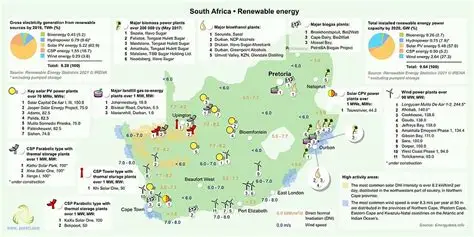
- Energy Security: Supporting renewable energy innovation to reduce reliance on fossil fuels.
- Space Research: Continued investment in the Square Kilometre Array and satellite technologies.
- Vaccine Manufacturing: Strengthening pandemic preparedness and biomanufacturing capacity.
- Indigenous Knowledge Systems: Integrating traditional knowledge into modern innovation frameworks.
Economic and Social Impact
The allocation aims to raise gross expenditure on R&D to 1.5% of GDP, a significant increase from current levels. This will:
- Create high-level skills development programs, including the Presidential PhD Programme.
- Upgrade critical science infrastructure to support cutting-edge research.
- Forge strategic partnerships with private sector and STI-intensive departments.
- Enhance public engagement campaigns to increase awareness of science’s role in human development.
Global Positioning
South Africa’s STI investment is not just domestic—it is about strengthening partnerships across Africa and the Global South. By aligning with transformative technologies such as quantum computing, biotechnology, and green energy, the country aims to position itself as a hub for innovation-led industrialization.
Challenges and Risks
Despite its ambition, the plan faces challenges:
- Ensuring equitable access to innovation opportunities across rural and urban communities.
- Addressing the skills gap in advanced technologies.
- Mobilizing additional funding from private and international partners to sustain long-term projects.
- Balancing innovation with pressing socio-economic needs such as unemployment and inequality.
Political Significance
This STI budget is not merely a technocratic exercise—it is a political statement. By prioritizing innovation, the government signals its intent to move beyond traditional development models and embrace a future-oriented agenda. In the context of South Africa’s political landscape, where debates around inequality, service delivery, and governance dominate, this investment represents a strategic pivot toward innovation-driven politics.
Conclusion
The R10.4 billion STI budget marks a watershed moment in South Africa’s innovation journey. It reflects a government willing to bet on science and technology as the engines of growth, resilience, and competitiveness. While challenges remain, the political commitment to innovation offers a roadmap for a transformed South Africa—one that is inclusive, globally competitive, and future-ready.



