




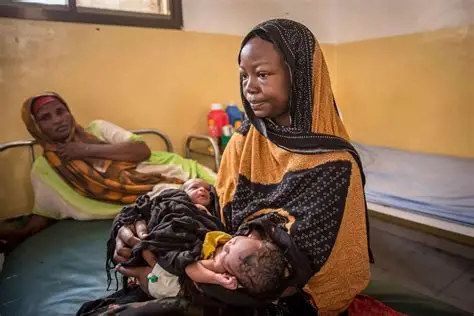
“South Africa is grappling with a paradoxical nutrition crisis where undernutrition, obesity, and micronutrient deficiencies coexist across the population, driven by poverty, food insecurity, and poor diets. The Department of Health warns that this “triple burden of malnutrition” poses long-term risks to public health, economic productivity, and social development.”
South Africa’s nutrition landscape is facing one of its most pressing challenges in decades. The Department of Health has sounded the alarm over what it calls the “triple burden of malnutrition” — a phenomenon where hunger, obesity, and micronutrient deficiencies are occurring simultaneously. This paradox reflects deep structural issues in the country’s food system and poses long-term risks to public health, economic productivity, and social development.
The Triple Burden Explained
- Undernutrition: Millions of South Africans, particularly children, still suffer from hunger and inadequate diets. Stunting and wasting remain prevalent, undermining physical and cognitive development.
- Obesity and Overnutrition: At the same time, South Africa is now among the “heaviest nations in the world,” with rising rates of obesity, diabetes, kidney disease, and cardiovascular illnesses.
- Micronutrient Deficiencies: Even when food is available, diets often lack essential vitamins and minerals, leading to hidden forms of malnutrition.
Root Causes
The Department of Health identifies several drivers:
- Poverty and Inequality: Many households cannot afford nutritious food, opting instead for cheaper, calorie-dense options.
- Food Prices: Rising costs of fresh produce and protein sources push families toward processed foods.
- Food System Structure: Supermarkets and fast-food outlets dominate urban food environments, while traditional staples lose ground.
- Climate Change: Droughts and floods disrupt food production, worsening insecurity.
- Limited Awareness: Nutrition education remains insufficient, leaving many unaware of healthier choices.
Impact on Children
The Department emphasizes the first 1,000 days of life as critical for growth. Stunting during this period has irreversible consequences, affecting school performance, future earnings, and overall health. South Africa’s child malnutrition rates remain alarmingly high, with long-term implications for national development.
Rising Obesity Crisis
Obesity is no longer confined to wealthy households. Increasingly, low-income communities are experiencing high rates of obesity due to reliance on cheap, processed foods. This has led to a surge in non-communicable diseases (NCDs) such as diabetes and hypertension, straining the healthcare system.
Government Response
Acting Director-General Nicholas Crisp presented the crisis before the South African Human Rights Commission (SAHRC), highlighting the need for stronger food security measures. The Department of Health is focusing on a “life course approach” to nutrition, targeting interventions from before pregnancy through to adulthood.
Policy and Structural Challenges
While new dietary guidelines have been introduced to encourage traditional foods and reduce salt and sugar intake, experts warn that structural barriers — such as food affordability and industry resistance — may limit their effectiveness.
Conclusion
South Africa’s triple burden of malnutrition is not just a health issue; it is a national development crisis. Without urgent reforms in food systems, stronger public health interventions, and widespread nutrition education, the country risks a future where both hunger and obesity undermine its social and economic progress.



