




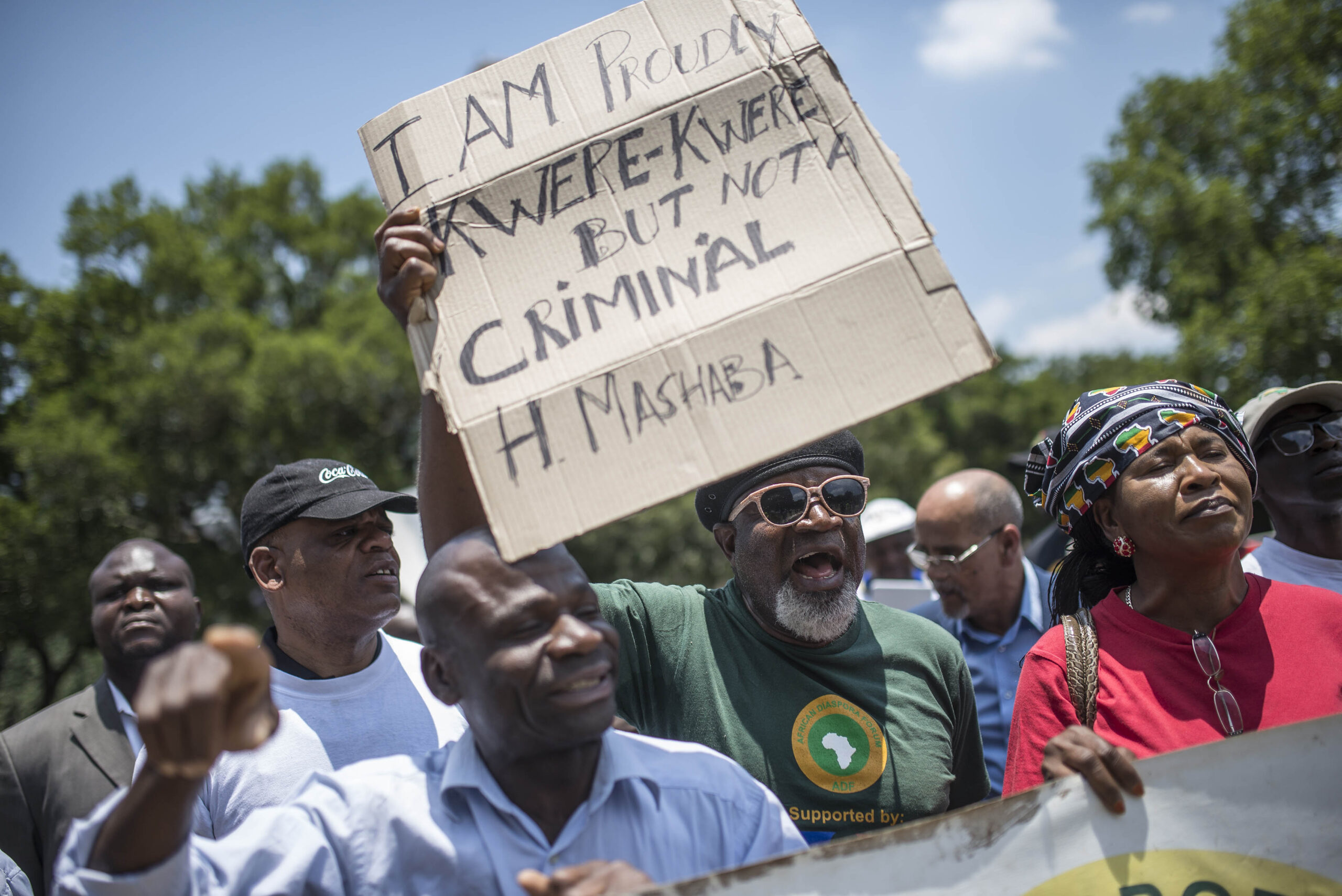
“Grassroots activists and migrant communities in Johannesburg gathered ahead of a disputed June 30 deadline set by anti-immigrant groups, exposing deep divisions between calls for peace and demands for foreigners to leave. The government has mobilized security forces nationwide, warning that incitement to violence will carry criminal and diplomatic consequences.”
On June 30, 2026, South Africa finds itself at the epicenter of a political and social storm. Activist groups, notably the March and March movement and Operation Dudula, have set a controversial deadline demanding undocumented migrants leave the country. While the government insists the day is a normal working day, migrant communities, civil society activists, and international observers are bracing for potential violence.
Grassroots Mobilization
In Johannesburg’s informal settlement of Tembelihle, the Tembelihle Crisis Committee organized a meeting to discourage xenophobic attacks. About 300 residents, including Malawian migrants, attended. The gathering revealed sharp divisions: some speakers urged restraint, while others blamed migrants for crime and unemployment. The evening ended with reports of a stabbing, underscoring the fragile atmosphere.
Migrant Fear and Uncertainty
For migrants, particularly Malawians, Nigerians, and Zimbabweans, the June 30 deadline has become a source of dread. Many camped outside their consulates, fearing attacks. One Malawian man told reporters: “I have to get home before June 30, or they will kill my family.” Such testimonies highlight the human cost of political activism that veers into intimidation.
Government Response
Acting Police Minister Firoz Cachalia labeled the planned protests “reckless,” warning of economic, human, and diplomatic consequences. Security forces have been mobilized nationwide, with hotspots identified in Gauteng and KwaZulu-Natal. Police leave has been suspended, and the military is on standby to protect critical infrastructure. President Cyril Ramaphosa also intervened, cautioning that grievances “cannot be determined by intimidation, threats or ultimatums.”
Activist Groups’ Position
The March and March movement, supported by over 20 civil society organizations, insists their campaign is about enforcing immigration law, not xenophobia. Leader Jacinta Ngobese-Zuma argued: “It can’t be illegal to tell people who are illegal in the country to leave.” Organizers pledged peaceful marches but refused responsibility if violence erupted, placing accountability on the state.
Historical Context
South Africa has a troubled history with xenophobic violence, with major outbreaks in 2008, 2015, and 2019. These incidents damaged the country’s international reputation and strained relations with Nigeria, Ghana, and other African nations. The current activism echoes past cycles of unrest, raising fears of another wave of violence.
International Repercussions
African governments are closely monitoring the situation. Nigeria and Ghana have summoned South African envoys in response to threats against their nationals. The crisis risks undermining South Africa’s diplomatic standing and its role as a continental leader.
Civil Society Resistance
Not all activism is anti-immigrant. Groups like the Tembelihle Crisis Committee and academics such as Luke Sinwell argue for non-violent solutions. They emphasize that opportunistic crime and xenophobic violence are interconnected, urging communities to resist scapegoating migrants.
Broader Implications
The June 30 deadline is more than a protest date—it symbolizes the tension between grassroots activism, populist anger, and state authority. It raises critical questions:
- Can activism rooted in exclusion coexist with democratic values?
- How should governments balance citizen grievances with human rights obligations?
- What role should civil society play in preventing violence?
Conclusion
As South Africa navigates June 30, the stakes are high. Migrants live in fear, activists demand enforcement of immigration laws, and the government pledges to maintain order. Whether the day ends peacefully or descends into violence will shape the country’s political trajectory and its reputation across Africa.



