




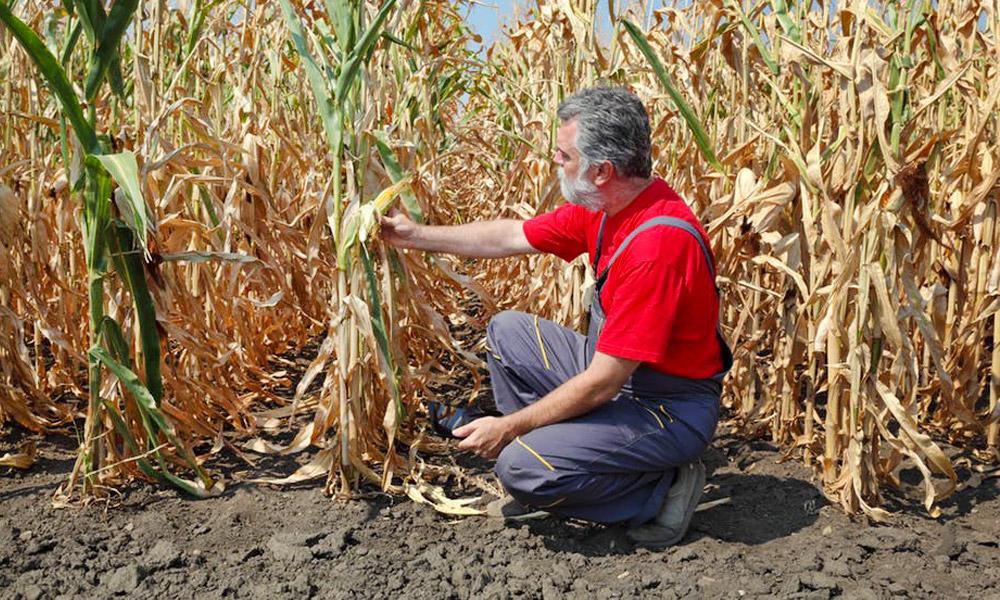
“South Africa is facing heightened food-security risks as a developing El Niño weather pattern is expected to bring prolonged dry conditions and increased drought risks, threatening agricultural production, water availability and household food access. The warning is particularly significant for nutrition because reduced agricultural output and potentially higher food prices could make nutritious foods less affordable for vulnerable households already facing cost-of-living pressures.”
South Africa is facing a potentially serious food-security challenge as the country prepares for prolonged dry conditions associated with a developing El Niño weather pattern. The warning, reported by SABC News on 4 October 2026, comes as climate experts and government officials raise concerns about the effects of unusually dry and warm conditions on agriculture, water resources, livelihoods and food production.
Although El Niño is primarily a climate phenomenon, its consequences extend well beyond weather. For South African households, particularly those already struggling with food affordability, a weaker agricultural season could have important implications for nutrition. If crops fail, livestock production is affected or water becomes more difficult to access, the availability and affordability of healthy foods could come under additional pressure.
According to SABC News, the World Meteorological Organisation has warned that the developing weather pattern could increase risks to agriculture, water resources, food security and livelihoods across southern Africa. South Africa and southern and central Mozambique are among the areas expected to experience prolonged dry conditions.
Wits University climatologist Professor Francois Engelbrecht described the developing event as a potentially exceptionally strong El Niño. He said ocean temperatures in the central-eastern tropical Pacific have already reached levels associated with what is described as a “super El Niño”. The phenomenon is generally associated with below-normal rainfall and above-normal temperatures in southern Africa.
For nutrition, the implications are significant because food availability depends heavily on functioning agricultural systems. South Africa has a relatively sophisticated commercial agricultural sector, but farmers still depend on suitable rainfall, irrigation, water storage and predictable seasonal conditions. A prolonged period of heat and insufficient rainfall can affect the quantity and quality of crops reaching consumers.
Agriculture at the Centre of the Nutrition Concern
Agriculture is one of the first sectors exposed to prolonged drought conditions. Crops require water throughout different stages of production, while livestock producers depend on pasture, feed and reliable water supplies.
The South African government has acknowledged the potential consequences. Minister in the Presidency Khumbudzo Ntshavheni said anticipated El Niño conditions pose heightened risks to water-resource availability and municipal water security, particularly in areas already experiencing constrained supply or high demand. She also warned that if the conditions materialise, agriculture and food production could be severely affected, with consequences for food security.
This connection between climate and nutrition is important. A household does not need to experience famine for nutrition to deteriorate. When food prices increase, families with limited incomes may respond by purchasing cheaper, less diverse foods. Fresh fruit, vegetables, quality protein sources and other nutrient-rich products can become difficult to afford when household budgets are already under pressure.
A family may continue consuming enough calories while receiving insufficient amounts of essential vitamins, minerals, protein and other nutrients. This can contribute to what health experts describe as the multiple forms of malnutrition, where undernutrition and diet-related health problems can exist within the same population.
South Africa already faces this complex nutrition environment. The country has significant food insecurity alongside high levels of overweight and obesity. The Human Sciences Research Council has previously reported that almost half of South African adults are overweight or obese, while poverty and poor nutrition contribute to the country’s broader malnutrition burden.
Food Prices Could Become an Important Concern
The possible effect of El Niño on food prices is another major concern.
When agricultural production falls, supply can become tighter. If demand remains high, prices can rise. For low-income households, even relatively small increases in the prices of staple foods can force difficult choices.
The consequences can extend beyond maize, wheat or other staple products. Agricultural disruptions can affect vegetables, fruit, meat, dairy products and other foods that contribute to dietary diversity.
South Africa has already been dealing with food affordability concerns. Earlier this year, the Human Sciences Research Council was cited by SABC News as estimating that about 14 million South Africans experience food insecurity, while more than 1,000 children reportedly died from malnutrition during the previous year.
Those figures demonstrate why another significant disruption to food production deserves attention from a nutrition perspective.
The challenge is not simply ensuring that enough food exists nationally. Food must also be affordable and accessible to households.
Vulnerable Children Could Face Greater Risks
Children are among the groups most vulnerable to inadequate nutrition. Their bodies require sufficient energy, protein and micronutrients for physical growth, brain development and immune function.
Recent reporting on child nutrition in Africa has highlighted the importance of affordability. Experts from the North-West University Centre of Excellence for Nutrition have argued that parents may understand nutritional recommendations but still be unable to afford the foods needed to provide diverse diets.
Affordable foods such as beans, cowpeas and groundnuts can provide valuable nutrients, while vegetables such as leafy greens and orange-fleshed sweet potatoes can contribute important vitamins. However, access to these foods can vary according to household income, location, season and availability.
This means that climate shocks can compound existing inequalities.
A wealthier household may be able to absorb higher food prices or purchase alternative foods. A household already spending most of its income on basic necessities has considerably less room to adjust.
For this reason, nutrition policy cannot be separated from agricultural policy, climate preparedness and social protection.
Government Response Will Be Important
The South African government says it is preparing for the potential consequences of El Niño. According to SABC News, Cabinet has received a report on the expected effects, while President Cyril Ramaphosa is expected to establish an interministerial committee focused on the response.
The government response will be important because drought preparedness involves multiple sectors.
Agriculture needs support to prepare farmers for changing conditions. Water authorities need to manage scarce resources carefully. Food producers and distributors need to maintain functioning supply chains. At the same time, social-development programmes may need to protect vulnerable households from worsening food insecurity.
South Africa’s existing food-fortification framework also remains relevant. The National Department of Health maintains regulations covering the fortification of certain foodstuffs, iodated salt and nutrition-related food controls.
Such measures become particularly important when households have limited dietary diversity because fortified staple foods can help provide selected micronutrients.
Agriculture Has Some Protection, but Risks Remain
The agricultural sector has also urged caution in interpreting the forecasts.
AgriSA Chief Operating Officer Jolanda Andrag told SABC News that farmers should remain vigilant because seasonal forecasts point towards a warmer and drier period across much of the country. However, she also stressed that a seasonal forecast does not automatically confirm that every region will experience drought.
Current agricultural conditions provide some protection. SABC News reported that the latest Crop Estimates Committee estimate puts the 2024/25 maize crop at 17.5 million tonnes, while soil moisture, dam levels and grain stocks provide South Africa with a stronger starting position.
Nevertheless, previous harvests cannot guarantee future production.
That distinction is crucial. Food reserves can provide a buffer, but prolonged drought conditions can eventually place pressure on stocks, production costs and prices.
Nutrition Must Be Part of the Climate Response
The El Niño warning therefore needs to be considered not only as an agricultural story but also as a public-health and nutrition story.
Climate conditions influence what farmers can grow. Agricultural production influences food supply. Food supply affects prices. Prices influence what households can purchase. Household purchasing decisions ultimately affect dietary quality.
That chain illustrates why nutrition cannot be treated as an isolated health issue.
The country’s response should therefore include measures that protect both food production and household access to nutritious diets. Farmers need appropriate climate information, water-management support and practical drought-preparedness measures. Consumers, particularly vulnerable households, may require stronger social protection if food costs rise.
School-feeding programmes can also play an important role in protecting children’s nutritional intake. However, nutrition experts have warned that interventions beginning at school age cannot fully compensate for nutritional deprivation during the first years of life.
A Warning Before the Crisis Deepens
South Africa’s developing El Niño conditions provide an important reminder that nutrition security depends on more than the availability of food in supermarkets.
A healthy diet requires food to be available, affordable, safe and nutritionally diverse. When climate conditions threaten agricultural production, each of these elements can become more difficult to maintain.
For millions of South Africans already dealing with food insecurity and high living costs, the potential consequences deserve serious attention.
The immediate message from experts is preparedness. The government is considering an intervention plan, agricultural organisations are monitoring conditions, and climate scientists are warning that the coming season could be unusually challenging.
The severity of the eventual impact will depend on rainfall, regional conditions, agricultural resilience, water availability and the effectiveness of the measures introduced in response.
For now, however, the warning is clear: South Africa’s El Niño risk is not simply about weather. It is also about food, affordability, dietary quality and public health.
Protecting nutrition during the coming season will require cooperation between government, farmers, food producers, retailers, health professionals and communities. If preparations begin early, the country may be better positioned to protect food supplies and vulnerable households. If the warning is ignored, the effects of drought could reach far beyond farms and reservoirs, eventually appearing in household food baskets and on the health of South Africans.



