




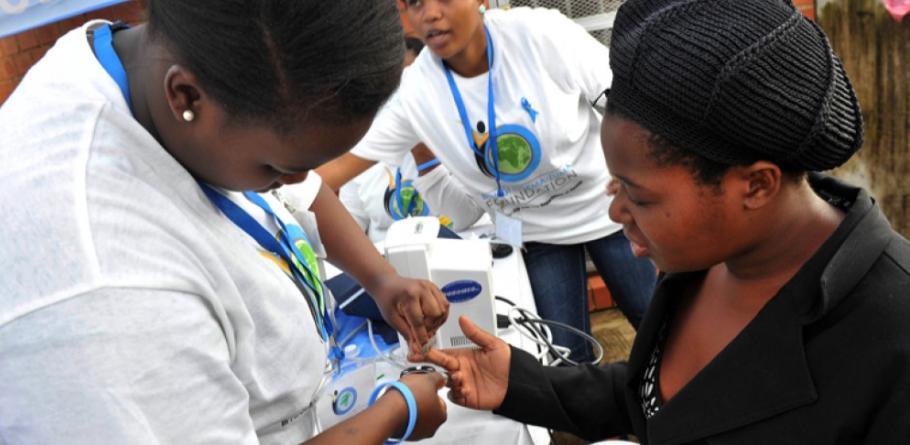
“South Africa’s latest mortality statistics have placed diabetes at the centre of the country’s public-health debate, after 28,767 people died from diabetes mellitus in 2024, making it the leading underlying natural cause of death for the third consecutive year. Health Minister Aaron Motsoaledi says the figures demonstrate an epidemiological transition in which non-communicable diseases such as diabetes, hypertension, cancer and obesity are becoming increasingly important alongside HIV, tuberculosis and other infectious diseases.”
South Africa Faces a Growing Diabetes Public-Health Challenge
South Africa’s diabetes burden has moved firmly into the centre of the country’s public-health debate after new mortality figures showed that diabetes was the leading underlying natural cause of death in 2024 for the third consecutive year. Statistics South Africa recorded 28,767 deaths attributed to diabetes mellitus, while Health Minister Aaron Motsoaledi warned that the figures reflect a broader epidemiological transition in which non-communicable diseases are becoming increasingly important alongside longstanding infectious-disease challenges.
The figures, reported on 7 October 2026, provide one of the clearest signals yet that South Africa’s public-health priorities cannot focus only on infections. Diabetes, hypertension, cardiovascular disease, cancer and obesity are increasingly shaping illness, disability and mortality. For a country still managing HIV, tuberculosis and other communicable diseases, the changing pattern creates pressure on households, clinics, hospitals and government prevention programmes.
Statistics South Africa’s mortality report recorded 474,366 deaths in 2024. Non-communicable diseases dominated the leading causes, with diabetes responsible for 6.1% of all recorded deaths. Hypertensive diseases accounted for 5.5%, while cerebrovascular diseases contributed 5.4%. Among women, the picture was even more striking: diabetes was the leading underlying cause of death, accounting for 7.9% of female deaths, followed by hypertensive diseases at 7.1%.
The statistics matter because they translate a chronic-disease problem into a national public-health emergency. Diabetes can develop quietly, and some people may live with high blood glucose for years before diagnosis. Without effective management, prolonged high blood sugar can damage blood vessels and nerves and contribute to kidney disease, vision loss, cardiovascular complications, stroke and other serious conditions.
Motsoaledi described the change as an epidemiological transition. South Africa is not abandoning the fight against HIV and tuberculosis, but the country is simultaneously facing a growing burden of conditions linked to metabolic and cardiovascular health. The minister pointed to several shared risk factors, including smoking, harmful alcohol use, unhealthy diets and physical inactivity.
This means prevention has to become a central part of public-health policy. Screening and early diagnosis can identify people at risk before complications develop. Once diabetes is diagnosed, access to medicines, regular monitoring, nutrition advice, physical activity and consistent follow-up can help people control the disease and reduce the likelihood of severe complications.
The minister also highlighted a practical obstacle: the economics of healthy living. For many households, healthier food can appear more expensive or less accessible than highly processed alternatives. This makes diabetes prevention more than a question of individual choice. Food prices, neighbourhood environments, transport, working hours, marketing and access to safe spaces for exercise can all influence health behaviour.
Motsoaledi argued that physical activity does not need to mean joining an expensive gym. Regular brisk walking, he said, can provide a practical form of exercise. That message is important in a public-health context because interventions that depend on expensive equipment or memberships may exclude the people who could benefit most.
However, individual behaviour cannot carry the whole responsibility. Public-health responses must also address the environments in which people make daily decisions. Schools, workplaces, municipalities, food retailers, healthcare facilities and community organisations all have roles to play. Better health information, opportunities for physical activity, affordable nutritious foods and accessible screening can make prevention easier.
The gender dimension of the mortality data is particularly important. Diabetes was the leading underlying cause of death among women in 2024, according to Statistics South Africa. That does not mean women are the only group affected, but it demonstrates why public-health planning should examine how chronic diseases affect different populations. Women may face particular barriers related to household responsibilities, income, healthcare access and the ability to prioritise their own health.
The figures also reinforce the importance of primary healthcare. Public clinics are often the first point of contact for people who need blood-pressure checks, glucose testing, medication refills, lifestyle counselling and referrals. If primary care can detect risk early and maintain reliable follow-up, the health system has a better opportunity to prevent avoidable complications.
At the same time, treatment continuity is essential. Diabetes is a long-term condition, so patients need dependable access to medicines and monitoring rather than one-off interventions. This is especially relevant as Gauteng’s health authorities acknowledged medicine-supply challenges on the same day, saying some public facilities were experiencing shortages linked to supplier delays, contract changes and broader supply-chain pressures. The province said it was moving stock between facilities and using approved alternatives where clinically appropriate.
That development illustrates the connection between public-health policy and health-system capacity. A strong diabetes strategy requires not only public awareness but also functioning procurement systems, trained healthcare workers, laboratory services, medicines, monitoring equipment and referral pathways. If any part of the chain fails, patients can experience interruptions that increase the risk of poor outcomes.
The changing disease burden also has implications for health education. Campaigns need to explain that diabetes can affect people without obvious symptoms and that prevention and early care matter. Messages should be understandable, culturally appropriate and available in communities where healthcare access is limited. Community health workers can help connect households with screening, treatment and advice.
Technology may also support the response, particularly through patient reminders, digital health education and systems that help clinics monitor chronic-care appointments. Yet technology should complement, rather than replace, accessible face-to-face healthcare. South Africa’s public-health system must ensure that digital approaches do not deepen inequalities for people who lack smartphones, data, connectivity or digital literacy.
The latest mortality figures should therefore be read as a call for sustained action rather than as a reason for alarm alone. Diabetes is preventable or manageable in many cases, and early intervention can make a major difference. But success requires coordination across government departments, health professionals, communities, researchers, schools and the private sector.
South Africa’s public-health conversation has historically been shaped by infectious diseases, and rightly so. HIV and tuberculosis remain serious health challenges. Yet the mortality data show that the country now has to manage a more complicated health landscape in which communicable and non-communicable diseases coexist. That requires a broader prevention model.
For ordinary South Africans, the message is straightforward: knowing one’s health status matters. Regular health checks, appropriate screening, healthy eating where affordable and practical, physical activity, avoiding tobacco, moderating alcohol and following prescribed treatment can all contribute to better health. People who have symptoms or risk factors should seek advice from a qualified healthcare professional rather than waiting for serious complications.
For government, the challenge is larger. Prevention must be backed by policies that make healthier choices realistic, while primary healthcare must be sufficiently resourced to diagnose and manage chronic diseases. The 28,767 diabetes deaths recorded in 2024 are not merely a statistic. They represent families affected by loss and a warning about the direction of South Africa’s health burden.
The most important public-health lesson from today’s reporting is that South Africa’s health system must prepare for the future while continuing to fight the diseases of the past. Diabetes has now become a leading measure of that challenge. Turning the mortality trend around will require early detection, affordable treatment, healthier environments and sustained public engagement. The scale of the problem is substantial, but so is the opportunity: preventing complications and improving diabetes control can save lives, reduce pressure on hospitals and strengthen the country’s overall health resilience.



