




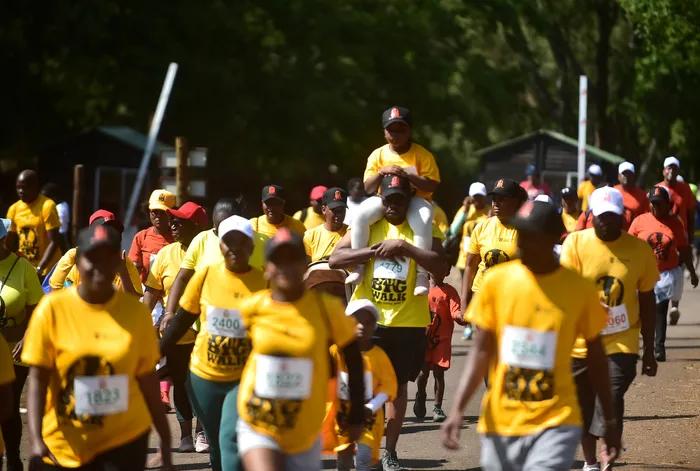
“South Africa’s worsening diabetes burden has placed renewed attention on the importance of physical activity after Health Minister Dr Aaron Motsoaledi warned that sedentary lifestyles are among the factors contributing to the country’s growing non-communicable disease challenge. The latest Statistics South Africa mortality figures show that diabetes was responsible for 28,767 deaths in 2024, making it the country’s leading underlying natural cause of death for the third consecutive year.”
South Africa’s Health Crisis Brings Fitness Into Focus
Fitness is increasingly becoming a public-health issue in South Africa rather than simply a matter of appearance, sporting performance or personal lifestyle choice. A major health story reported on 7 October 2026 has highlighted the connection between physical inactivity, changing lifestyles and the country’s growing burden of non-communicable diseases.
Health Minister Dr Aaron Motsoaledi has warned about South Africa’s latest diabetes statistics, saying the country is experiencing an epidemiological transition in which diseases such as diabetes, hypertension, cancer and obesity are becoming increasingly important causes of illness and death.
The warning comes after Statistics South Africa released its latest Mortality and Causes of Death in South Africa: Findings from Death Notifications, 2024 report. The official figures recorded 474,366 deaths in 2024, with diabetes mellitus accounting for 6.1% of deaths. Statistics South Africa identified diabetes, hypertensive diseases and cerebrovascular diseases as the country’s three leading causes of death in 2024.
For the fitness sector, the figures provide a powerful reminder that regular physical activity can form part of a broader strategy for preventing and managing lifestyle-related health risks.
Diabetes Emerges as a Major National Health Concern
According to the mortality data, diabetes was responsible for 28,767 deaths in 2024. This translates to approximately 79 deaths every day. The disease was also the leading underlying cause of death among women, accounting for 7.9% of female deaths in 2024.
The statistics illustrate how South Africa’s health priorities are changing. For decades, infectious diseases played a dominant role in the country’s disease burden. However, the latest figures demonstrate the increasing importance of non-communicable diseases.
Motsoaledi described this development as an epidemiological transition, pointing to diabetes, high blood pressure, cancer and obesity as increasingly significant health challenges. He also identified several shared risk factors, including smoking, excessive alcohol consumption, unhealthy diets and sedentary lifestyles.
This is where fitness becomes particularly important.
Physical activity alone cannot eliminate the risk of diabetes or guarantee protection from chronic disease. However, maintaining an active lifestyle is widely recognised as one component of a healthier approach to preventing and managing non-communicable diseases.
The Sedentary Lifestyle Problem
Modern urban life has changed how many people move throughout the day.
In previous generations, physical activity was often incorporated naturally into everyday life through walking, manual work and other forms of movement. Today, however, many people spend long periods sitting at desks, commuting in vehicles, using computers and smartphones, or engaging in other activities that require little physical movement.
Motsoaledi specifically highlighted changing lifestyles and the reduction of natural physical activity, particularly in urban areas.
The issue is therefore bigger than whether someone belongs to a gym.
A person can technically avoid the gym while still maintaining an active lifestyle. Walking to nearby destinations, taking stairs instead of lifts, doing household activities, participating in community sports, gardening or taking regular walking breaks can all contribute to greater movement throughout the day.
This is significant in South Africa because the cost of organised fitness can be a barrier for some households.
Exercise Does Not Have to Be Expensive
One of the most important points in Motsoaledi’s comments was his emphasis that exercise does not necessarily require a gym membership.
He highlighted brisk walking as a practical and accessible form of exercise, saying people can walk for around 30 minutes and that physical activity does not have to involve spending money on a fitness facility.
The message is particularly relevant for communities where household budgets are under pressure.
A commercial gym can provide useful equipment, professional trainers and structured programmes, but it is not the only route to fitness. Walking groups, community recreation facilities, parks, school grounds and organised running or walking events can create opportunities for people to become more physically active without expensive memberships.
South Africa already has examples of community-based activity. Government health programmes have previously partnered with organisations such as parkrun to encourage people of different ages to walk and run in public parks.
These initiatives demonstrate how fitness can be integrated into communities rather than being treated exclusively as a commercial service.
Fitness and Prevention
The renewed focus on physical activity also reflects a wider shift in how South Africa approaches non-communicable diseases.
Government health officials have identified lifestyle management as a cornerstone of prevention, alongside measures such as avoiding tobacco, moderating alcohol consumption, improving nutrition and participating in regular physical activity.
The challenge is that prevention often requires changes before serious illness becomes apparent.
Diabetes can develop gradually, and people may not immediately recognise that they are at increased risk. Regular medical screening, particularly for people with risk factors, therefore remains important. Exercise should complement—not replace—professional medical advice, screening and treatment.
The National Health Laboratory Service has also introduced a national diabetes dashboard designed to provide a near-real-time picture of diabetes control using laboratory data. The initiative demonstrates the growing emphasis on early detection, monitoring and evidence-based intervention.
A Broader Definition of Fitness
The latest diabetes warning also provides an opportunity to rethink what fitness means.
Fitness should not be limited to professional athletes, marathon runners or people who spend hours in gyms. For public health purposes, fitness can mean gradually building more movement into everyday life.
For one person, that might mean a 30-minute brisk walk. For another, it could involve cycling, swimming, dancing, running, playing football, participating in community aerobics or following an appropriately designed home exercise programme.
The most important consideration is consistency.
People who are currently inactive should also avoid feeling pressured to immediately undertake intense workouts. Building activity gradually can make exercise more sustainable and reduce the risk of injury.
Anyone with a medical condition, significant symptoms or uncertainty about beginning strenuous exercise should seek appropriate professional medical advice.
Nutrition Remains Part of the Equation
The minister’s comments also addressed the difficulty many South Africans face in maintaining healthy diets.
Motsoaledi noted that healthier food can be expensive while highly processed foods can be relatively affordable and readily available.
This highlights why the diabetes challenge cannot be addressed through exercise alone.
Fitness, nutrition, healthcare access, education and economic conditions all influence health outcomes. Encouraging people to exercise while ignoring the affordability of nutritious food would therefore provide an incomplete response to the problem.
A comprehensive health strategy needs to make healthier choices easier and more accessible while encouraging communities to remain physically active.
Why the Story Matters for South Africans
The significance of today’s fitness-related health story extends well beyond the gym industry.
The country’s mortality statistics show that non-communicable diseases are already responsible for a substantial proportion of deaths. Statistics South Africa’s latest report shows that the three leading causes of death in 2024 were all non-communicable diseases, with diabetes at 6.1%, hypertensive diseases at 5.5% and cerebrovascular diseases at 5.4%.
That makes prevention increasingly important.
Encouraging regular movement could become an important part of a wider national conversation about healthy living. Schools, workplaces, municipalities, sports organisations, healthcare providers and community groups can all play a role in creating environments where physical activity is normal and accessible.
Ultimately, the message from South Africa’s latest diabetes figures is not that everyone needs to become an elite athlete. It is that movement matters.
A walk around the neighbourhood, an organised community fitness session, a run in a local park or another suitable form of regular activity can be a meaningful step toward a healthier lifestyle.
As South Africa confronts the growing impact of diabetes and other non-communicable diseases, fitness is increasingly being recognised as an important part of the country’s public-health conversation.
The challenge now is turning that message into everyday action—making physical activity affordable, accessible, safe and sustainable for people across communities.
Original News Story
The primary story identified for this Fitness under Health report was published by Eyewitness News (EWN) on 7 October 2026, reporting Health Minister Aaron Motsoaledi’s warning about South Africa’s diabetes statistics and his call for accessible physical activity such as brisk walking.



