




“South Africa’s consumer inflation has dropped to 2.7% year-on-year, its lowest point in the current cycle, driven by falling fuel costs and easing agricultural prices. The rand, after recent political volatility, has stabilized, offering cautious optimism for economic growth and monetary stability.”
South Africa’s macroeconomic landscape has taken a notable turn as consumer price inflation (CPI) fell to 2.7% year-on-year, dipping below the South African Reserve Bank’s (SARB) target range of 3–6%. This marks the lowest point in the current inflation cycle and reflects a combination of easing fuel prices, subdued agricultural costs, and a stabilizing rand. For policymakers and investors, this development signals both opportunities and challenges in navigating the country’s fragile economic recovery.
Drivers of Inflation Moderation
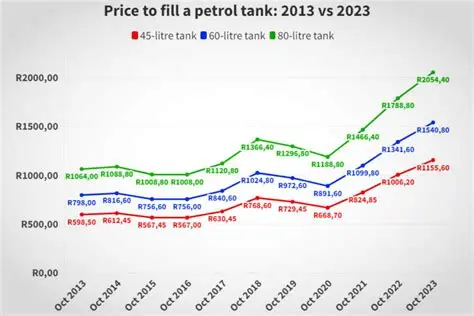
Fuel prices have been a primary contributor to the decline. In April, petrol prices fell by 72 cents per litre, followed by another 22 cents per litre drop in May, largely due to lower global oil prices. Brent crude fell from US$71.5 per barrel in March to US$66.4 per barrel in April, easing pressure on domestic fuel costs. Agricultural prices also remained subdued, with international food prices rising only 0.2% month-on-month, further reducing inflationary pressures.
Core inflation, which excludes volatile items such as food and fuel, has also moderated significantly, dropping to 3.1% year-on-year from 5.3% two years ago. This indicates that underlying inflationary pressures are weak, reflecting sluggish demand and limited wage growth.
Rand Stabilization and Political Risk
The rand experienced volatility earlier this year amid political uncertainty, particularly concerns over the stability of the Government of National Unity (GNU). Speculation about the ANC’s internal divisions and potential attempts to oust the Democratic Alliance (DA) from the coalition rattled investor confidence, briefly weakening the currency by 3.3% against the US dollar. However, the rand has since stabilized, returning to levels seen at the end of March. This stabilization is crucial for maintaining import price stability and investor sentiment.
Implications for Monetary Policy
The SARB now faces a delicate balancing act. With inflation below target, there is room to consider easing interest rates to stimulate growth. However, global uncertainties — including concerns about slowing global growth and fluctuating oil markets — mean policymakers must tread cautiously. The Reserve Bank’s long-term target of averaging 4.5% inflation by 2026 remains achievable, but only if domestic political risks do not reignite currency volatility.
Impact on Households and Businesses
For households, lower inflation translates into relief from rising living costs, particularly in transport and food expenses. Businesses, especially in manufacturing and retail, benefit from reduced input costs, which could support profitability and investment. However, weak consumer demand remains a constraint, limiting the extent to which lower inflation can translate into robust economic growth.
Outlook
Looking ahead, inflation is expected to average 3.5% in 2025, providing a moderate starting point for 2026. The trajectory will depend on global oil prices, agricultural supply chains, and domestic political stability. If the rand remains stable and fuel prices continue to ease, South Africa could enjoy a period of low inflation that supports growth. Yet, risks remain: renewed political instability or external shocks could quickly reverse these gains.



