




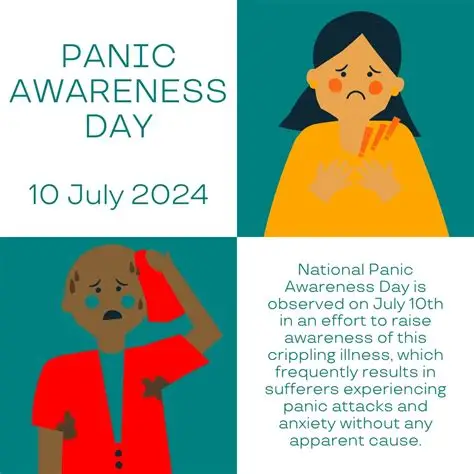
”Mental health organizations across South Africa are uniting for Panic Awareness Day to educate the public about panic disorders, reduce stigma, and promote early intervention. Experts warn that misdiagnosis and cultural stigma remain major barriers, but emphasize that panic disorder is highly treatable with proper care.”
On July 10, 2026, South Africa’s mental health community observed Panic Awareness Day, a campaign designed to shine a spotlight on panic disorder and anxiety conditions that affect millions of citizens. With statistics showing that between 16% and 23% of South Africans experience panic attacks or anxiety disorders during their lifetime, the initiative underscores the urgent need for awareness, accurate diagnosis, and accessible treatment.
The Scope of the Challenge
- Prevalence: Panic disorder affects up to 4% of South Africans daily, making it one of the most common anxiety-related conditions.
- Misdiagnosis: Many cases are mistaken for thyroid problems, cardiovascular issues, or blood sugar fluctuations, delaying effective treatment.
- Gender Divide: Women are twice as likely to experience panic disorder, but men often underreport symptoms due to stigma.
Voices from the Movement
- Zane Wilson, founder of SADAG, shared her personal journey of living with panic attacks for over a decade before receiving an accurate diagnosis. She emphasized that panic disorder, while terrifying, is highly treatable.
- Dr. Colinda Linde, clinical psychologist and SADAG board chairperson, highlighted the effectiveness of cognitive behavioural therapy (CBT) in helping patients reframe their responses to panic symptoms.
Treatment and Support
- CBT: Teaches individuals to recognize early sensations and reframe them as temporary unease rather than impending catastrophe.
- Medication: Antidepressants and anti-anxiety medications are often prescribed, though therapy remains the cornerstone of treatment.
- Helplines: SADAG operates nationwide toll-free helplines: 0800 567 567 and 0800 456 789, offering counselling and referrals.
Breaking the Stigma
South Africa’s socioeconomic stressors—unemployment, inequality, and violence—compound mental health struggles. Advocates argue that normalizing conversations about anxiety is the most critical step toward ensuring individuals do not suffer in silence.
The Danger of Silence
Without intervention, panic disorder can lead to:
- Isolation due to fear of attacks in public spaces.
- Workplace discrimination, as highlighted by recent court rulings enforcing employer responsibility for mental health accommodations.
- Escalation into depression or substance abuse, worsening the burden on families and communities.
Global and Local Context
South Africa’s campaign aligns with global efforts to destigmatize anxiety disorders. However, the country faces unique challenges:
- Limited resources: Only 5% of the national health budget is allocated to mental health.
- Urban-rural divide: Rural communities lack access to psychiatric services, leaving millions untreated.
Looking Ahead
Experts call for:
- Integration of mental health into primary care to reduce stigma and improve accessibility.
- Youth empowerment campaigns to encourage early recognition and advocacy in schools and universities.
- Government accountability to expand funding and workforce capacity.
Conclusion
Panic Awareness Day serves as a reminder that panic disorder is not a weakness but a medical condition that can be managed with the right support. By breaking stigma, improving diagnosis, and expanding access to care, South Africa can ensure that millions of citizens reclaim control over their lives.



