




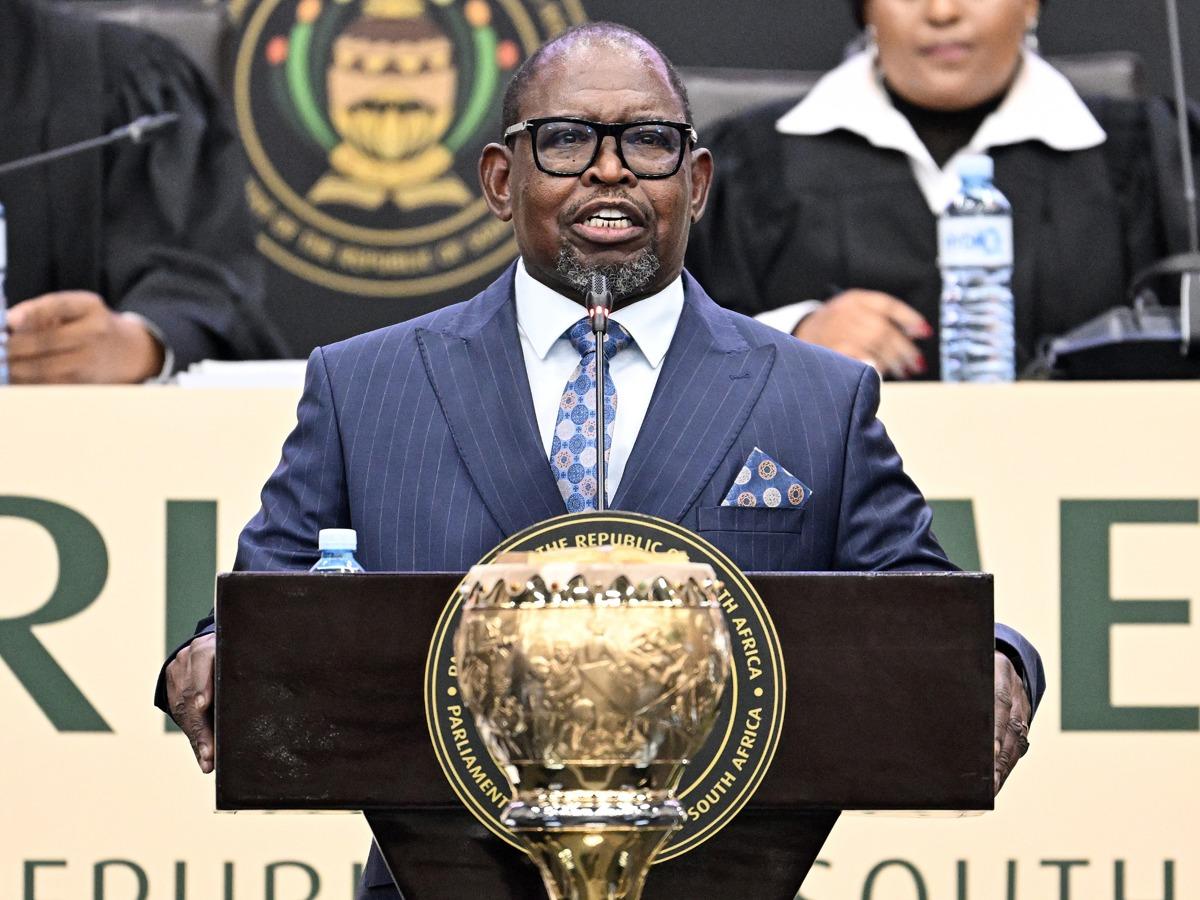
“South Africa’s National Treasury has proposed substantial reforms to the laws governing public and municipal finances, aiming to strengthen accountability, improve financial management and intervene earlier when municipalities face financial distress. The proposals, announced alongside Finance Minister Enoch Godongwana’s Medium-Term Budget Policy Statement on 21 October 2026, could have important consequences for municipal leadership, public spending and the delivery of essential services.”
South Africa’s proposed financial reforms put municipal governance and accountability under scrutiny
South Africa’s proposed public finance reforms have brought municipal governance, financial accountability and the management of public resources into sharper focus. National Treasury announced plans to modernise the Public Finance Management Act (PFMA) and the Municipal Finance Management Act (MFMA), seeking to address persistent weaknesses in financial administration across government.
The proposals form part of a wider reform programme outlined by Finance Minister Enoch Godongwana during the presentation of the Medium-Term Budget Policy Statement on 21 October 2026. According to Treasury and reports by Business Day and Eyewitness News, the changes are intended to improve financial discipline, clarify the responsibilities of public officials and strengthen intervention when municipalities experience financial difficulties.
The development is significant because municipalities occupy a central position in South Africa’s system of democratic governance. They are responsible for delivering essential services, including water, sanitation, refuse collection, electricity distribution in many areas, local roads and community infrastructure. Their ability to fulfil these responsibilities depends heavily on effective administration, reliable revenue collection and the responsible use of public funds.
When municipal finances deteriorate, the consequences extend beyond accounting problems. Residents can experience service interruptions, deteriorating infrastructure, delayed maintenance and growing uncertainty about whether local government can meet its obligations.
The proposed reforms therefore raise a fundamental governance question: how can the state ensure that public officials manage resources responsibly while making it easier to intervene before financial problems become unmanageable?
Modernising public financial management
One of the central elements of the reform programme is the comprehensive modernisation of the PFMA, which establishes important financial management responsibilities for national and provincial government departments and public entities.
Treasury says the proposed changes draw on more than two decades of experience implementing the legislation, including lessons from investigations into state capture. The intended objectives include clearer accountability, stronger enforcement, improved institutional capacity and long-term fiscal sustainability.
The proposals seek to clarify the respective responsibilities of accounting officers, boards and executive authorities. Such clarification matters because public institutions often involve several layers of political leadership, executive decision-making and administrative responsibility.
Where these roles are unclear, it can become difficult to establish who was responsible for a particular decision, whether established procedures were followed and what corrective action is required when financial irregularities occur.
Stronger statutory responsibilities could make it easier to identify failures and hold the appropriate officials accountable. However, the practical impact will depend on the final legislative wording, enforcement capacity and willingness to apply the rules consistently.
Treasury also intends to strengthen its ability to respond to financial misconduct and persistent non-compliance. The proposals include protections for accounting officers who make lawful decisions in good faith, recognising that officials must be able to exercise their professional responsibilities without automatically facing personal consequences for legitimate decisions.
This balance is important. Effective accountability requires consequences for misconduct, but it must also protect professional officials from inappropriate political pressure.
Municipal financial distress becomes a priority
The second major focus is the modernisation of the MFMA, which governs financial management at municipal level.
Treasury’s proposals are intended to improve budget credibility, revenue collection, financial oversight and intervention when municipalities encounter serious financial difficulties. Municipalities would be required to demonstrate that their budgets are genuinely funded, reinforcing the principle that spending commitments must be supported by realistic revenue expectations.
A budget that looks balanced on paper but relies on unrealistic income projections can undermine the credibility of municipal planning. When expected revenue does not materialise, municipalities may struggle to pay suppliers, maintain infrastructure or provide essential services.
The proposed legislation also aims to establish clearer mechanisms for investigating financial misconduct, recovering losses and addressing persistent financial instability.
According to Business Day, the reform initiative follows a broader policy shift towards more active intervention in underperforming municipalities. Rather than relying exclusively on conventional oversight, the government is seeking stronger mechanisms to address weaknesses before they become more severe.
Earlier intervention could help prevent a municipality’s financial difficulties from spreading through its operations. Nevertheless, intervention must be based on clear legal authority, credible evidence and appropriate safeguards.
National and provincial authorities will need to distinguish between municipalities facing temporary financial pressure, those suffering from structural economic constraints and those experiencing serious administrative failures or financial misconduct.
These situations may require different responses. A municipality with a narrow revenue base may need a realistic recovery plan, while an institution affected by deliberate wrongdoing may require investigations and enforcement.
Greater scrutiny of municipal finance leadership
One of the most significant proposals reported by Eyewitness News concerns Treasury’s intended role in municipal chief financial officer appointments.
The proposed changes would give National Treasury a greater role in the appointment of municipal chief financial officers, with the stated objective of addressing weak financial management. The precise arrangements will depend on the legislative process and the final provisions adopted.
Chief financial officers play an important role in preparing budgets, managing financial reporting, monitoring expenditure and supporting compliance with financial legislation. Their work can help municipal leadership identify risks before those risks become serious operational problems.
However, strengthening financial leadership is not simply a matter of changing appointment procedures. Municipalities also require qualified personnel, adequate administrative resources, dependable financial systems and a professional working environment.
The proposed changes could improve consistency and competence if they establish transparent selection criteria and protect professional independence. Conversely, unclear responsibilities between national authorities and municipal leadership could create new administrative complications.
The reform process will therefore need to explain how appointments will be assessed, who will exercise final authority, how conflicts of interest will be managed and how municipal accountability will be maintained.
Political responsibility and financial misconduct
The reform proposals also place greater emphasis on consequences for financial misconduct and unauthorised or wasteful expenditure.
Reports on the announcement indicate that Treasury intends to strengthen mechanisms for holding political office-bearers and board members accountable for financial failures, alongside stronger investigation and recovery processes. The final legal framework will determine how individual responsibility is established and enforced.
This is a significant issue for democratic governance. Public money is collected and allocated to serve residents, fund infrastructure and support public institutions. When it is mismanaged, taxpayers and communities can bear the consequences.
Nevertheless, accountability must be grounded in evidence and due process. An official should not automatically be held personally liable simply because an institution has experienced financial losses. Investigations must establish the relevant decisions, duties, conduct and legal responsibilities.
A credible enforcement system should also apply consistently, irrespective of political affiliation, seniority or institutional influence.
Transparent investigation procedures and public reporting of outcomes would help demonstrate whether the reforms are producing meaningful improvements rather than simply creating new rules.
The connection between finances and service delivery
The wider significance of municipal financial reform lies in its potential effect on services.
Municipalities need functioning financial systems to pay contractors, maintain water networks, repair roads, manage waste and invest in public infrastructure. When revenues are not collected effectively or expenditure is poorly controlled, these responsibilities become harder to fulfil.
Treasury has also highlighted efforts to improve billing accuracy and reduce revenue losses through its Smart Meters Grant Programme. The government reported that 247,206 meters had been installed across 28 municipalities, with an estimated 3,734 local installation jobs created.
More accurate metering can help municipalities understand consumption, improve billing and identify losses. However, technology alone cannot resolve deeper governance problems. Effective billing must be accompanied by reliable customer records, fair dispute-resolution processes, sound maintenance and responsible use of collected revenue.
The government also faces the challenge of ensuring that public institutions pay verified amounts owed to municipalities. Treasury reported that municipalities had indicated that public bodies owed local government R27.6 billion as of 31 December 2025, with more than half reportedly owed by provincial departments. These are reported amounts, and verification remains important before treating every claimed amount as an established liability.
Resolving legitimate outstanding payments could improve municipal cash flow and reduce pressure on service delivery budgets.
Implementation will determine whether reforms succeed
Although the proposed legislation signals a stronger approach to public financial management, legislative amendments alone cannot guarantee better governance.
The reforms will require clear implementation plans, adequate staffing, effective financial systems and cooperation between national, provincial and municipal authorities. Officials must understand their responsibilities, while oversight institutions must have sufficient capacity to identify problems and follow through on their findings.
Public consultation is also important. Municipal associations, professional bodies, civil society organisations and residents can help identify practical challenges and assess whether proposed rules are workable.
Transparency should remain central throughout the process. Publishing draft legislation, explaining proposed changes in accessible language and reporting on the progress of municipal recovery plans would help the public assess whether the reforms are achieving their stated objectives.
The government will also need measurable indicators of progress. These could include improvements in funded budgets, fewer instances of unauthorised expenditure, better collection of municipal revenue, more reliable financial statements and demonstrable improvements in essential services.
Such measures would help distinguish between administrative activity and genuine institutional improvement.
Conclusion: Accountability must translate into better governance
South Africa’s proposed PFMA and MFMA reforms represent an important effort to strengthen financial discipline, clarify responsibilities and improve responses to struggling municipalities.
The proposals could help establish a more effective framework for identifying financial risks, investigating misconduct and supporting public institutions that need intervention. Their success, however, will depend on the final legislation, fair enforcement, professional administration and sustained political commitment.
For residents, the ultimate test is whether improved financial management leads to more dependable services, better-maintained infrastructure and greater confidence in local government.
For public officials, the reforms could bring clearer duties and stronger scrutiny, alongside the need for adequate professional support and protection for lawful decisions.
As the proposals progress through the legislative process, the key governance question will be whether stronger oversight produces measurable improvements in how public money is managed. South Africans will have reason to judge the reforms not only by the laws introduced, but also by whether municipalities become more transparent, financially responsible and capable of delivering the services their communities need.



