




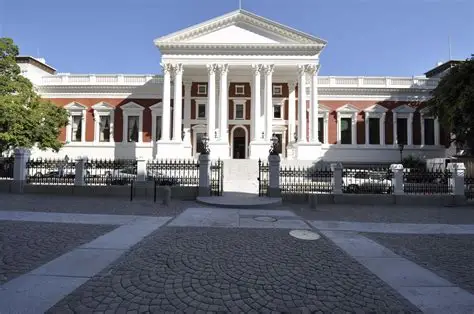
“South Africa’s National Assembly convened a summit on July 16, 2026, to deliberate shifting budgetary control of democracy institutions from the executive to Parliament. The reform aims to bolster independence, reduce political interference, and enhance investor confidence in governance.”
South Africa’s governance landscape reached a pivotal moment this week as Parliament debated a sweeping reform: transferring budgetary oversight of democracy-supporting institutions from the executive branch to legislative control. This move, rooted in recommendations from the Kader Asmal Ad-hoc Committee Report, has sparked intense debate among lawmakers, civil society, and investors. At stake is the independence and credibility of institutions tasked with safeguarding democracy.
Background: Chapter 9 Institutions
Chapter 9 of South Africa’s Constitution establishes democracy-supporting institutions, including:
- South African Human Rights Commission (SAHRC)
- Public Protector
- Auditor-General
- Commission for Gender Equality
- Independent Electoral Commission (IEC)
These bodies oversee electoral integrity, fiscal audits, human rights compliance, and governance standards. Yet, their funding structures have long tied them to the executive branch, raising concerns about compromised independence.
The Budget Debate
Currently, budgets for these institutions are allocated through executive channels, creating dependency. The proposed reform would redraw accountability lines, ensuring institutions answer to Parliament rather than the executive. Advocates argue this shift would:
- Strengthen institutional independence
- Reduce political interference
- Enhance investor confidence in South Africa’s regulatory environment
Critics, however, warn of potential inefficiencies and politicization within Parliament itself.
Appointment and Removal Procedures
Beyond budgets, the summit addressed harmonization of appointment and removal procedures across institutions. Presently, inconsistencies allow room for executive influence in commissioner selection. Standardizing these processes would:
- Reduce governance risks
- Strengthen institutional credibility
- Ensure transparent and consistent practices
Stakeholder Perspectives
- Civil Society: Human rights groups welcomed the reform, noting that executive control has historically undermined watchdog institutions.
- Investors: Business leaders emphasized that stronger independence could improve South Africa’s investment climate.
- Opposition Parties: Opposition MPs argued that Parliament must seize this opportunity to restore public trust in democracy-supporting institutions.
- Executive Officials: Some Cabinet members cautioned against weakening the executive’s ability to coordinate governance.
Implications for Governance
If adopted, the reform could reshape South Africa’s governance framework by:
- Empowering Parliament to act as a stronger check on executive power
- Enhancing transparency in budget allocations
- Reducing duplication among institutions through consolidation
Challenges Ahead
Despite broad support, challenges remain:
- Political Resistance: The executive may resist ceding budgetary control.
- Capacity Concerns: Parliament must demonstrate it has the capacity to manage complex institutional budgets.
- Implementation Risks: Transitioning oversight could create short-term instability.
Conclusion
The July 16 summit marks a turning point in South Africa’s democratic journey. By debating budgetary oversight reform, Parliament has signaled its commitment to strengthening democracy-supporting institutions. Whether the reform is adopted will depend on political will, public support, and the ability of lawmakers to navigate complex governance challenges. If successful, the move could redefine South Africa’s democratic architecture for decades to come.



