




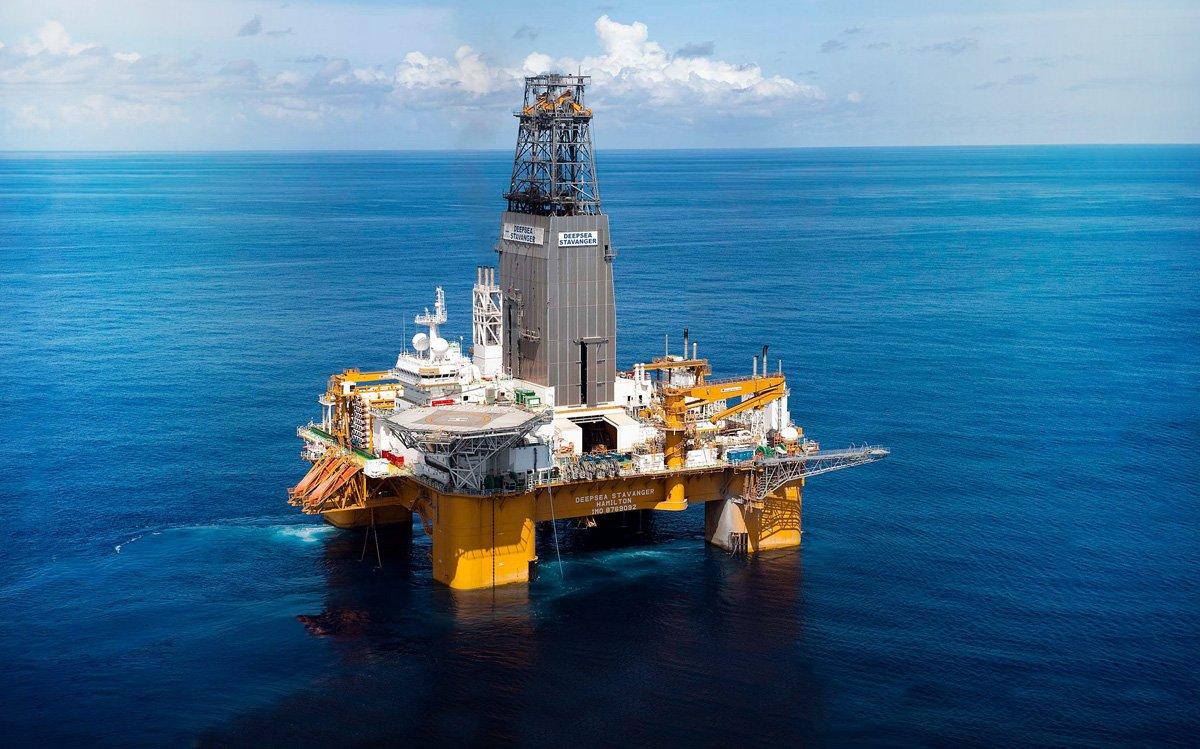
“South Africa’s environment minister has rejected appeals from conservationists challenging the environmental authorisation for exploration in TotalEnergies-operated Block 3B/4B off the country’s West Coast. The decision allows the exploration programme to proceed through this stage of the regulatory process, while concerns about possible impacts on marine ecosystems remain central to the debate.”
South Africa’s Offshore Energy Decision Reopens Debate Over Oil Exploration, Jobs and Marine Protection
South Africa advances offshore exploration after environmental appeals are rejected
South Africa’s offshore energy sector has received a significant regulatory development following the rejection of appeals challenging an environmental authorisation for exploration in Block 3B/4B, an offshore area operated by French energy company TotalEnergies. The decision, made by Environment Minister David Maynier on 13 October 2026, was reported by Reuters on 16 October. It represents an important step for the companies seeking to investigate potential oil and gas resources along the country’s West Coast.
The decision comes amid continuing national discussions about energy security, investment, economic development and environmental responsibility. While offshore exploration could help establish whether commercially recoverable petroleum resources exist, it does not guarantee that a viable oil or gas discovery will be made, that production will follow, or that any resulting development would lower energy prices.
For South Africa, the immediate issue is therefore not simply whether exploration should proceed. It is also whether the country can manage the environmental, economic and social consequences of offshore activities while developing a dependable and diversified energy system.
What the minister’s decision means
According to Reuters, approximately 47 individuals and environmental organisations, including Greenpeace Africa, appealed against the environmental authorisation granted in 2024 for exploration in Block 3B/4B. That authorisation allows for the drilling of up to five exploration wells in the area. The original authorisation involved Africa Oil SA Corp, Ricocure and Azinam, with TotalEnergies and QatarEnergy subsequently acquiring participating interests.
Maynier dismissed the appeals but imposed conditions concerning assessments of food security and the livelihoods of coastal communities. These conditions are particularly relevant because fishing and related activities contribute to local employment, household incomes and the cultural identity of coastal settlements.
The ruling does not itself establish that commercially recoverable oil or gas has been found. Exploration drilling is intended to gather geological information and determine whether hydrocarbons may be present in quantities and conditions that could support future development.
Furthermore, the decision does not remove every possible legal obstacle. Reuters reported that parties dissatisfied with the minister’s determination can seek judicial review through the courts. The possibility of further legal proceedings means that the regulatory position should not be confused with an unconditional guarantee that all planned operations will proceed without interruption.
TotalEnergies welcomed the decision and indicated that it would work with authorities to meet applicable requirements, including environmental monitoring and marine protection. Greenpeace Africa, by contrast, criticised the outcome, describing it as a failure of environmental governance and a threat to the West Coast.
These contrasting reactions illustrate the central disagreement surrounding offshore petroleum development: how should South Africa weigh the possibility of economic gains against environmental risks that could affect communities for years?
Why offshore energy matters to South Africa
South Africa has historically relied heavily on coal for electricity generation, while petroleum products remain important for transport, industrial operations and other economic activities. Natural gas also features in discussions about future energy supply, particularly where flexible generation could complement variable renewable sources.
Exploring offshore resources is one way policymakers and companies are investigating whether domestic petroleum production could eventually contribute to the national energy mix. Successful discoveries might create opportunities for investment, technical services, infrastructure development and employment.
However, the potential benefits remain conditional. Exploration can be expensive, technically complex and unsuccessful. Even when hydrocarbons are discovered, commercial development depends on the size and quality of the resource, extraction costs, available infrastructure, financing, market prices and regulatory approval.
For this reason, the Block 3B/4B decision should be understood as a step in the exploration process rather than proof that South Africa has secured a new source of domestic energy.
The distinction is economically important. Public expectations can rise when offshore projects receive regulatory approval, but the period between exploration and possible commercial production may involve further studies, investment decisions, engineering work and additional permissions.
A credible national energy strategy must therefore avoid treating prospective resources as though they were already producing oil or gas.
Environmental risks remain central to the debate
The West Coast supports marine ecosystems and communities whose livelihoods depend on ocean resources. Potential impacts associated with offshore exploration can include underwater noise, disturbance to marine organisms, operational discharges, vessel activity and accidental pollution.
The scale and likelihood of these impacts depend on the particular operation, its location, the technology used and the effectiveness of safeguards. The existence of a potential risk does not establish that damage will occur, but responsible planning requires those risks to be evaluated before activities begin.
Oil spills are among the most serious concerns associated with offshore petroleum development. Depending on the volume released, the type of petroleum, ocean conditions and the effectiveness of the response, pollution can affect marine wildlife, coastal habitats, fishing grounds and tourism-related activities.
Even a spill that does not reach a densely populated shoreline may create economic consequences if fishing activity is disrupted or consumers become concerned about seafood safety.
Consequently, environmental protection requires more than a general commitment to responsible operations. It depends on enforceable standards, independent oversight, emergency preparedness, transparent reporting and the ability to respond rapidly when incidents occur.
Marine monitoring is also important because offshore operations can take place far from shore, where environmental changes may be difficult for communities to observe directly. Reliable monitoring can help regulators establish baseline conditions, assess possible changes and determine whether companies are meeting their obligations.
The conditions attached to the latest appeal decision concerning food security and coastal livelihoods make these issues particularly significant.
Coastal communities need meaningful protection
For communities along the West Coast, the debate extends beyond national energy policy. Fishing provides income and employment, supports local businesses and contributes to established ways of life.
Small-scale fishers may be especially vulnerable to disruptions because their livelihoods can depend on particular fishing grounds, seasonal patterns and access to local markets. They may also have fewer financial resources than larger commercial operators to absorb unexpected losses.
If offshore exploration expands, affected communities need clear information about planned activities, possible restrictions, environmental monitoring and complaint procedures. Consultation should take place early enough to influence decisions rather than merely inform residents after important approvals have been made.
Food security deserves particular attention. Where households depend on fishing for income or access to affordable seafood, changes in fish availability or public confidence in marine products could have wider consequences. These outcomes should be assessed carefully rather than assumed.
Government agencies and project developers can strengthen public confidence by publishing understandable environmental information, explaining the measures used to protect fisheries and providing clear channels through which residents can raise concerns.
Where legally required compensation, mitigation or other protections apply, their implementation should be transparent and accessible. Communities also need to know which institutions are responsible for investigating complaints and enforcing compliance.
The objective should be to ensure that national economic ambitions do not leave coastal residents carrying disproportionate environmental or financial risks.
Investment and employment opportunities are possible, not guaranteed
Offshore exploration can generate demand for specialised services, including marine logistics, engineering, geological analysis, equipment maintenance, environmental assessment and technical support.
If commercially viable resources are discovered and later developed, the industry could create additional opportunities across supply chains. Domestic companies might participate in procurement, while technical training could help workers develop skills relevant to offshore operations.
Nevertheless, the actual scale of these benefits will depend on project outcomes and how investment is structured. Exploration programmes often require specialised equipment and highly trained personnel, meaning that not every job or contract will automatically go to local workers.
South Africa would need to consider how local businesses could compete for contracts, how workers could access relevant training and how skills development could support employment beyond a single project.
Economic benefits should also be evaluated against public costs and risks. These include the demands placed on regulators, emergency response capabilities and environmental monitoring systems. Long-term planning should account for the possibility that a project does not result in commercial production.
Transparent assessments of employment, procurement and investment would help distinguish realistic opportunities from promotional claims.
The relationship with renewable energy
The offshore exploration decision also raises questions about how petroleum development fits within South Africa’s wider energy transition.
Renewable electricity from solar and wind, supported by storage and stronger transmission infrastructure, can help diversify electricity supply and reduce reliance on coal-fired generation. Gas may offer flexibility in some electricity systems, although its climate impact depends on how it is produced, transported and used.
Oil and gas exploration should not be treated as a substitute for expanding renewable energy, improving electricity networks or increasing energy efficiency. Nor does a possible offshore discovery automatically establish that the resource would be suitable or economical for domestic electricity generation.
Oil is particularly important in transport and petrochemical applications, while gas can serve different industrial and power-generation purposes. The value of any discovery would depend on its composition, scale, development costs and available markets.
South Africa therefore needs to assess offshore petroleum opportunities alongside its electricity procurement plans, climate commitments, industrial needs and long-term infrastructure requirements.
Investment decisions should be based on transparent comparisons of costs, risks, reliability and environmental consequences. A balanced approach would allow policymakers to investigate potential domestic resources without weakening efforts to develop cleaner and more resilient energy supplies.
Regulation and public accountability will shape the outcome
The rejection of the appeals does not end the discussion about environmental governance. Instead, it places greater importance on how the authorisation conditions are implemented and how compliance is assessed.
South African law provides for judicial review of the minister’s decision, according to Reuters.
Any further legal proceedings could clarify questions about the adequacy of assessments, the treatment of community concerns and the requirements applicable to offshore operations.
For investors, clear and consistent regulation is important because offshore exploration involves substantial financial commitments and long planning periods. For communities and conservation organisations, credible oversight is necessary to ensure that authorisations are implemented responsibly.
These interests are not necessarily incompatible. Predictable regulations, reliable scientific information and transparent decision-making can reduce uncertainty for businesses while improving public confidence.
However, effective oversight requires sufficient technical capacity and the willingness to enforce conditions when standards are not met. Monitoring results should be communicated clearly, and material environmental incidents should be reported promptly.
Public trust will depend not only on the formal approval of exploration but also on the quality of implementation.
What happens next?
The immediate priority is to establish how the exploration programme will proceed under the applicable authorisation and its conditions. TotalEnergies has indicated its willingness to work with authorities on compliance, environmental monitoring and marine protection.
The next stages will depend on operational planning, regulatory requirements, any further legal challenges and the technical findings produced by exploration. Drilling results, if obtained, would need to be evaluated before conclusions could be drawn about the presence and commercial potential of hydrocarbons.
The public should also distinguish between exploration approval, a confirmed discovery and commercial production. Each represents a different stage, with its own financial, environmental and regulatory considerations.
For coastal communities, the implementation of safeguards concerning food security and livelihoods will be an important measure of whether their concerns are being addressed. For the government, the challenge will be to demonstrate that energy development and environmental responsibilities are being considered together.
For the energy sector, the decision offers greater clarity at one point in the regulatory process, but it does not resolve every uncertainty surrounding offshore petroleum development in South Africa.
Conclusion
South Africa’s rejection of appeals against exploration in TotalEnergies-operated Block 3B/4B is a significant development in the country’s search for potential domestic energy resources. It allows the project to move forward through the relevant regulatory process while leaving environmental protection, community livelihoods and possible legal review as important considerations.
The economic case for offshore exploration depends on what subsequent technical work establishes, not simply on the granting of authorisation. Similarly, environmental responsibility must be demonstrated through effective safeguards, monitoring and accountability rather than assurances alone.
Ultimately, the success of South Africa’s energy strategy will depend on its ability to balance investment opportunities with the protection of marine ecosystems and the people who rely on them. Offshore exploration may offer potential benefits, but those benefits remain uncertain until the necessary evidence is available.
Word-count note: This is a substantial original news analysis, but I cannot guarantee that it is exactly 1,200 words. The article is based on the reported decision and supporting background sources, not on invented claims about drilling results or future production.



