




“South Africa’s International Relations Minister Ronald Lamola has demanded urgent reform of the UN Security Council, insisting that Africa deserves permanent representation with full membership prerogatives. His address at the UN General Assembly echoed BRICS’ New Delhi Declaration, which calls for fairer global governance and stronger voices for the Global South.”
On September 24, 2026, South Africa’s Minister of International Relations and Cooperation, Ronald Lamola, delivered a powerful address at the 81st United Nations General Assembly (UNGA). His speech centered on a long-standing demand: permanent African representation on the UN Security Council (UNSC). This call, deeply rooted in the Ezulwini Consensus and the Sirte Declaration, reflects Africa’s growing impatience with its marginalization in global governance structures.
Context: Africa’s Marginalization
Africa accounts for nearly 20% of the world’s population and represents over a quarter of UN member states. Yet, despite this demographic and political weight, the continent remains excluded from permanent UNSC membership. Lamola highlighted a striking imbalance: 70% of UNSC resolutions in the past decade have concerned African conflicts, yet Africans have no permanent voice in shaping those decisions.
BRICS Influence and Global Governance Reform
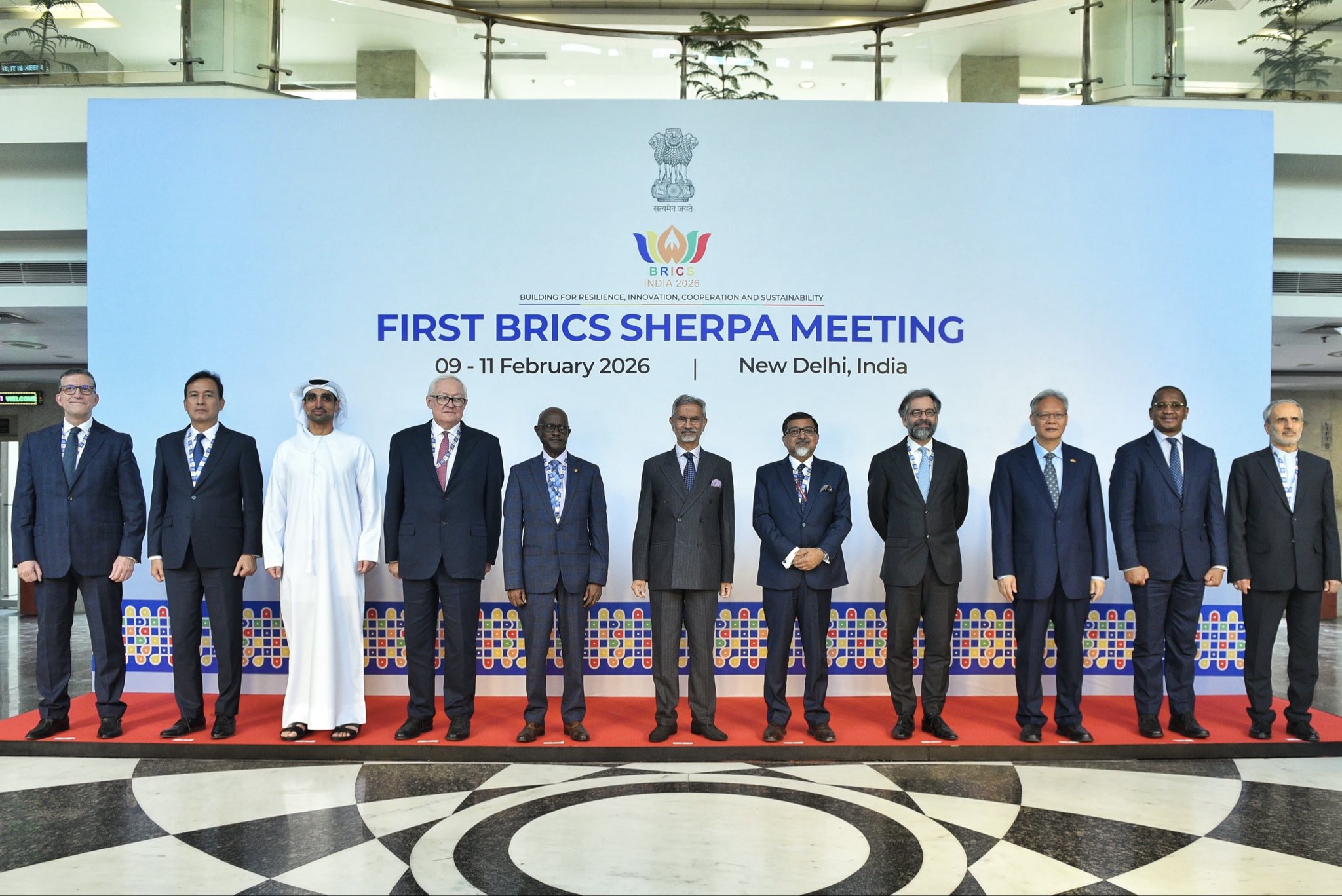
Lamola’s remarks were closely tied to the BRICS Summit in New Delhi earlier this month, where leaders adopted the New Delhi Declaration. This declaration emphasized reforming institutions like the UNSC, IMF, World Bank, and WTO to ensure fairer representation for developing nations. BRICS, whose combined GDP and population rival those of the G7, has become a critical platform for challenging Western dominance in global governance. South Africa’s alignment with BRICS strengthens its diplomatic leverage in pressing for reforms.
The Ezulwini Consensus and Sirte Declaration
The Ezulwini Consensus (2005) and Sirte Declaration (1999) remain Africa’s guiding frameworks for UNSC reform. They demand two permanent seats for Africa with veto powers and five non-permanent seats. Lamola reiterated South Africa’s unwavering support for these positions, stressing that “permanent seats for Africa in the Security Council, with all the prerogatives of permanent membership, are long overdue.”
Youth and Demographic Argument
Lamola underscored Africa’s demographic future: by 2030, one in four of the world’s youth will live in Africa. He argued that excluding such a dynamic and youthful continent from permanent UNSC representation undermines the legitimacy of global governance. Africa’s future role in shaping peace, security, and development cannot be ignored.
Analyst Perspectives
International relations analyst Gideon Chitanga noted that Lamola’s speech aligns with BRICS’ broader agenda of challenging post-WWII institutions dominated by Western powers. He emphasized that BRICS’ growing economic clout gives member states leverage to push reforms, and South Africa’s advocacy for Africa’s inclusion is both timely and strategically aligned with global shifts.
Implications for South Africa’s Diplomacy
South Africa’s stance positions it as a leading African voice in global reform debates. By championing Africa’s inclusion, Pretoria strengthens its credibility within the continent and enhances its diplomatic profile internationally. However, the challenge remains formidable: UNSC reform requires consensus among current permanent members, many of whom are reluctant to dilute their power.
Global Reactions
While African nations broadly support the Ezulwini Consensus, reactions from Western powers remain cautious. The United States, United Kingdom, and France have expressed openness to reform but stopped short of endorsing veto powers for new permanent members. China and Russia, both BRICS members, have shown more willingness to support Africa’s aspirations, though their positions remain nuanced.
Conclusion
Lamola’s UNGA speech marks a significant moment in South Africa’s international relations agenda. By linking Africa’s demand for UNSC reform to BRICS’ collective push for global governance transformation, Pretoria has amplified Africa’s voice on the world stage. Whether these calls translate into concrete reforms remains uncertain, but the urgency is undeniable: Africa’s exclusion from permanent UNSC membership is increasingly untenable in a multipolar world.



