




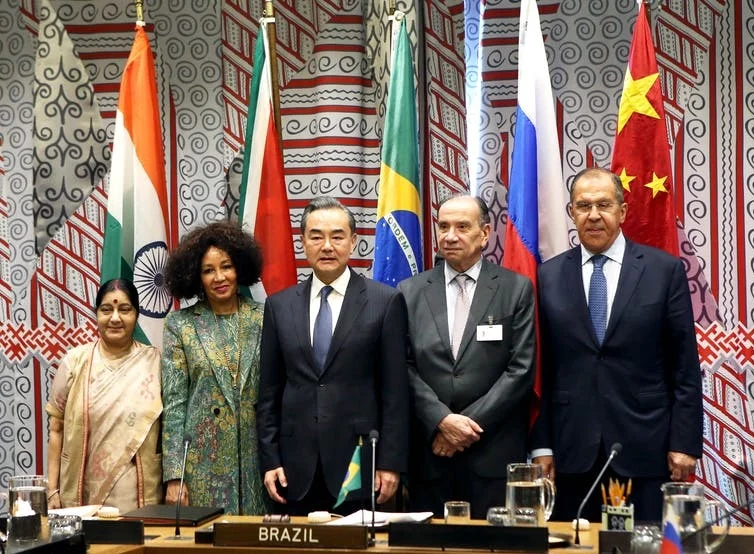
“Deputy President Paul Mashatile’s working visit to Beijing this week marks a pivotal moment in South Africa’s international relations, as the country seeks to align itself more closely with China’s global supply chain initiatives. The visit reflects Pretoria’s broader diplomatic strategy to balance BRICS cooperation with its commitments to Western partners, particularly the EU.”
Introduction
South Africa’s international relations are entering a decisive phase as Deputy President Paul Mashatile continues his working visit to Beijing, China, from June 20–26, 2026. This diplomatic mission is not merely ceremonial; it represents a calculated effort by Pretoria to strengthen ties with Beijing at a time when global supply chains are being reconfigured due to geopolitical tensions, technological shifts, and economic realignments.
Background: South Africa’s Diplomatic Strategy
South Africa has long positioned itself as a bridge between the Global South and Western powers. As a member of BRICS, Pretoria has cultivated strong ties with China, India, Brazil, and Russia, while simultaneously maintaining deep economic and political links with the European Union and the United States. This dual-track diplomacy allows South Africa to maximize trade opportunities, attract investment, and assert itself as a regional leader in Africa.
Mashatile’s visit to China comes at a critical juncture. Beijing has been aggressively promoting its role in global supply chains, particularly through initiatives like the Belt and Road Initiative (BRI) and the China International Supply Chain Expo (CISCE). South Africa’s participation signals its intent to secure a stronger foothold in these emerging frameworks.
Key Objectives of the Visit
- Economic Cooperation – South Africa is seeking greater access to Chinese markets for its exports, particularly in minerals, agriculture, and manufactured goods.
- Technology Transfer – Discussions are expected to focus on digital infrastructure, AI, and robotics, aligning with South Africa’s broader innovation agenda.
- Supply Chain Integration – By engaging with Chinese leaders, Pretoria aims to embed itself more deeply into global supply chains, reducing reliance on Western intermediaries.
- Political Alignment – The visit also reinforces South Africa’s commitment to BRICS solidarity, particularly as tensions between China and Western powers escalate.
Strategic Implications
South Africa’s pivot toward China has several implications:
- Regional Leadership: By aligning with Beijing, Pretoria strengthens its role as a gateway for Chinese investment into Africa.
- Economic Diversification: Greater integration with Chinese supply chains could reduce South Africa’s vulnerability to Western market fluctuations.
- Diplomatic Balancing Act: While deepening ties with China, South Africa must reassure Western partners that it remains committed to democratic values and transparent governance.
Challenges and Risks
Despite the opportunities, there are risks:
- Dependency Concerns: Overreliance on China could expose South Africa to economic coercion.
- Western Pushback: The EU and US may view Pretoria’s deepening ties with Beijing as a threat to their influence in Africa.
- Domestic Criticism: Opposition parties in South Africa may argue that closer ties with China undermine democratic accountability.
Reactions from Stakeholders
- Business Leaders: Many South African companies welcome the potential for expanded trade with China, particularly in mining and agriculture.
- Civil Society: Some NGOs caution against human rights compromises in pursuit of economic gains.
- International Partners: The EU has expressed interest in maintaining strong cooperation with South Africa, even as Pretoria deepens ties with Beijing.
Conclusion
Deputy President Mashatile’s visit to China is emblematic of South Africa’s evolving international relations strategy. By engaging with Beijing at the highest levels, Pretoria is signaling its intent to play a more assertive role in global supply chains and international diplomacy. The challenge will be to balance these ambitions with its commitments to Western partners, ensuring that South Africa remains a credible and independent actor on the global stage.



