




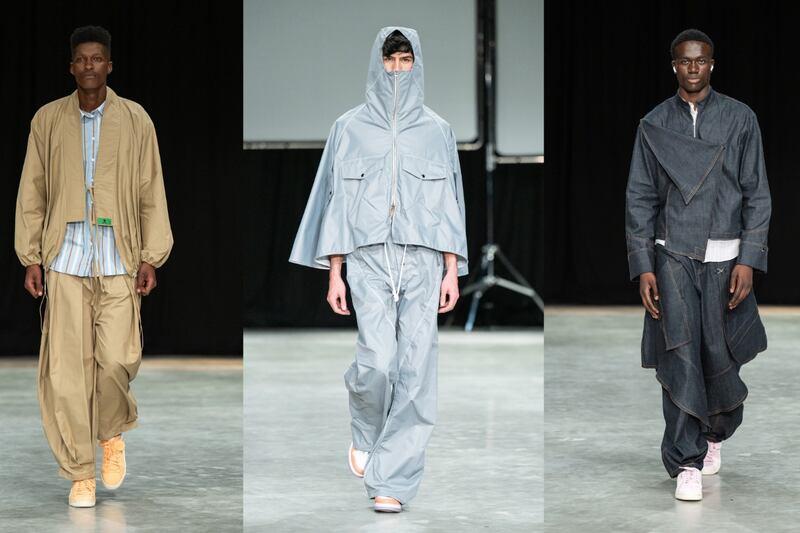
“South African Fashion Week’s Autumn/Winter 2027 collections have placed local craftsmanship, expressive styling, sculptural tailoring and contemporary African creativity at the centre of the country’s fashion conversation. Following the event’s conclusion on 25 October, designers including Gert-Johan Coetzee and Black Coffee showcased contrasting approaches to modern fashion, while emerging designers and a collaboration with Pierre Cardin highlighted opportunities for South African talent.”
South African Fashion Trends 2026: Local Designers Embrace Dramatic Silhouettes, Sustainability and African Identity
South African fashion is entering an exciting period of creative expression, with designers combining bold silhouettes, experimental materials, sustainable practices and cultural storytelling to shape the latest trends. The recently concluded South African Fashion Week Autumn/Winter 2027 showcase has provided a significant snapshot of these developments, demonstrating how local designers are using fashion to express individuality, heritage and contemporary lifestyles.
The event, held in Johannesburg from 20 to 25 October, brought together established designers, emerging talent, fashion enthusiasts and industry representatives. Coverage published on 27 October highlights the creative direction of the collections, particularly the dramatic return of Gert-Johan Coetzee, the architectural precision of Black Coffee and the environmentally conscious approach of Fundudzi by Craig Jacobs.
Gert-Johan Coetzee returns with theatrical fashion
One of the most talked-about developments from the event was the return of celebrated South African designer Gert-Johan Coetzee, whose collection, Reflection, closed the fashion week programme.
His comeback carried personal significance following a period away from public fashion appearances while receiving medical treatment. The collection therefore represented more than a seasonal presentation: it offered an opportunity to explore personal change, identity and the relationship between life experiences and creative expression.
According to reporting by Sowetan and The Citizen, the collection featured dramatic bridal-inspired garments, sculptural shapes, contrasting colours and unusual surface treatments. Emerald and other jewel-toned shades appeared alongside pink, aqua, black and white, creating visual contrasts between romantic elegance and futuristic experimentation.
The collection also explored texture as a defining fashion element. Tactile accessories, unconventional embellishments and distinctive footwear demonstrated how materials can transform familiar garments into striking statements.
Bridal fashion remained particularly prominent. Elaborate gowns, dramatic veils, petal-like details and candle-inspired shapes emphasised the designer’s established interest in occasionwear. Rather than relying exclusively on traditional bridal silhouettes, the presentation used exaggerated proportions and imaginative construction to create a theatrical effect.
These designs illustrate a broader trend in contemporary fashion: clothing is increasingly used to communicate a mood, a personal story or a particular identity. Statement pieces are not necessarily designed for everyday wear, but they can influence mainstream fashion through their colours, textures and proportions.
For South African consumers, this trend may inspire more expressive eveningwear, distinctive accessories and wedding outfits that reflect personal preferences rather than conventional expectations.
Architectural tailoring makes a strong statement
Another important direction emerging from the fashion week collections is architectural tailoring. The approach uses precise construction, sculptural folds, structured shapes and carefully considered proportions to give garments a distinctive form.
Black Coffee, the South African fashion label led by designer Jacques van der Watt, demonstrated this direction through its Unfolding collection. Its presentation emphasised sculptural silhouettes and carefully constructed garments, with Joburg Ballet dancers helping showcase the relationship between clothing and movement.
This presentation highlighted how fashion can extend beyond a conventional runway walk. Dance allowed audiences to see how garments respond to movement, how fabric holds its shape and how tailoring affects the body’s visual lines.
Architectural design also offers an alternative to clothing dominated by prominent logos or short-lived online aesthetics. The emphasis shifts towards craftsmanship, construction and the physical qualities of a garment.
In practical terms, this trend may translate into structured jackets, sculpted sleeves, carefully pleated skirts, tailored trousers and outerwear with distinctive proportions.
For working professionals and fashion-conscious consumers, architectural tailoring can offer versatility. A structured jacket can be paired with simple trousers for a formal appearance or styled with denim for a more relaxed outfit.
The key is balance. A garment with strong shoulders or dramatic folds can become the focal point of an outfit when combined with understated accessories and complementary colours.
Sustainability becomes part of the fashion conversation
Sustainability was another important theme at South African Fashion Week, particularly through Fundudzi by Craig Jacobs and its collection, The New Earth.
The presentation encouraged audiences to reconsider how clothing is used, reused and transformed. According to Sowetan’s coverage, models interchanged clothing pieces to construct new garments, demonstrating how existing items can be reimagined instead of immediately discarded.
This approach reflects growing international attention to the environmental impact of fashion production and consumption. The Geneva Environment Network notes that textile production contributes to pollution, waste generation, resource consumption and greenhouse gas emissions, reinforcing the need for more sustainable industry practices.
For South African designers, sustainability can involve using existing textiles, extending garment life, sourcing materials responsibly and producing clothing in quantities that better reflect demand.
Consumers can support this direction by repairing damaged clothes, shopping second-hand, exchanging garments and choosing versatile pieces that remain useful across multiple seasons.
However, sustainability requires more than presenting recycled materials on a runway. Meaningful progress also depends on transparent supply chains, responsible working conditions, durable construction and realistic production practices.
The challenge for the industry is to make sustainable fashion attractive, accessible and commercially viable. Designers must balance environmental responsibility with affordability, comfort and the expectations of different consumer groups.
Nevertheless, the visibility of sustainability at a major local fashion event suggests that responsible design can become an integral part of South African fashion rather than a separate niche.
African heritage influences contemporary design
South African fashion continues to draw inspiration from cultural identity, traditional dress, local craftsmanship and the experiences of different communities.
Dali Ngcebetsha’s collection, developed in collaboration with Navada Clothing, explored the contemporary narrative of the Xhosa initiation journey known as amakrwala. Its reported use of red-and-white checks, tartan-inspired tailoring, wide-legged trousers and distinctive headwear illustrated how cultural references can inform modern silhouettes.
The significance of this approach lies in its potential to present cultural narratives through contemporary design without limiting them to traditional clothing categories.
Designers can reinterpret heritage through colour, textile choices, construction techniques and symbolism. The resulting garments may appeal to consumers seeking clothing that communicates identity while remaining compatible with modern urban lifestyles.
This direction also creates opportunities for local textile producers, craftspeople and specialist manufacturers. When designers work with locally available skills and materials, fashion can help strengthen connections between creative expression and domestic production.
However, cultural inspiration also requires care. Designers benefit from understanding the histories and meanings behind the references they use, particularly when working with symbols associated with important cultural practices.
Authentic storytelling, collaboration and respect can help ensure that cultural references remain meaningful rather than becoming superficial decoration.
Colour and texture offer new styling possibilities
The latest collections also demonstrate the continued importance of colour, tactile surfaces and unexpected combinations.
Coetzee’s use of contrasting black-and-white designs, pink and aqua accents, green tones and dramatic embellishments illustrated how colour can change the character of an outfit. Textured bags, unusual footwear and decorative details added another layer of visual interest.
For everyday fashion, these ideas can be adapted without copying an entire runway look.
A consumer might combine a neutral outfit with one brightly coloured jacket, choose a textured handbag to complement a simple dress or use contrasting materials to add depth to a monochromatic appearance.
Texture is especially useful because it introduces variety without requiring numerous colours. Knitted fabrics, smooth leather-like finishes, structured cotton, wool and decorative surfaces can create contrast even when an outfit uses a limited palette.
Seasonal fashion is also becoming less dependent on buying entirely new wardrobes. Consumers can experiment with layering, accessories and different combinations of existing garments to create fresh looks.
This approach can support individual style while reducing unnecessary spending.
Emerging designers and international partnerships
The fashion week programme also highlighted the importance of developing the next generation of South African designers.
The event featured established names alongside newer creative voices, while the Pierre Cardin Young Designers Award initiative created an international development opportunity for South African fashion students. The official programme outlined a competition and workshop process intended to connect young designers with the Paris fashion house and offer the winner a three-month internship at its design studio.
Such initiatives matter because creativity alone does not guarantee a sustainable fashion business. Designers also need technical training, production knowledge, commercial planning, mentorship and access to customers.
Emerging designers must learn how to develop collections that can be manufactured consistently, priced appropriately and delivered to market. They must also understand how to communicate their work through digital platforms, fashion events, retail partnerships and professional networks.
Mentorship programmes can help bridge the gap between design education and commercial practice. They can also provide opportunities for experienced designers to share knowledge and strengthen the wider industry.
International partnerships offer additional exposure, but their long-term value will depend on whether participants can convert the experience into sustainable businesses, employment and further creative opportunities at home.
What the trends mean for South African consumers
The strongest message from South African Fashion Week is that contemporary style does not depend on following one uniform trend.
Consumers can draw inspiration from sculptural tailoring, expressive colours, heritage-inspired designs, statement accessories and more sustainable approaches to clothing.
For everyday wardrobes, the most practical strategy is to select trends that complement existing clothes and suit individual needs. A structured blazer, a well-made coat, a colourful accessory or a versatile pair of tailored trousers may provide more lasting value than purchasing an entire trend-driven outfit.
Consumers should also consider fabric quality, fit, durability and the occasions on which a garment will be worn. These factors can help make fashion purchases more useful and cost-effective.
Local designers and retailers, meanwhile, have an opportunity to translate runway creativity into products that meet different budgets. Accessible designs, clear product information and reliable manufacturing can help bridge the gap between fashion-week presentations and ordinary shopping.
Conclusion: South African fashion looks towards a more expressive future
The latest South African Fashion Week collections reveal a fashion landscape shaped by creative experimentation, craftsmanship, cultural storytelling and growing interest in sustainability.
Gert-Johan Coetzee’s dramatic return demonstrated the emotional power of fashion, while Black Coffee’s sculptural tailoring highlighted construction and movement. Fundudzi’s sustainability-focused presentation and heritage-inspired designs from emerging talent showed how local fashion can engage with broader environmental and cultural questions.
These developments do not establish a single trend that every South African consumer must follow. Instead, they offer a range of ideas that designers, retailers and individuals can interpret according to their tastes, resources and circumstances.
The next challenge is turning runway inspiration into lasting value through skilled production, responsible business practices, accessible design and stronger opportunities for emerging talent.
As South African designers continue to combine local identity with contemporary creativity, the country’s fashion industry has an opportunity to strengthen its domestic market while presenting distinctive perspectives to international audiences.



