




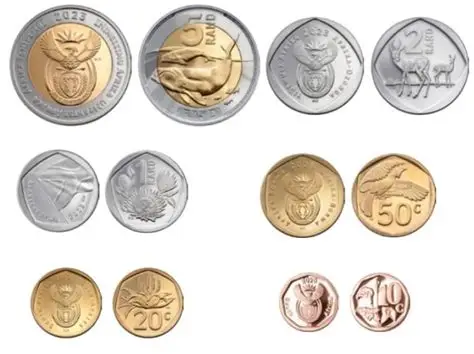
“The South African rand slipped in early trade as investors awaited Q2 GDP figures, which economists forecast to show a 0.1–0.2% contraction after modest growth in Q1. Weakness in mining, manufacturing, and energy sectors is expected to weigh on the economy, raising concerns about the sustainability of South Africa’s recovery.”
South Africa’s economy faces renewed scrutiny as the rand weakened against the dollar on September 8, 2026, ahead of the release of second-quarter GDP figures. Economists anticipate a contraction, ending six consecutive quarters of growth. This development comes at a critical juncture for the country, where fiscal reform, debt stabilization, and structural challenges intersect with global economic headwinds.
Rand Performance and Investor Sentiment
At 16.0375 per dollar, the rand fell 0.2% in early trade. Currency traders cite uncertainty around GDP data as the primary driver. The rand’s movement reflects investor caution, with markets pricing in weaker domestic output and potential implications for monetary policy.
- ETM Analytics noted that while headline GDP figures may appear modest, underlying momentum remains fragile.
- Nedbank economists forecast a contraction of 0.2%, citing weakness in mining, manufacturing, electricity, gas, and water supply.
Sectoral Breakdown
- Mining & Manufacturing – Both sectors continue to struggle with declining commodity prices and persistent load-shedding.
- Energy & Utilities – Electricity shortages and infrastructure bottlenecks weigh heavily on productivity.
- Agriculture & Services – Agriculture remains resilient, while parts of the services sector provide limited support.
This uneven performance underscores structural weaknesses in South Africa’s industrial base.
Fiscal Context
The contraction coincides with the government’s 2026 Budget Speech, which emphasized debt stabilization at 78.9% of GDP in 2025/26, with a projected decline below 75% within five years. Finance Minister Enoch Godongwana outlined reforms in energy, logistics, and infrastructure investment to support long-term growth.
Business Confidence and PMI Data
Recent surveys show business confidence stagnating at 38 index points, below the long-term average. The Absa Manufacturing PMI fell further in August, reflecting weak conditions. Vehicle sales, however, remained resilient, offering a glimmer of hope for consumer demand.
Global Influences
South Africa’s economic trajectory is also shaped by external factors:
- Eurozone inflation rose on renewed energy pressures.
- US and Eurozone PMI readings showed resilience, contrasting with China’s uneven recovery.
- Rising global bond yields increase borrowing costs for South Africa, complicating fiscal management.
Implications for Policy
The anticipated GDP contraction raises questions about the South African Reserve Bank’s monetary stance. While inflation remains a concern, weak growth could pressure policymakers to balance rate stability with economic stimulus.
Conclusion
The weakening rand and expected GDP contraction highlight South Africa’s precarious economic position. Structural reforms, fiscal discipline, and global resilience will be critical in determining whether the country can navigate this downturn and restore investor confidence.



