




“More than 100 satellite components manufactured in South Africa by NewSpace Systems were successfully launched aboard SpaceX’s Falcon 9 Transporter-17 mission on July 7, 2026. This achievement underscores South Africa’s growing presence in the global space industry, with locally made technology now operating in low Earth orbit.”
South Africa’s space industry reached a new milestone this week as NewSpace Systems, a Somerset West-based satellite manufacturer, confirmed that more than 100 of its locally produced components were successfully launched aboard SpaceX’s Falcon 9 Transporter-17 mission. The launch, which took place on July 7, 2026, from Vandenberg Space Force Base in California, represents a significant leap forward for South Africa’s ambitions in space technology and innovation.
The Mission
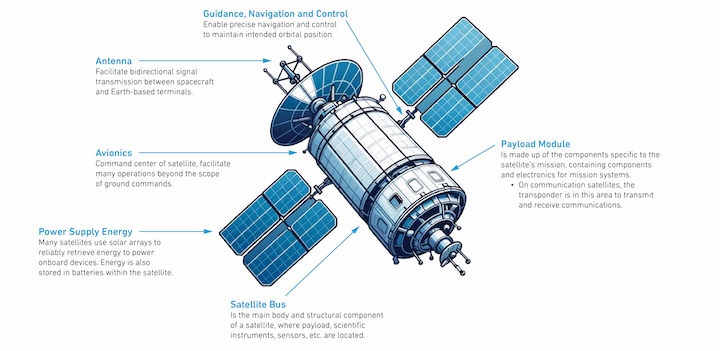
The Transporter-17 mission was part of SpaceX’s rideshare program, which allows multiple companies to deploy satellites at a fraction of the cost of independent launches. This mission carried 81 payloads, including cubesats, microsats, hosted payloads, and orbital transfer vehicles. Among these payloads were devices equipped with South African-made components such as Reaction Wheels, Sun Sensors, Magnetorquer Rods, and Magnetometers.
South Africa’s Contribution
NewSpace Systems has steadily grown into one of Africa’s leading satellite technology firms. Its new 5,200m² manufacturing hub, opened earlier this year, is the largest of its kind on the continent. The company’s involvement in the Transporter-17 mission demonstrates how South African engineering is now integrated into global space operations. For the engineers and technicians at NewSpace Systems, watching their hardware lift off aboard Falcon 9 was described as “something special that never gets old.”
Economic and Technological Impact
The participation of South African companies in international missions has both economic and technological benefits. Economically, it positions South Africa as a competitive player in the global satellite market, attracting investment and creating jobs in advanced manufacturing. Technologically, it fosters innovation and knowledge transfer, ensuring that local engineers remain at the cutting edge of aerospace development.
SpaceX’s Role
SpaceX’s Falcon 9 rocket, the world’s first orbital-class reusable rocket, has revolutionized space access by reducing costs and increasing launch frequency. For South African firms, the rideshare program offers an affordable pathway to orbit. At $350,000 per 50kg satellite, the program is significantly cheaper than traditional launch methods, making it accessible to emerging space nations like South Africa.
Broader Context: Africa in Space
South Africa has long been a leader in African space initiatives, from the launch of SUNSAT in 1999 to its current involvement in projects like Africa2Moon, which aims to place radio telescope arrays on the lunar surface. The success of NewSpace Systems in contributing to Falcon 9 missions highlights the continent’s growing role in space exploration and technology.
Future Prospects
Looking ahead, South Africa’s space industry is poised for further growth. With increasing collaboration between local institutions like SANSA (South African National Space Agency) and international partners, the country is positioning itself as a hub for satellite manufacturing and space research. The Transporter-17 mission is not just a single achievement but part of a broader trajectory toward deeper involvement in global space exploration.
Challenges and Opportunities
Despite these successes, challenges remain. Funding constraints, competition from established global players, and the need for sustained government support are critical issues. However, opportunities abound in areas such as satellite internet connectivity, where South Africa has already engaged with companies like Starlink, Amazon Leo, and MzansiSat to explore low-Earth orbit broadband solutions.
Conclusion
The launch of South African satellite components aboard SpaceX’s Falcon 9 marks a historic achievement for the nation’s space industry. It demonstrates the country’s ability to produce world-class technology, integrate into global missions, and contribute meaningfully to humanity’s exploration of space. As South Africa continues to expand its space capabilities, the Transporter-17 mission will be remembered as a defining moment in its journey toward becoming a major player in the international space arena.



