




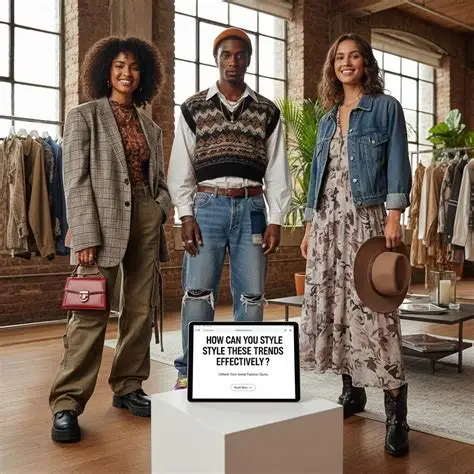
“South African streetwear in 2026 has matured into a cultural movement rooted in oversized silhouettes, neon animal prints, and heritage-inspired motifs like Ndebele patterns. The influence of Amapiano culture and the rise of quiet luxury are reshaping youth fashion into a uniquely South African identity-driven style.”
South Africa’s fashion industry has entered a defining era in 2026, where streetwear is no longer a borrowed aesthetic but a cultural backbone. Oversized silhouettes, heritage prints, and the influence of Amapiano music culture are shaping a uniquely South African identity in fashion. This transformation reflects broader cultural shifts, where clothing is not just about style but about self-expression, heritage, and rebellion against rigid norms.
Oversized Silhouettes Dominate
Across Johannesburg and Cape Town, baggy cargos, roomy hoodies, bomber jackets, and loose denim have replaced skinny fits. These oversized styles are not only practical but symbolic of individuality. They represent a rejection of rigid fashion norms in favor of gender-fluid, expressive, and comfortable silhouettes. Oversized fashion has become a language of freedom, resonating with youth who seek authenticity.
Colour Trends Defining 2026
- Earthy Neutrals: Sand, stone, and soft brown dominate collections, grounding them in South Africa’s landscapes.
- Jewel Tones: Emerald green, sapphire blue, and ruby red inject vibrancy into sneakers and jackets.
- Metallics: Chrome silver and rose gold reflect digital culture, linking fashion to online aesthetics.
- Pastels: Soft pinks and sage greens balance boldness, especially in summer collections.
These palettes illustrate how designers are blending local identity with global relevance, ensuring South African fashion remains distinctive yet adaptable.
Prints and Patterns
- Animal Prints with Neon Updates: Leopard and zebra motifs reimagined with electric overlays.
- Heritage Patterns: Ndebele and other African motifs dominate collections, reinforcing cultural pride.
- Graphic Streetwear: Oversized hoodies and bomber jackets feature bold, experimental graphics appealing to younger audiences.
This fusion of heritage and futurism positions South Africa as a hub of innovative design.
Influence of Amapiano Culture
Amapiano is no longer just music—it’s fashion culture. Sneakers, luxury streetwear, layered jewellery, statement sunglasses, and matching sets are influenced by the genre. This synergy has created a new aesthetic: luxe township fashion, blending designer bags with cargos, sportswear with tailored jackets, and sneakers with formal pieces.
Rise of Quiet Luxury
While bold streetwear dominates, quiet luxury has emerged online. Neutral tones, tailored silhouettes, and minimal branding define this movement. It reflects a desire for sophistication without overt logos, appealing to professionals and digital influencers.
Cultural Significance
Streetwear has become a cultural marker of identity and rebellion. Unlike rigid international runway cycles, South African streetwear thrives on adaptability—minimalist one season, explosive with colour the next. It is deeply tied to music, nightlife, and social media aesthetics, making it a living, breathing reflection of youth culture.
Conclusion
South Africa’s 2026 fashion trends highlight a fusion of oversized silhouettes, heritage prints, and Amapiano-inspired styling. This evolution is not only shaping local wardrobes but also influencing global conversations about identity, sustainability, and digital culture. Streetwear has matured into a cultural backbone, redefining what it means to dress South African in 2026.



