




“South Africa has recorded a 12.8% increase in international arrivals between January and May 2026, driven by expanded visa-free entry agreements, improved flight connectivity, and rising global interest in safari tourism. This surge underscores the country’s transformation into a premier destination for both regional and long-haul travelers.”
South Africa’s tourism sector is experiencing a remarkable resurgence in 2026, with international arrivals surging by more than 12% in the first five months of the year. This growth reflects not only the country’s natural beauty and cultural richness but also strategic policy changes, improved connectivity, and global demand for safari and adventure travel. The latest figures confirm South Africa’s position as a leading destination in Africa, attracting both regional and international visitors at record levels.
Visa-Free Entry Policies
One of the most significant drivers of this surge has been the expansion of visa-free entry agreements with countries such as the United Kingdom, Germany, Brazil, Australia, and Namibia. These policies have reduced barriers for travelers, making South Africa more accessible to high-value international markets. For tourists, the ease of entry translates into greater spontaneity in travel planning and increased willingness to explore destinations across the country.
Visa-free entry has also encouraged repeat visits, as travelers from these countries can plan short-term getaways without bureaucratic delays. This policy shift has been hailed by tourism operators as a game-changer, particularly for luxury safari lodges and urban hospitality providers.
Safari Tourism Demand
Safari tourism remains the cornerstone of South Africa’s appeal. The Kruger National Park, Pilanesberg, and private reserves such as Sabi Sands continue to attract visitors eager to experience the Big Five. Renewed interest in wildlife tourism has been amplified by global marketing campaigns emphasizing conservation, eco-tourism, and immersive cultural experiences.
Safari lodges, ranging from budget-friendly camps to luxury retreats, are reporting record bookings, with occupancy rates exceeding pre-pandemic levels. This demand has also spurred investment in new lodges and conservation projects, ensuring that tourism growth aligns with sustainability goals.
Flight Connectivity and Infrastructure
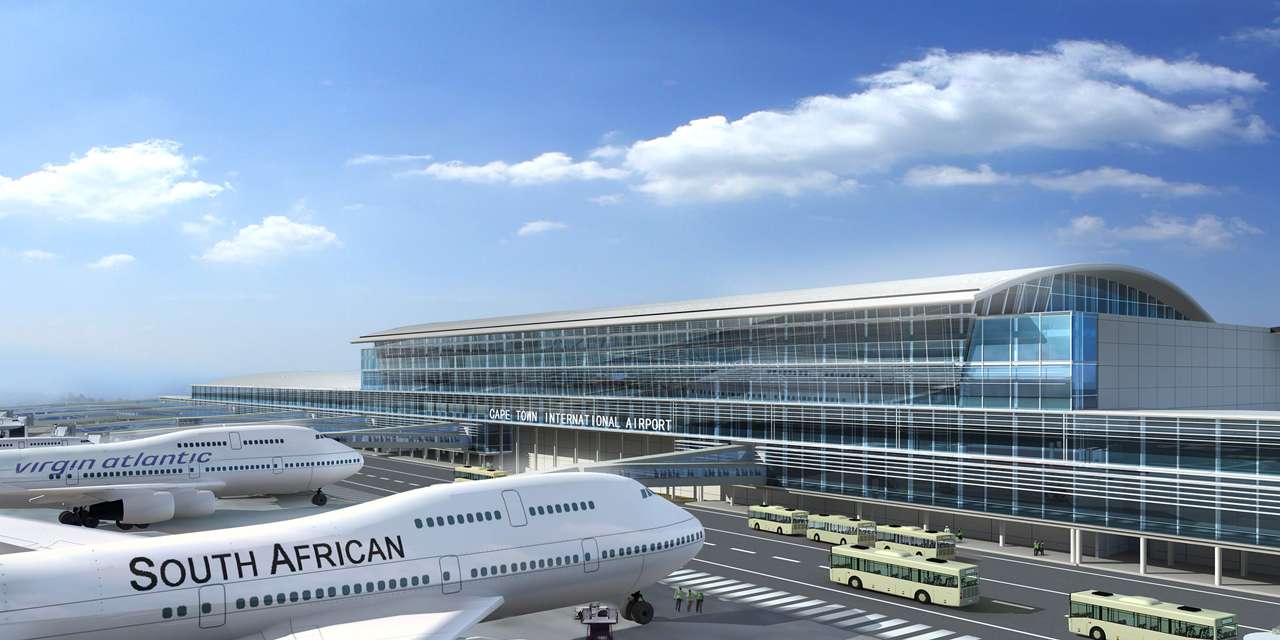
Improved air connectivity has played a crucial role in sustaining this momentum. Expanded routes from Europe, the Americas, and Asia have made South Africa more accessible than ever. Johannesburg’s OR Tambo International Airport and Cape Town International Airport have seen increased traffic, with airlines introducing direct flights from major hubs such as London, Frankfurt, São Paulo, and Sydney.
The recent expansion by Emirates Airlines, adding extra daily flights to Cape Town and Johannesburg, further strengthens South Africa’s global tourism network. This increased capacity not only benefits inbound travelers but also enhances outbound opportunities for South Africans seeking international experiences.
Economic Impact
The tourism boom is expected to generate significant economic benefits. Increased arrivals translate into higher spending across accommodation, dining, transport, and cultural attractions. The hospitality sector, in particular, is experiencing a surge in demand, with hotels and guesthouses reporting near-full occupancy during peak travel seasons.
Local communities are also benefiting, as tourism creates jobs in guiding, hospitality, transport, and conservation. The ripple effect extends to small businesses, artisans, and cultural performers who cater to the growing influx of visitors.
Sustainability and Conservation
South Africa’s tourism growth is being carefully aligned with sustainability goals. Conservation projects are receiving increased funding, ensuring that wildlife habitats are preserved while tourism flourishes. Eco-tourism initiatives are gaining traction, with travelers showing greater interest in responsible travel practices that support local communities and protect biodiversity.
Challenges Ahead
Despite the positive outlook, challenges remain. Safety concerns, particularly in urban areas, continue to affect perceptions of South Africa as a destination. Infrastructure development must keep pace with rising demand, and environmental pressures from increased tourism require careful management.
Conclusion
South Africa’s tourism boom in 2026 is a testament to the country’s resilience, strategic policy changes, and unmatched natural and cultural offerings. With visa-free entry, expanded flight connectivity, and soaring safari demand, the nation is firmly positioned as one of the world’s premier travel destinations.



