




“South Africa’s future access to the United States under the African Growth and Opportunity Act (AGOA) is emerging as a major economic policy issue as Parliament resumes its work, with President Cyril Ramaphosa expected to address government engagement with Washington and efforts to reduce tariffs on South African exports. The uncertainty surrounding preferential trade access is increasing pressure on policymakers to strengthen export diversification, protect jobs, improve business competitiveness and provide clarity to affected industries.”
South Africa’s AGOA Trade Future Puts Government Economic Policy Under Renewed Scrutiny as Parliament Resumes
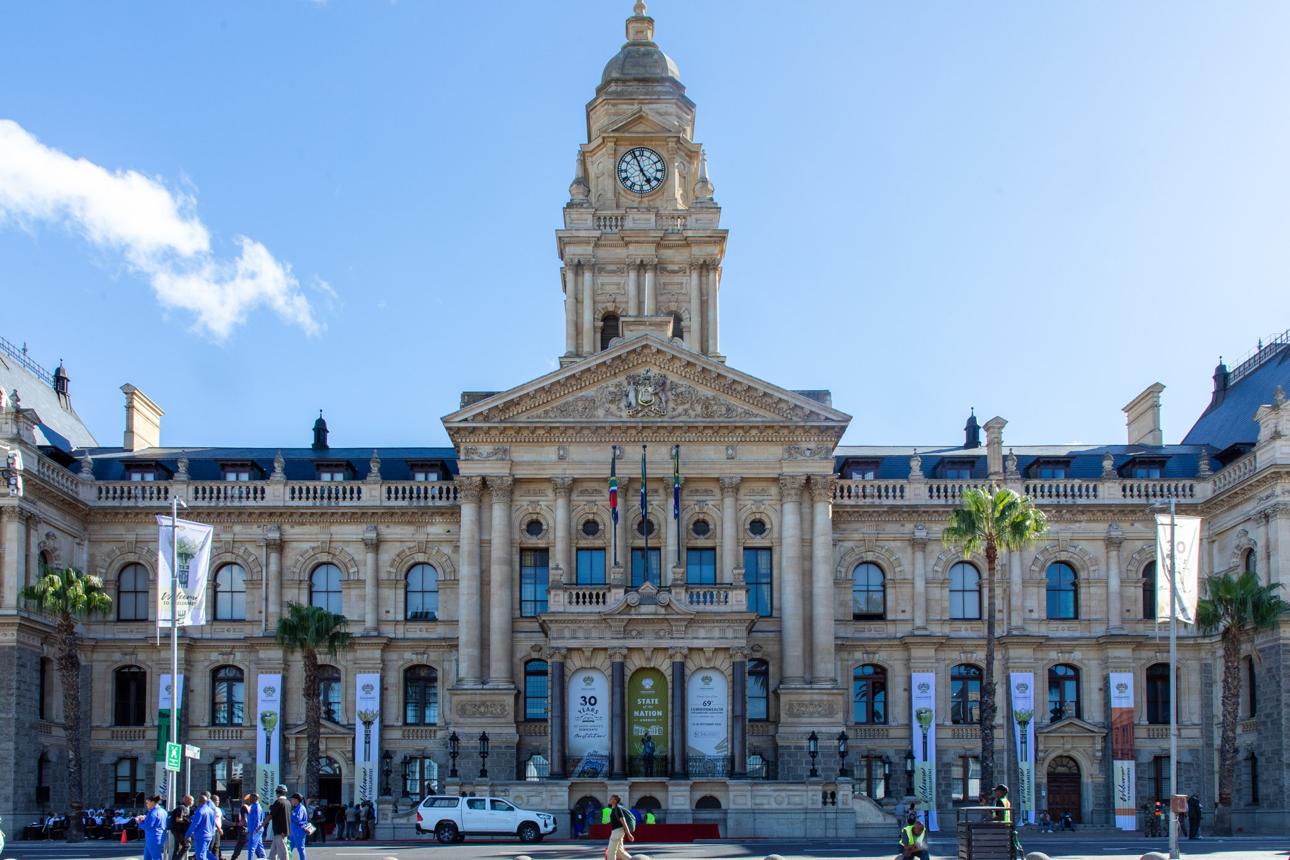
South Africa’s trade policy, economic diplomacy and business competitiveness are receiving renewed attention as Parliament resumes its work on Tuesday, 10 November 2026. The country’s impending removal from the African Growth and Opportunity Act (AGOA) has emerged as an important economic policy challenge, raising questions about export protection, investment confidence, employment and the government’s ability to maintain constructive commercial relations with the United States.
The issue comes at a critical moment for South African businesses, which continue to operate against a backdrop of weak economic growth, high unemployment and increasing international trade uncertainty. President Cyril Ramaphosa is expected to address Parliament on Thursday concerning South Africa’s engagement with Washington, the country’s future under AGOA and efforts to reduce tariffs affecting South African exports. The parliamentary programme places international trade and economic policy among the issues requiring government accountability.
AGOA Withdrawal Creates New Challenges for Business Policy
The United States announced its intention to withdraw South Africa’s preferential trade benefits under AGOA, with the proposed exclusion taking effect on 1 January 2027. The decision follows increasingly strained diplomatic relations between Pretoria and Washington.
AGOA has historically provided qualifying African exports with preferential access to the American market. For South African businesses, the programme has supported commercial relationships, export opportunities and investment decisions across several industries.
However, the withdrawal does not constitute a complete termination of trade between South Africa and the United States. South African products will continue entering the American market, although affected goods may face ordinary import duties and other applicable tariffs.
The Department of Trade, Industry and Competition has acknowledged the concerns raised by exporters, workers and communities dependent on AGOA-supported value chains. Government has also indicated that it will continue engaging with affected industries to determine the consequences and identify appropriate support measures.
According to the department’s November 2 statement, bilateral trade between South Africa and the United States reached approximately $28.8 billion in 2025. More than 600 American companies operate in South Africa, supporting approximately 134,600 jobs.
These figures demonstrate that the commercial relationship extends considerably beyond AGOA. Nevertheless, losing preferential access creates challenges for particular exporters and could affect future investment decisions.
Exporters Face Increasing Pressure to Protect Competitiveness
The potential economic consequences are particularly important for businesses operating in agriculture, manufacturing and automotive supply chains.
South African citrus producers, wine exporters, table grape growers and manufacturers supplying American customers are among the industries monitoring developments closely. These businesses must evaluate whether additional import duties could make their products less competitive against suppliers operating in countries with more favourable trade arrangements.
Reuters reported on November 3 that exporters were concerned about potential pressure on profit margins, export orders and employment. Business Unity South Africa estimated that the consequences could include several thousand job losses, although the actual impact remains uncertain.
The effects will differ significantly between industries and companies. Some exporters may absorb part of the additional costs, while others could negotiate price adjustments with American buyers. Businesses facing particularly difficult competitive conditions may consider redirecting products towards alternative markets.
However, market diversification is not an immediate solution for every exporter. Agricultural products have seasonal requirements, logistical constraints and quality standards that influence where they can be sold. Manufacturing businesses may also depend on established supply chains and customer relationships that cannot easily be replaced.
Consequently, government policy will need to consider the specific circumstances of affected sectors rather than applying a uniform response.
Government Pursues Export Diversification
South Africa’s response increasingly centres on expanding access to international markets while maintaining engagement with the United States.
The Department of Trade, Industry and Competition has identified opportunities across the African Continental Free Trade Area, the Southern African Development Community, India, China, the European Union, the United Kingdom, ASEAN and MERCOSUR.
The government’s Industrial Development Strategy and Butterfly Strategy are intended to support this broader diversification effort.
Expanding exports into African markets could offer opportunities for manufacturers, agricultural producers and emerging businesses. Regional trade can also strengthen supply chains, improve industrial cooperation and create additional demand for locally produced goods.
Nevertheless, diversification requires more than identifying new destinations. Exporters need reliable transportation infrastructure, efficient ports, competitive electricity costs, access to financing and predictable regulatory arrangements.
These domestic conditions are essential to ensuring that South African businesses can compete internationally.
The government has also reported securing new market opportunities for agricultural products, including citrus, avocados, grapes and apples. Such developments could help exporters reduce dependence on particular destinations, although the commercial benefits will depend on implementation and sustained demand.
Parliament’s Role in Economic Policy Accountability
Parliament’s resumed activities provide an opportunity for lawmakers to scrutinise the government’s response to international trade developments.
President Ramaphosa’s scheduled appearance before the National Council of Provinces on Thursday includes questions concerning South Africa’s engagement with the United States over AGOA eligibility and reducing tariffs on South African exports.
These discussions are significant because business policy increasingly intersects with foreign relations, industrial development and employment protection.
Parliamentary scrutiny can help establish whether government negotiations are producing tangible progress, whether affected industries are receiving appropriate assistance and whether economic diversification programmes are achieving measurable results.
It also provides an opportunity to examine how trade policy aligns with national development objectives, including industrialisation, transformation and employment creation.
The government’s challenge is to maintain a balanced approach that protects national interests while preserving opportunities for international investment and commercial cooperation.
Business Organisations Call for Greater Competitiveness
South African business organisations have emphasised the importance of improving domestic competitiveness in response to changing international trade conditions.
The Cape Chamber of Commerce and Industry has warned that the AGOA decision highlights the need to strengthen local business competitiveness amid geopolitical uncertainty.
Its November 3 statement identified agriculture and maritime manufacturing among the Western Cape industries particularly exposed to the development.
The chamber has encouraged cooperation between government and the private sector to address domestic barriers to growth and improve regional commercial resilience.
This approach reflects a broader policy debate about whether South Africa can improve its economic performance by reducing operational costs, strengthening infrastructure and simplifying business regulations.
For companies, competitive electricity supply, efficient transport systems, reliable water infrastructure and predictable regulatory requirements can influence investment decisions as much as international tariff arrangements.
Improving these conditions could strengthen exporters’ ability to compete in existing markets while making South Africa more attractive to new investors.
Employment Protection Remains a Major Policy Concern
Employment considerations remain central to the AGOA debate.
South Africa continues to face substantial unemployment, making potential job losses in export-oriented industries particularly concerning.
Agricultural production supports employment across farming, packaging, transportation and distribution. Manufacturing industries similarly sustain employment through production facilities, component suppliers and logistics businesses.
A reduction in export demand could affect these interconnected activities.
Government has indicated that it intends to work with affected industries and social partners to optimise support measures aimed at protecting jobs and strengthening productive sectors.
However, policymakers will need to ensure that interventions are appropriately targeted and economically sustainable.
Support programmes should ideally encourage businesses to remain productive, invest in improved operations and pursue alternative markets rather than merely postponing difficult commercial decisions.
Clear communication will also be important. Businesses require reliable information about available support, eligibility requirements and the timing of government interventions.
International Relations and Business Confidence
The AGOA issue also demonstrates how international relations can influence business confidence.
South Africa and the United States maintain significant economic connections through trade, investment, manufacturing inputs and commercial partnerships.
Although the proposed withdrawal affects preferential trade arrangements, both countries retain interests in maintaining broader economic cooperation.
Government has indicated that it remains committed to constructive engagement with Washington while pursuing alternative markets.
President Ramaphosa has similarly emphasised that South Africa’s commercial relationship with the United States extends beyond AGOA and that bilateral arrangements could provide opportunities for continued cooperation.
For businesses, the priority is reducing uncertainty and maintaining predictable trading conditions.
Investors generally value clarity regarding trade arrangements, regulatory requirements and the long-term direction of economic policy. Prolonged uncertainty could influence investment decisions, particularly in industries requiring substantial capital expenditure.
Consequently, negotiations and policy communication will remain important during the period preceding January 2027.
Structural Reforms Could Strengthen the Business Environment
The trade policy challenge also reinforces the importance of South Africa’s domestic structural reform programme.
Operation Vulindlela, a joint initiative of the National Treasury and the Presidency, continues to advance reforms involving electricity, freight logistics, water infrastructure and other areas affecting economic performance.
Its October 30 progress report highlighted developments in electricity market reform, freight rail access, port restructuring and private sector participation.
These reforms could improve the operating environment for businesses if successfully implemented.
A more competitive electricity market could create additional opportunities for energy investment. Improved freight rail access could reduce transportation constraints for exporters. Better port performance could strengthen South Africa’s ability to compete in international markets.
Water infrastructure improvements are equally important for agricultural production, industrial activity and regional development.
The relationship between structural reform and export diversification is therefore substantial. Expanding market access becomes more valuable when businesses can produce and deliver goods efficiently.
The Road Ahead for South African Business Policy
South Africa’s economic policy response will require coordination between government departments, Parliament, business organisations, labour representatives and exporters.
The immediate priority is to continue engaging with the United States during the notice period while assessing the consequences of the proposed AGOA withdrawal.
At the same time, government must accelerate market diversification, strengthen industrial competitiveness and ensure that affected businesses receive appropriate information and assistance.
Exporters will also need to review their market exposure, assess alternative destinations and consider how additional costs could affect their commercial strategies.
The broader challenge extends beyond a single trade programme. South Africa must strengthen its capacity to respond to international economic changes while maintaining an attractive environment for investment, production and employment.
The country’s future competitiveness will depend partly on its ability to combine effective diplomacy with practical domestic reforms.
As Parliament resumes its work, AGOA represents an important test of South Africa’s economic policy coordination. The outcome of negotiations, the effectiveness of support measures and progress in structural reforms will help determine whether businesses can navigate the changing international trade environment successfully.
Ultimately, South Africa’s business policy priorities remain clear: protect productive capacity, expand export opportunities, strengthen competitiveness, improve infrastructure and create conditions for sustainable economic growth.
The central issue is no longer simply whether South Africa can retain preferential access to the American market. It is whether the country can develop a sufficiently competitive, diversified and resilient economy to sustain business growth and employment amid changing global trade conditions.



