




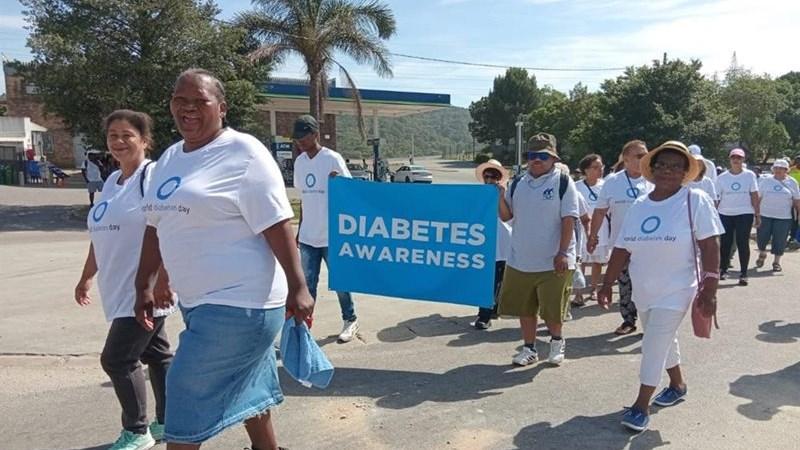
“South Africa is confronting a shift in its disease burden after the latest mortality figures showed diabetes mellitus remained the country’s leading underlying natural cause of death in 2024 again. Statistics South Africa recorded 28,767 deaths attributed to diabetes, highlighting the growing impact of non-communicable diseases while the country continues to manage long-standing threats such as HIV and tuberculosis.”
South Africa is confronting a shift in its disease burden after the latest mortality figures showed diabetes mellitus remained the country’s leading underlying natural cause of death in 2024 again. Statistics South Africa recorded 28,767 deaths attributed to diabetes, highlighting the growing impact of non-communicable diseases at a time when the country continues to manage long-standing threats such as HIV and tuberculosis.
The figures, discussed publicly by Health Minister Aaron Motsoaledi on 7 October 2026, are more than a measure of mortality. They signal a changing public-health landscape in which chronic diseases are placing increasing pressure on households, clinics and hospitals. The minister described the country as being in an epidemiological transition, with conditions such as diabetes, hypertension, cancer and obesity becoming increasingly prominent alongside infectious diseases.
Statistics South Africa processed 474,366 deaths that occurred in 2024. Diabetes accounted for 6.1% of all recorded deaths, ahead of hypertensive diseases at 5.5% and cerebrovascular diseases, including strokes, at 5.4%. Together, the rankings show how strongly non-communicable diseases shape mortality.
Diabetes does not operate in isolation. High blood pressure, obesity and cardiovascular disease can occur alongside diabetes and share many risk factors. Motsoaledi highlighted smoking, excessive alcohol use, unhealthy diets and physical inactivity as important contributors. He also pointed to changes in urban lifestyles, where work, transport and living environments can reduce opportunities for everyday physical activity.
The minister’s comments underline a difficult reality: prevention is not simply a matter of individual choice. South Africans make health decisions within an economic and social environment that can make healthy choices difficult. Motsoaledi noted that healthier food can be expensive while highly processed foods, fast food and other less nutritious options can be comparatively affordable and widely available. For lower-income households, the cost and accessibility of food can therefore influence diabetes risk and management.
Diabetes was the leading underlying cause of death among women in 2024, accounting for 7.9% of female deaths, or 17,429 deaths. Among men, diabetes ranked third, accounting for 4.5%, or 11,334 deaths. Tuberculosis remained the leading cause among men at 4.8%, while cerebrovascular diseases and diabetes followed closely.
Diabetes was the leading cause of death among people aged 45 to 64, according to the Stats SA findings. Among people aged 65 and older, hypertension ranked first, while diabetes remained the second-leading cause. This shows that the burden of chronic disease becomes particularly important during middle and later adulthood, when multiple conditions may occur together.
Diabetes was the leading underlying cause of death in several provinces, including Western Cape, KwaZulu-Natal, Limpopo, Eastern Cape and Gauteng. In Western Cape, it accounted for 7.3% of deaths, while the proportion was 7.0% in KwaZulu-Natal, 6.9% in Limpopo, 5.8% in Eastern Cape and 4.6% in Gauteng. These differences suggest that prevention and treatment programmes must be locally responsive.
South Africa has not left infectious diseases behind. HIV and tuberculosis continue to cause substantial mortality, particularly among younger and middle-aged adults. Stats SA reported HIV disease as the leading cause of death among people aged 15 to 44, accounting for 12% of deaths in that age group, while tuberculosis was also a major contributor. The health system must increasingly manage both burdens at once.
Diabetes is especially challenging because many people can live with the disease for years before serious complications appear. Persistently high blood glucose can damage blood vessels and nerves and increase the risk of heart disease, stroke, kidney disease, vision loss and other complications. Early diagnosis, regular monitoring and consistent treatment can reduce those risks, but access to screening and continuous care remains essential.
The figures strengthen the case for prevention and early detection. Routine screening can identify undiagnosed diabetes and people at high risk. Primary healthcare facilities are particularly important because they can connect screening with counselling, medication, nutrition support and follow-up care.
Treatment continuity is also important. Diabetes is a long-term condition, meaning patients may need medicines, glucose monitoring, regular consultations and lifestyle support over many years. Interruptions in treatment can increase the risk of complications and hospitalisation. This makes reliable medicine supply chains and strong primary-care systems central to controlling the disease burden.
The issue also intersects with broader healthcare pressures. Public facilities are dealing with large patient volumes, chronic disease management demands and, in some areas, medicine supply challenges. When patients cannot consistently access medicines or monitoring services, conditions that could be controlled may become more difficult to manage.
Motsoaledi’s emphasis on physical activity offers one practical part of the response. He argued that exercise does not have to mean paying for a gym and encouraged regular brisk walking. Public-health planning must also consider safe walking spaces, time for activity and transport and employment patterns.
Food policy is another important part of the response. Diabetes prevention cannot depend entirely on telling people to eat better when healthier choices may be more expensive or less accessible. Public education, food labelling, school nutrition, community programmes and policies that improve access to affordable nutritious foods can all contribute to a broader prevention strategy.
The figures also carry a gender dimension. Because diabetes accounted for a substantially larger share of female deaths than male deaths, prevention and care strategies should ensure that women are reached effectively through primary healthcare, maternal and reproductive health services and community programmes. Diabetes can intersect with pregnancy and other aspects of women’s health, making early identification and continued care particularly important.
The data should encourage South Africans to take warning signs and routine checks seriously. Symptoms can include increased thirst, frequent urination, unexplained weight changes, fatigue and blurred vision, although some people may have diabetes without obvious symptoms. People with risk factors should discuss screening with a healthcare professional.
The broader message from the 2024 mortality data is that South Africa’s health priorities are changing. The country still needs strong programmes against HIV, tuberculosis and other infections, but it must simultaneously respond to a rising burden of diabetes, hypertension, obesity, heart disease and stroke.
For policymakers, the challenge is to move beyond treating complications after they occur. Prevention, early diagnosis, affordable treatment, medicine availability, nutrition policy, physical activity and sustained patient education need to work together. Communities, schools, workplaces and healthcare providers all have roles to play.
The figures represent more than an annual mortality statistic. With diabetes remaining South Africa’s leading underlying natural cause of death, the disease has become a defining public-health challenge. The response will require sustained investment in primary healthcare, prevention programmes and policies that make healthier living achievable.
South Africa’s changing disease profile does not mean infectious diseases have disappeared. Instead, it means the country is facing a more complex health landscape in which infectious and non-communicable diseases coexist. The diabetes statistics provide a clear warning that chronic disease prevention and management must move higher on the national agenda if avoidable deaths and complications are to be reduced in the years ahead.
Original news source
The primary news report used for this article was published by Eyewitness News (EWN) on 7 October 2026 and reports Health Minister Aaron Motsoaledi’s response to the latest diabetes mortality figures.



