




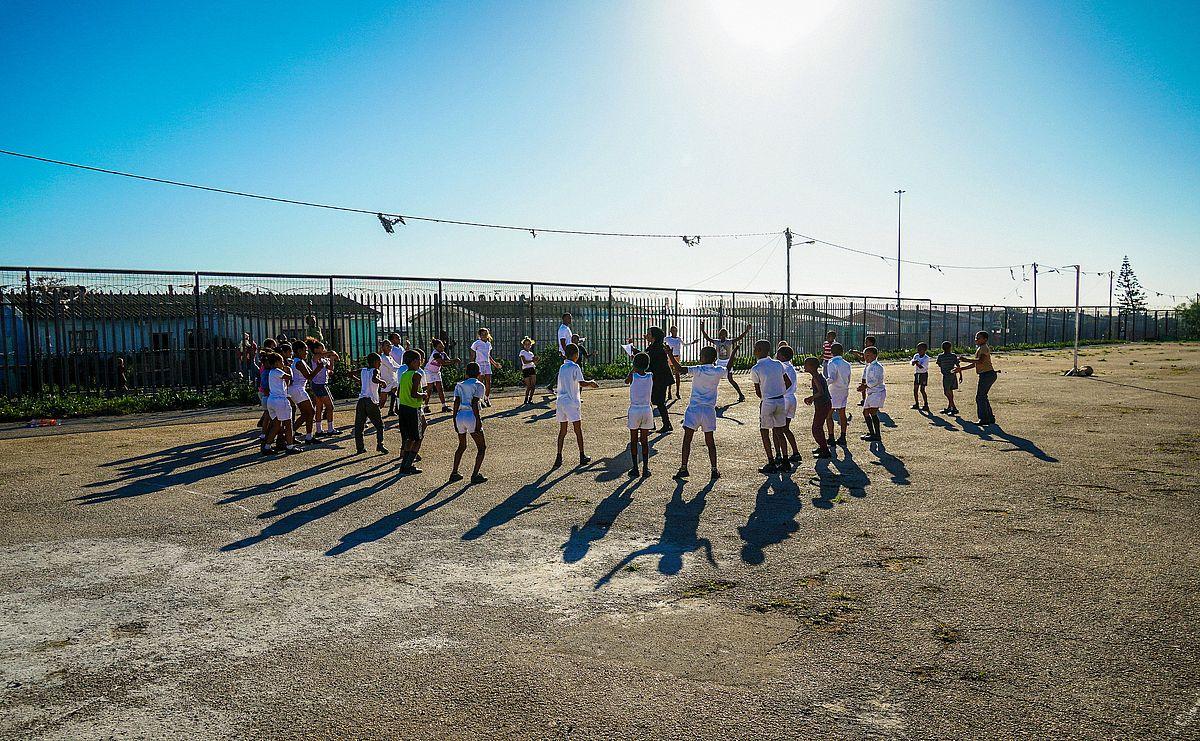
“The World Health Organization has issued its first global guidelines on childhood and adolescent obesity, recommending healthy eating, physical activity and behavioural support as the foundation of care rather than immediately turning to weight-loss medicines. The guidance is highly relevant to South Africa as families, schools and healthcare providers seek practical ways to improve children’s physical and emotional wellbeing while addressing unequal access to healthy food and safe opportunities for exercise.”
The World Health Organization has placed healthy lifestyle support at the centre of the global response to childhood and adolescent obesity, issuing its first dedicated guidelines on the condition on 7 October 2026. The recommendations are particularly relevant to South Africa, where families, schools, health professionals and policymakers are navigating rising noncommunicable disease risks alongside unequal access to nutritious food, safe spaces for exercise and preventive healthcare.
The WHO guidance recommends structured dietary support, physical activity and behaviour-changing interventions as the foundation of care for children and adolescents living with obesity. Medicines, surgery and weight-loss devices are not recommended for children aged 0 to 9, while medicines may be considered for adolescents aged 10 to 19 only when supervised lifestyle interventions have not produced the desired results. Bariatric surgery is reserved for carefully selected adolescents with severe obesity.
The timing of the announcement makes the issue an important wellness story for South African households. Obesity is not simply a question of appearance or body size. It is a chronic health condition associated with higher risks of type 2 diabetes, cardiovascular disease and other illnesses, while children can also experience stigma, bullying, anxiety and reduced self-esteem. WHO says care should therefore focus not only on weight, but on health, functioning and overall wellbeing.
The scale of the global problem is substantial. WHO says 400 million children and adolescents aged 5 to 19 were overweight in 2024, including 170 million living with obesity. The prevalence of obesity in this age group has quadrupled since 1990, increasing from 2% to 8%. The organisation says obesity is becoming more common in low- and middle-income countries, making the guidance especially relevant to countries such as South Africa.
For parents, the central message is not that every child should be placed on a diet. Instead, families should create supportive routines around food, movement, sleep and emotional health. Healthy eating can include a varied combination of vegetables, fruit, legumes, whole grains and other nutritious foods, while reducing frequent consumption of foods and drinks high in added sugar, unhealthy fats and salt. WHO stresses that healthy diets must also be affordable and accessible if public health advice is to work beyond households with greater financial resources.
Physical activity is another essential part of the wellness approach. WHO recommends that children and adolescents aged 5 to 17 accumulate at least 60 minutes of moderate-to-vigorous physical activity each day, including activities that strengthen muscles and bones several times a week. This does not mean that every child needs formal gym training. Walking, running, cycling, active games, dancing, sport and other enjoyable movement can contribute to daily activity.
South African schools could play a major role in making these habits easier. Schools provide a setting where large numbers of children can receive nutrition education, participate in physical activity and develop healthy routines. However, effective wellness programmes need to recognise differences between communities. A child living in a neighbourhood without safe recreational areas may face very different barriers from one who has access to parks, sports facilities and organised activities.
The WHO guidelines also underline the importance of behaviour-changing support and caregiver involvement. Children should not be left to manage obesity or lifestyle changes on their own. Parents, caregivers, teachers, nurses, dietitians, doctors and other professionals can help families set realistic goals and avoid approaches that create shame. A supportive environment is important because weight-related stigma can damage mental health and may make children less willing to seek help.
Mental wellbeing is therefore a central part of the new approach. WHO says obesity can be associated with anxiety, depression, low self-esteem and emotional difficulties, while stigma and bullying can further harm young people’s wellbeing. Healthcare workers are encouraged to identify and address mental health concerns alongside obesity, using age-appropriate and family-engaged care.
The guidance also challenges the idea that obesity can be solved entirely through individual willpower. WHO describes obesity as a condition shaped by biological, environmental, social and behavioural factors. Food prices, advertising, urban design, transport systems, school environments and access to healthcare can all influence the choices available to families.
That broader perspective matters in South Africa, where household circumstances vary sharply. Advising people to simply buy healthier food or exercise more can be ineffective when healthier options are more expensive, working parents have limited time, or children lack safe spaces for outdoor activity. Wellness policies therefore need to address the environments in which people make everyday decisions.
The latest WHO guidance is also significant because it places newer weight-loss medicines in context. GLP-1 medicines have attracted intense public attention because of their effectiveness for some adults and their growing use in certain adolescent populations. WHO, however, says evidence for children remains insufficient and recommends that medicines for adolescents be considered only after supervised multimodal lifestyle treatment has not achieved the desired outcome.
This cautious position does not mean medical treatment has no place. Children with obesity may require professional assessment and long-term care, particularly when they have complications or other health conditions. The WHO approach instead calls for treatment to be tailored to age, health needs, family circumstances and clinical evidence.
For South African healthcare providers, the recommendations reinforce the importance of primary healthcare in prevention and early intervention. Nurses, doctors and other professionals can help identify unhealthy weight trajectories, provide practical advice and refer families to appropriate services. Long-term follow-up is also important because obesity can be chronic and relapsing rather than a short-term problem.
The message extends beyond obesity treatment to everyday wellness. Adequate sleep, reduced sedentary time, regular movement, balanced meals and emotional support can benefit children regardless of their weight. These behaviours can also support concentration, physical fitness, healthy development and quality of life.
The WHO announcement arrives as South Africa continues to debate wider nutrition policy, including measures aimed at improving food environments and reducing exposure to unhealthy products. Such policies matter because prevention depends on more than clinical services. Healthier choices need to be practical choices, especially for children who depend on adults and institutions for food, transport and recreation.
Ultimately, the new guidance offers a simple but important shift in emphasis: wellness should begin before a child needs medication. Families should be supported rather than blamed, schools should help make movement and healthy eating normal, and healthcare systems should provide evidence-based care when additional support is required.
For South African parents, the practical lesson is to focus on sustainable habits rather than quick fixes. Encouraging enjoyable activity, offering varied nutritious foods, protecting sleep, limiting excessive sedentary time and maintaining open conversations about emotional wellbeing can build a healthier foundation. Where there are concerns about a child’s weight or health, professional advice is more appropriate than self-prescribed diets or weight-loss medicines.
As obesity becomes a growing health challenge worldwide, South Africa has an opportunity to treat wellness as a shared responsibility. The WHO guidelines make clear that protecting children’s health requires action from households, schools, healthcare services, communities, food producers and government. The goal is not simply a lower number on a scale, but healthier children who can grow, learn, participate and thrive. Prevention should therefore be compassionate, practical, culturally appropriate and available to children in every South African community and family income.



