




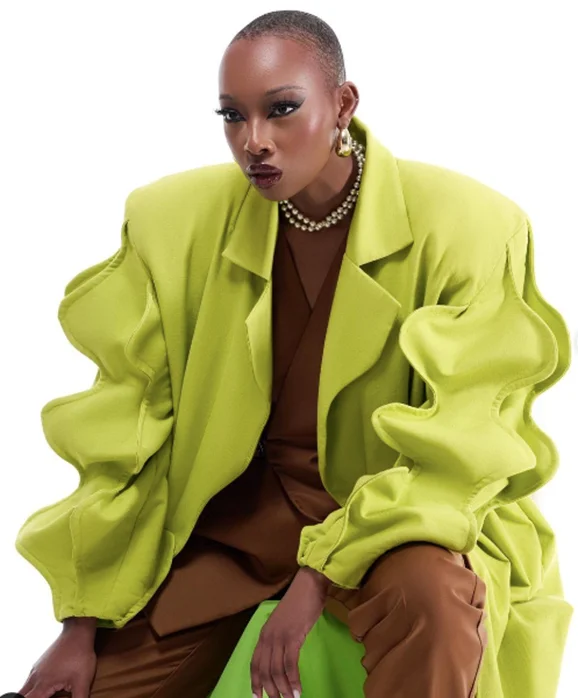
“South African designers in 2026 are redefining fashion by merging heritage prints like Ndebele motifs with modern neon overlays, jewel tones, and metallic finishes, reflecting both cultural pride and digital-age aesthetics. This bold design movement is shaping streetwear, luxury sneakers, and seasonal collections, positioning South Africa as a global hub of creative innovation.”
Fashion in South Africa has always been a dynamic interplay between tradition and modernity. In 2026, this interplay has reached a new height, with designers boldly fusing heritage-inspired prints and futuristic aesthetics to create collections that resonate locally and globally. This movement is not just about clothing—it is about identity, culture, and the assertion of South Africa’s place in the global fashion narrative.
Heritage Prints Reimagined
- Ndebele motifs are central to this year’s collections, appearing in jackets, hoodies, and accessories.
- Designers are using oversized graphics and neon overlays to modernize traditional patterns, making them relevant to younger audiences.
- This approach reflects a broader cultural trend: honouring tradition while embracing innovation.
Colour Palettes Defining 2026
- Earthy neutrals like sand, stone, and soft brown anchor collections, connecting fashion to South Africa’s landscapes.
- Jewel tones—emerald green, sapphire blue, ruby red—add vibrancy, appearing in both streetwear and semi-formal attire.
- Metallic shades such as chrome silver and rose gold reflect digital culture, linking fashion to music videos and the metaverse.
- Pastels like soft pink and sage dominate summer wardrobes, balancing boldness with approachability.
Streetwear Innovation
Streetwear remains the heartbeat of South African fashion. In 2026, designers are pushing boundaries by:
- Updating animal prints with neon accents.
- Incorporating heritage patterns into bomber jackets and sneakers.
- Using layered pastel tones for summer collections, making streetwear versatile across seasons.
Cultural Identity and Pride
This design revolution is deeply tied to national pride. By embedding cultural motifs into mainstream fashion, designers are ensuring that South African identity is visible on global runways. The fusion of local creativity with global influences demonstrates how fashion can be both a cultural statement and a commercial success.
Global Influence and Digital Integration
- The rise of metallic finishes reflects the influence of global digital aesthetics.
- Young South Africans are embracing fashion that bridges physical streets and digital spaces, signalling a new era of hybrid identity.
- Social media platforms amplify these trends, making South African fashion increasingly visible worldwide.
Economic and Market Impact
- The South African fashion market is projected to grow significantly, driven by urbanization and e-commerce expansion.
- Sustainable fashion is also gaining traction, with recycled materials becoming a dominant category.
- Local designers are competing with global giants like Shein and Amazon, but heritage-driven differentiation gives them a unique edge.
Risks and Challenges
- Global competition threatens local brands that fail to innovate.
- Sustainability pressures require designers to balance creativity with eco-conscious practices.
- Cultural appropriation risks must be managed carefully to ensure heritage prints are celebrated authentically.
Conclusion
South Africa’s fashion design scene in 2026 is a bold fusion of heritage and futurism, where Ndebele motifs meet neon overlays, jewel tones, and metallic finishes. This movement is more than a trend—it is a cultural renaissance, positioning South Africa as a leader in global fashion innovation.



