




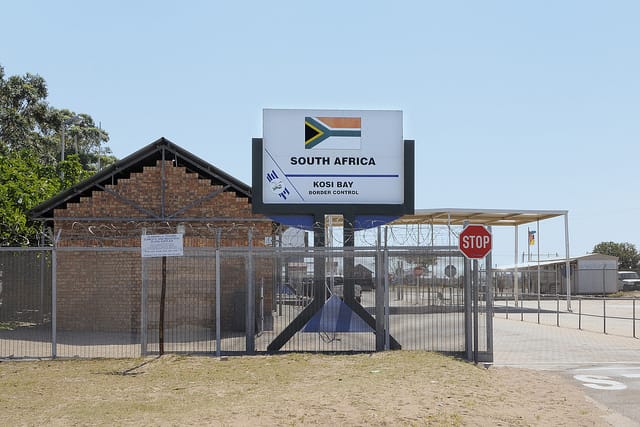
“South Africa remains one of the most rewarding destinations in 2026, but travelers must prepare for visa rules, currency realities, regional safety differences, and health precautions. A new advisory emphasizes practical tips on entry requirements, payments, transport, and coping with load-shedding to ensure a seamless experience.”
South Africa continues to attract millions of international visitors in 2026, offering breathtaking landscapes, vibrant cities, and world-class wildlife experiences. Yet, the latest travel advisory underscores that preparation is the key to enjoying this diverse country safely and smoothly. From visa rules to currency use, safety considerations, and coping with infrastructure realities like load-shedding, travelers are urged to plan ahead for a rewarding journey.
Visa and Entry Requirements
Most Western travelers—including citizens of the US, UK, Canada, Australia, and EU nations—enjoy 90 days visa-free entry upon arrival. Immigration officers may request proof of accommodation and onward travel, so keeping documents handy is advised.
- Border crossings vary in efficiency: Beitbridge (Zimbabwe) can take up to 4 hours, while crossings from Botswana and Namibia are generally faster.
- Travelers entering from Mozambique, Lesotho, or Eswatini should expect similar visa-free entry but must prepare for delays at peak times.
Currency and Payments
The local currency is the South African Rand (ZAR), currently valued at R18 to $1.
- Credit cards are widely accepted in cities, but cash remains essential in rural areas.
- Travelers should notify banks before departure to avoid card blocks.
- Carry small denominations for taxis, markets, and tips.
Safety and Security
Safety in South Africa is highly regional.
- Cape Town and Johannesburg have safe tourist areas, but crime hotspots persist.
- Avoid walking alone at night; use registered taxis or ride-hailing apps.
- Remain vigilant in crowded spaces.
- Load-shedding (scheduled power cuts) is a reality—carry a power bank and download the EskomSePush app to track outages.
Health and Climate
South Africa’s climate varies significantly by region.
- Malaria risk exists near Kruger National Park—prophylaxis may be necessary.
- Tap water is safe in most cities, but bottled water is advisable in rural areas.
- Essentials: sunscreen, insect repellent, lightweight clothing.
- Climate varies: hot summers, mild winters.
Transportation and Connectivity
Driving is on the left-hand side, and roads are generally well-maintained.
- Renting a car is popular for exploring beyond major cities.
- Watch for wildlife crossings in rural areas.
- Domestic flights connect major hubs, while long-distance buses and trains offer budget-friendly alternatives.
- SIM cards are widely available; mobile connectivity is strong in urban centers.
Practical Travel Tips
- Always carry proof of onward travel to avoid immigration delays.
- Download EskomSePush to manage load-shedding schedules.
- Keep cash handy for rural travel.
- Stay vigilant in crowded areas and avoid isolated places at night.
- Plan for malaria prevention if visiting high-risk zones.
Conclusion
South Africa in 2026 remains a premier destination for international travelers, but preparation is essential. By understanding visa rules, currency realities, regional safety differences, and infrastructure challenges like load-shedding, visitors can ensure a seamless and rewarding experience. The latest advisory serves as a reminder that informed travelers are safe travelers, and South Africa’s beauty is best enjoyed with foresight and planning.



