




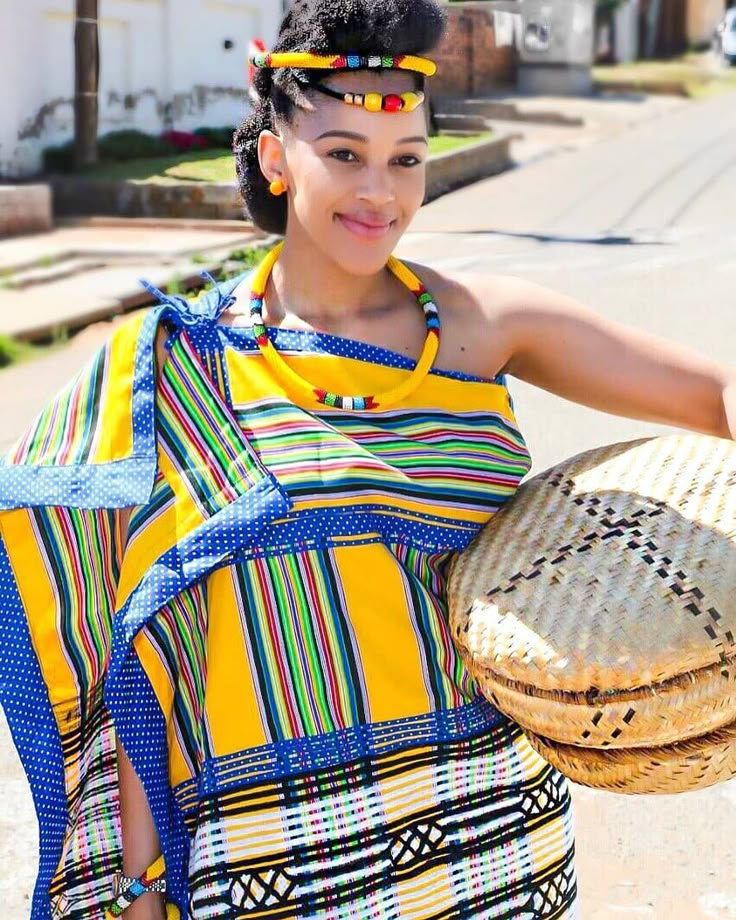
“South Africa’s fashion industry in 2026 is undergoing a transformation where eco-friendly innovation and cultural heritage are central to design and consumer demand. Local designers are blending recycled materials, biodegradable textiles, and indigenous craftsmanship to create fashion that is both sustainable and authentically African.”
1. Market Growth and Dynamics
- The South African apparel market was valued at USD 5.8 billion in 2023 and is projected to reach USD 7.9 billion by 2030.
- E-commerce adoption is reshaping consumer behavior, with online sales rising from 2% in 2019 to 5% in 2023.
- Sustainability is no longer niche—it is a core growth driver, projected to reach USD 680.66 million by 2033 at a CAGR of 25.27%.
2. Sustainability as a Core Trend
- Recycled materials dominate: fabrics made from plastic waste, organic cotton, and hemp are increasingly used.
- Transparency and circular economy models are demanded by consumers, pushing brands to disclose supply chain practices.
- Cape Town-based labels experiment with biodegradable textiles, while Johannesburg’s streetwear scene thrives on upcycled denim and repurposed sneakers.
3. Cultural Identity in Fashion
- Designers are reimagining Ndebele-inspired patterns, Zulu beadwork, and Xhosa silhouettes for modern wardrobes.
- This revival is innovative rather than nostalgic, blending traditional aesthetics with contemporary cuts.
- The result: garments that resonate with both local pride and global audiences.
4. Competitive Landscape
- Global giants like Amazon, Shein, and Temu are aggressively entering the market.
- Local designers differentiate through authenticity, storytelling, and cultural heritage.
- “Destination stores” combining premium quality with diverse product ranges are emerging as a survival strategy.
5. Luxury Market Resilience
- Despite global competition, South Africa’s luxury fashion market remains robust, with an 8% increase in luxury trading density in shopping centers over the past year.
- South Africa leads the continent in luxury store presence, reinforcing its role as Africa’s fashion capital.
6. Style Trends in 2026
- Earthy neutrals (sand, stone) dominate basics, reflecting natural landscapes.
- Jewel tones (emerald green, sapphire blue) add vibrancy to streetwear.
- Metallic shades (chrome silver, rose gold) connect fashion to digital culture and youth aesthetics.
Risks & Challenges
- Global competition threatens local brands with aggressive pricing.
- Supply chain transparency remains a challenge for smaller labels.
- Consumer education is critical to sustain demand for eco-conscious products.



