




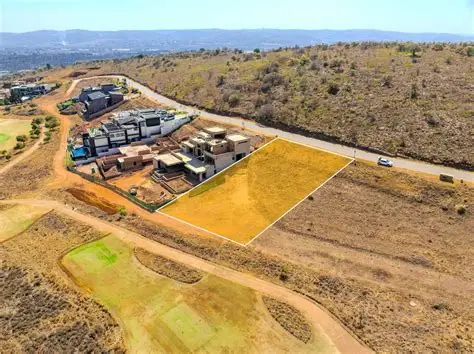
“South Africa’s land and real estate sector in August 2026 is buoyed by stable interest rates (repo rate at 7.0%, prime lending rate at 10.5%) and strong demand for affordable housing, with semigration fueling growth in the Western Cape and Garden Route. Industrial land transactions are expanding in Gauteng and KwaZulu-Natal, supported by international investment and developers racing to meet demand in peri-urban areas.”
Market Overview
South Africa’s land and industrial real estate market continues to demonstrate resilience in August 2026, despite inflationary pressures and cautious monetary policy. The South African Reserve Bank (SARB) has maintained the repo rate at 7.0% and the prime lending rate at 10.5%, providing predictability in borrowing costs. This stability has reassured both buyers and developers, enabling measured investment decisions across the land and industrial property sectors.
Regional Dynamics
- Western Cape: Semigration from Gauteng and KwaZulu-Natal continues to fuel demand. Cape Town remains the premium market, with average property prices at R3.35 million, far above the national average of R1.95 million.
- Garden Route (George, Knysna): Land values are appreciating at 6.5% annually, driven by lifestyle appeal and migration from inland provinces.
- Gauteng: Average growth is modest at 2.8%, but niche expansion is occurring in mixed-use developments and industrial land, particularly in Johannesburg’s peri-urban zones.
Affordable Housing and Land Demand
The affordable housing segment (below R1.2 million) remains the most active, with demand consistently outstripping supply. First-time buyers aged 25–34 are entering the market with confidence levels reaching 90%, signaling a generational shift in land and property ownership. Developers are racing to secure vacant plots in peri-urban areas, where competition is intensifying.
Industrial Real Estate Expansion
Industrial land is becoming a focal point of development:
- KwaZulu-Natal: Expansion of Cornubia Industrial Park highlights the growing demand for logistics and warehousing facilities.
- Gauteng: Rezoning projects in Johannesburg are unlocking new industrial corridors, with developers targeting mixed-use hubs combining residential, commercial, and industrial spaces.
- Mpumalanga and Limpopo: Smaller industrial parks are emerging to support regional manufacturing and agricultural processing.
International Investment
Foreign buyers from Europe and Asia are increasingly investing in South African land, particularly coastal properties. Favorable exchange rates and lifestyle appeal make South Africa an attractive destination for long-term investment. This influx of international capital is reshaping the coastal property landscape, with demand for luxury and lifestyle-driven land parcels rising.
Risks and Challenges
- Inflationary pressures remain a concern, with rising fuel costs impacting construction and logistics.
- Deposit requirements by banks have increased, tempering loan applications, though approvals remain strong.
- Infrastructure bottlenecks in peri-urban areas could slow industrial expansion unless municipalities accelerate service delivery.
Outlook
The outlook for South Africa’s land and industrial real estate market remains positive. Stable interest rates, strong demand for affordable housing, and international investment are expected to sustain growth through the remainder of 2026. Developers focusing on industrial parks, mixed-use developments, and affordable housing projects are best positioned to capitalize on these trends.



