




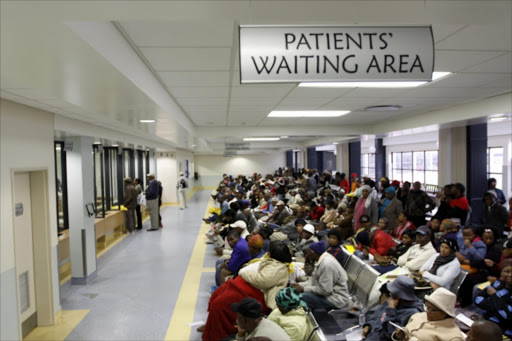
“South Africa’s National Health Insurance (NHI) Act, signed into law in May 2024, faces nine separate court challenges that have paused its formal rollout. Despite this, the government has allocated R9.3 billion in the 2026 budget to strengthen healthcare infrastructure and digital systems, signaling its determination to advance universal health coverage.”
South Africa’s healthcare system stands at a crossroads in 2026. The National Health Insurance (NHI), envisioned as a transformative policy to unify public and private healthcare under a single fund, is legally contested yet financially supported. This paradox—paused in court but funded in practice—illustrates the tension between political ambition, fiscal planning, and judicial oversight.
Background: The NHI Act
The NHI Act was signed into law in May 2024, promising universal health coverage by pooling resources into a central fund. The plan aimed to eliminate private medical schemes for most citizens and extend equitable healthcare access to the 85% reliant on public services. However, lawsuits quickly emerged, citing procedural flaws, inadequate public consultation, unrealistic financing models, and exclusion of migrants.
Current Legal Status
As of June 2026, the Constitutional Court has consolidated several cases, with hearings scheduled earlier this year. The rollout remains paused until rulings are finalized. Critics argue the NHI is fiscally unsustainable, while supporters insist it is essential to address systemic inequities.
Financial Commitment
Despite the pause, the 2026 national budget allocated R9.3 billion to NHI-related projects. Of this, R475 million is earmarked for provincial grants, while R7.8 billion supports indirect upgrades such as infrastructure refurbishment and digital health systems. This spending reflects government’s strategy to prepare the system for eventual implementation, regardless of legal delays.
Policy Implications
- Infrastructure Modernization: Investments target overcrowded clinics and outdated hospitals.
- Digital Transformation: Integrated patient records and administrative systems are being developed.
- Provincial Readiness: Grants support pilot reforms at local levels.
Public Reaction
The dual reality—paused rollout but active funding—has sparked debate. Supporters argue that strengthening infrastructure benefits citizens regardless of NHI’s fate. Critics, including trade unions like Solidarity, claim billions are being wasted on a legally uncertain framework.
Broader Health Agenda
The NHI debate coincides with other pressing health issues:
- Obesity guidelines and costly anti-obesity drugs remain inaccessible to most citizens.
- AI-driven TB screening shows promise amid rising drug resistance.
- HIV prevention injections are rolling out despite U.S. funding cuts.
Conclusion
South Africa’s healthcare policy in 2026 is defined by contradiction: a stalled NHI rollout in court, yet billions invested in its foundation. Whether the courts uphold or dismantle the Act, the financial groundwork ensures that reforms—digital, infrastructural, and systemic—are already reshaping the health sector. The outcome will determine if South Africa achieves universal health coverage or remains trapped in policy limbo.



