




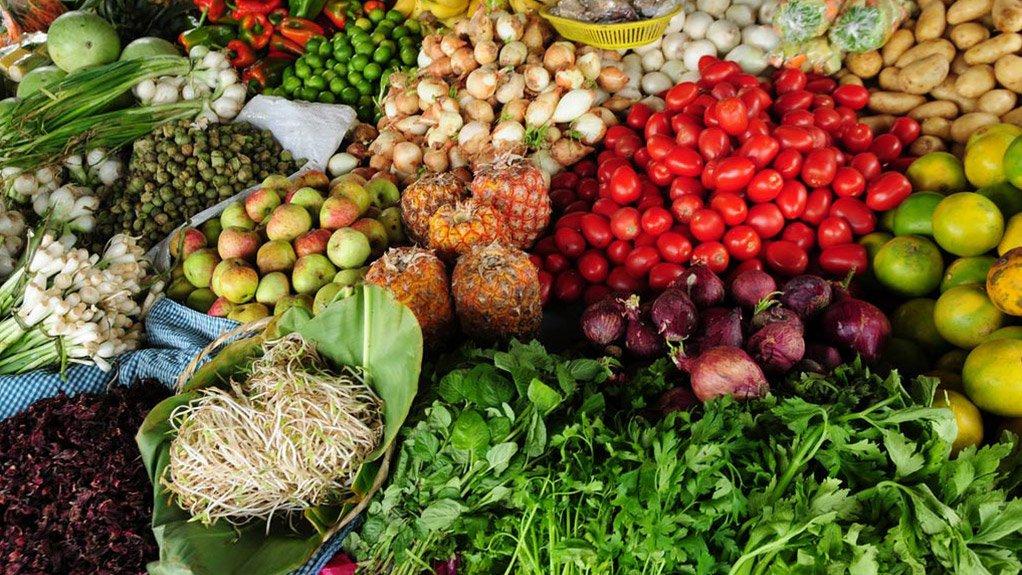
“South Africa faces a complex nutrition challenge in which many households struggle to afford diverse, nutrient-rich foods while diet-related conditions, including diabetes and obesity, remain major public health concerns. Recent calls for clearer food warning labels, stronger sugary-drink taxation and improved food security highlight the need for coordinated action by government, communities, food producers and healthcare professionals.”
South Africa’s Nutrition Crisis Requires More Than Individual Food Choices
South Africa’s nutrition debate has sharpened in October, as recent reporting highlights the overlap between food poverty, diet-related disease and the policies shaping what people eat. National Nutrition Week ran from 9 to 15 October, while World Food Day is observed on 16 October. Together, these moments put a central question in focus: how can nutritious food become accessible, affordable and practical for households facing economic pressure?
Recent coverage describes a country confronting several forms of malnutrition at once. Some children and adults do not consistently receive enough food or essential nutrients, while overweight, obesity and non-communicable diseases remain serious public health concerns. This combination is often described as the triple burden of malnutrition: undernutrition, micronutrient deficiencies, and overweight or obesity. It means that hunger cannot be measured only by whether someone has eaten. The nutritional quality of meals matters too.
Food affordability shapes everyday decisions
For many households, food shopping is a calculation between price, quantity, convenience and the need to make meals last. When budgets are tight, families may rely on inexpensive staples that provide energy but offer limited variety. A person can feel full while still not receiving enough protein, fibre, vitamins and minerals. Iron, zinc, calcium, vitamin A and folate are among the nutrients important for growth, immunity and general health.
This is not simply a matter of consumers failing to make good choices. The options available to a family depend on income, transport, local shops, time for cooking, access to clean water and safe storage, as well as food prices. Fresh produce may be available in one neighbourhood and costly or difficult to reach in another. Caregivers working long hours may have little time to prepare meals from scratch. Nutrition advice that ignores these constraints risks placing responsibility on people without giving them the resources to act.
The consequences can be particularly significant during pregnancy and early childhood. The first 1,000 days, from pregnancy through a child’s second birthday, are an important period for physical growth and brain development. Persistent nutritional deficiencies can affect development and wellbeing. Families need reliable access to varied foods, appropriate health services and practical advice, rather than messages that assume every household has the same resources.
At the other end of the nutrition challenge, diets dominated by products high in added sugar, sodium, saturated fat or refined carbohydrates can contribute to poor health when they routinely displace more nutritious foods. Overall dietary patterns, activity, genetics, living conditions and access to preventive care all influence health.
Chronic disease raises the stakes
Recent reporting on South Africa’s nutrition crisis cites official mortality figures showing diabetes accounted for 6.1% of registered deaths in 2024, compared with 5.8% in 2023. It also reports an International Diabetes Federation estimate that 2.32 million South African adults aged 20 to 79 were living with diabetes in 2024. These figures underline why nutrition is not only a personal wellness issue; it is also a concern for health services, families and the economy.
Diabetes, high blood pressure, cardiovascular disease and obesity can require long-term treatment and monitoring. Preventive measures can reduce risk, but they work best alongside accessible primary healthcare, screening, counselling and support for people already living with chronic conditions. Public messaging should avoid stigma. People affected by obesity or diabetes are not defined by their weight or diagnosis, and simplistic blame can discourage them from seeking care.
Food environments and commercial influence
Another major debate concerns the environment in which food choices are made. On 15 October, Daily Maverick reported that nutrition experts were calling for ultra-processed food companies to be excluded from future South African Nutrition Congresses. The concern was that sponsorship or exhibition by companies selling such products could create actual or perceived conflicts of interest, or give audiences the impression that professional nutrition bodies endorse the products.
The report said Danone Southern Africa, Unilever South Africa and PepsiCo participated as exhibitors at the 2026 congress. Organisers, the Nutrition Society of South Africa and the Association for Dietetics in South Africa, said exhibitors had been assessed under their criteria and that safeguards were in place. They acknowledged that commercial sponsorship can create actual, potential or perceived conflicts, but did not agree that participation compromised the congress’s independence.
The disagreement points to a broader governance question: how should professional bodies protect scientific independence while financing conferences and engaging with the food sector? Transparent disclosure of funding, clear eligibility rules, independent review and publicly explained conflict-of-interest policies can help audiences judge evidence and preserve trust. Debate should focus on verifiable standards rather than assuming that every commercial participant or every scientific claim is automatically harmful.
Labelling and sugary-drink taxation
A separate policy debate is focused on front-of-pack warning labels and the Health Promotion Levy on sugary drinks. IOL reported on 15 October that the Healthy Living Alliance was urging government to finalise proposed food-labelling regulations and strengthen the levy. The proposed labels would help consumers identify packaged products high in sugar, sodium or saturated fat, while the draft rules also address certain nutrition claims and marketing to children. These proposals remain subject to government processes; they should not be described as already fully implemented.
Supporters argue that prominent warnings can make information easier to understand at a glance and encourage manufacturers to reformulate products. A levy on sugary drinks is intended to discourage excessive consumption and can also generate public revenue. The scale of any health benefit depends on the final policy design, the products covered, the response of manufacturers and consumers, and how government uses the revenue. Taxes and labels are not complete solutions, but they can complement education, healthcare and wider food-security measures.
Policy makers should publish clear timelines, explain decisions and make evidence available to the public. Consultation with businesses and other stakeholders is important, but it should not prevent timely action where a policy is justified by public-health evidence. Regulations should be understandable, enforceable and evaluated after implementation so that intended benefits and unintended effects can be identified.
Food security and local solutions
World Food Day on 16 October provides a further opportunity to connect nutrition with agriculture and livelihoods. The South African Government News Agency reported that the national commemoration in the North West would highlight agricultural innovation, resilient food systems and initiatives intended to strengthen food security. The Western Cape Government has also described projects supporting household and community food production, skills and sustainable livelihoods.
Local food production can help communities build knowledge and resilience, particularly when projects provide seeds, tools, training, water access and a realistic route to maintain gardens over time. School and community gardens can support learning and improve access to some fresh produce, although they cannot replace comprehensive social protection or a dependable food supply. Agricultural programmes need to consider climate pressures, land access, storage, transport and markets so that food reaches consumers and farmers can earn sustainable incomes.
Public institutions can also influence food environments. Early childhood development centres, schools, hospitals and workplaces can promote balanced meals and safe food handling. Procurement standards can support nutritious options, while water access makes drinking water a practical alternative to sugary beverages. Municipal planning and transport affect whether residents can reach markets and shops selling affordable produce.
What households can do—and what support they need
Practical advice should be realistic rather than expensive or prescriptive. Where available and affordable, households can add vegetables or fruit to meals, include beans or lentils as protein sources, choose whole grains when suitable, drink water regularly and compare products for sugar and sodium. Planning meals, cooking larger portions for later use and reducing food waste may stretch a budget. Frozen or canned produce can also be useful, especially when fresh options are costly; products with less added salt or sugar may be preferable.
However, individual tips cannot overcome inadequate income or food shortages. Social assistance, school nutrition programmes, accessible community services and well-designed food policies are essential parts of the response. Health workers should be equipped to offer culturally appropriate guidance that reflects people’s budgets, food traditions and medical needs. People with diabetes or other conditions should seek personalised advice from a qualified healthcare professional rather than follow extreme diets or stop prescribed treatment.
Measuring progress matters
South Africa needs reliable, current data on what people eat, nutrient intake, food insecurity and health outcomes. The Department of Health has said an updated National Dietary Intake Survey is expected to provide evidence on dietary patterns and nutritional status across socioeconomic groups. Such data can help identify which communities face the greatest barriers and whether interventions are working.
Success should be measured not only by the number of campaigns delivered or products labelled, but by whether nutritious foods become more affordable, child nutrition improves, diet-related disease risks fall and inequalities narrow. Evaluation should be transparent and independent where possible. Researchers, communities, government, farmers, retailers and healthcare professionals all have roles, but people affected by food insecurity must be included in decisions.
The way forward
South Africa’s nutrition challenge cannot be solved through slogans telling people to eat better. It requires an environment where healthy food is accessible, safe, affordable and culturally appropriate; clear information on packaged products; prevention and treatment services; and food systems that support households as well as producers. National Nutrition Week and World Food Day offer useful moments to renew attention, but lasting progress depends on sustained funding, transparent policy and measurable results.
The immediate lesson from the latest reporting is that nutrition is shaped by both personal circumstances and public decisions. Families can benefit from practical guidance, yet they should not carry the burden alone. Government must implement evidence-based measures fairly, professional organisations must safeguard trust, and industry should be transparent about its role. Making nutritious food the easier choice is a public-health goal—and a test of whether the food system serves everyone.



