




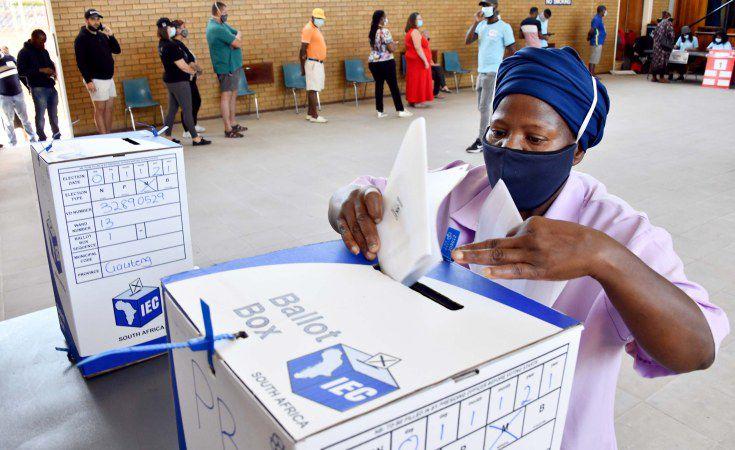
“South Africa’s upcoming local government elections feature 546 political parties, almost 137,000 candidates and approximately 29.2 million registered voters, while declining turnout and low youth participation raise questions about political representation. The report also highlights concerns about public confidence in the IEC and the importance of helping voters understand their candidates and make informed choices.”
South Africa’s approaching 2026 local government elections are bringing renewed attention to public opinion, voter participation and confidence in democratic institutions. A report published by Eyewitness News on 15 October 2026 highlights the scale of the coming elections while raising questions about declining turnout, youth disengagement and trust in the Electoral Commission of South Africa (IEC). According to the report, 546 political parties and almost 137,000 candidates are contesting just over 10,500 council seats, with approximately 29.2 million registered voters nationwide. These figures illustrate the size of the democratic exercise, but they also reveal a central challenge: ensuring that citizens feel their participation matters.
Public Opinion and the State of Democracy
Public opinion provides an important measure of how citizens perceive political leadership, government performance and democratic institutions. In South Africa, these perceptions are particularly significant because municipalities are responsible for services that directly affect everyday life, including water, sanitation, electricity, roads, waste collection and local development.
When residents experience persistent service delivery problems, their confidence in political representatives may weaken. Conversely, visible improvements, responsive leadership and transparent administration can strengthen public confidence. These relationships are not automatic, however, and individual attitudes differ according to personal circumstances, community experiences and political expectations.
The latest EWN report identifies declining electoral participation as a concern ahead of the November elections. It notes that turnout in the 2021 local government elections fell to approximately 45% of registered voters. Such figures raise questions about how effectively political institutions engage the population and whether citizens believe elections can produce meaningful change.
Low turnout does not necessarily mean that every person who abstains rejects democracy. Some people face practical obstacles, including transport difficulties, work commitments or limited access to information. Others may feel politically disconnected or dissatisfied with the available candidates. Understanding these different explanations is essential before drawing conclusions about the national mood.
Election Numbers Reveal a Complex Political Landscape
The scale of the 2026 election presents South African voters with an extensive choice of political representatives. EWN reports that the number of participating parties has increased substantially compared with the previous local government elections. Almost 137,000 candidates are competing for just over 10,500 council seats, creating a crowded political environment.
This diversity can give communities more opportunities to find representatives whose priorities reflect local needs. Smaller parties and independent-minded candidates may also raise issues that established political organizations have overlooked.
Nevertheless, a large number of candidates can make informed decision-making more difficult. Voters must distinguish between competing promises, assess candidates’ records and understand how municipal councils function. Campaign messages may emphasise national political disagreements even when the most immediate concerns involve local administration.
Political education therefore becomes particularly important. Citizens need accessible information about ward candidates, municipal responsibilities, party manifestos and the practical consequences of different policy proposals. Media organisations, civic groups and electoral authorities can help voters compare claims against verifiable evidence.
Youth Participation and Political Representation
Young South Africans remain central to discussions about political engagement. EWN reports concerns that younger people are not participating in elections at levels that reflect their presence in society. Political analyst Melanie Verwoerd also highlighted findings suggesting that some young people do not feel represented by existing political parties.
This disconnect matters because young adults face significant economic and social challenges, including unemployment, difficulties entering the labour market, housing pressures and uncertainty about future opportunities. Municipal decisions concerning transport, infrastructure, public spaces and local economic development can influence their daily lives.
Political parties frequently use social media to reach younger audiences. However, digital visibility alone does not guarantee trust or participation. Young citizens may encounter campaign messages without seeing evidence that political organisations understand their priorities or will respond after election day.
Building stronger engagement requires sustained communication rather than occasional election-season appeals. Parties and candidates can hold accessible community meetings, explain proposed interventions and publish measurable commitments. Young people should also have meaningful opportunities to participate in consultations and local decision-making.
Importantly, younger voters are not a single political group. Their views differ according to location, employment status, education, personal experience and policy priorities. Reliable research should recognise these differences rather than treating youth opinion as uniform.
Confidence in the Electoral Commission
Public confidence in the IEC is another major theme in the latest reporting. EWN cites a survey discussed by Verwoerd indicating that approximately 60% of respondents expressed trust in the commission, while around 40% either lacked trust or had concerns. The report also highlights a higher level of reported distrust in KwaZulu-Natal.
These figures should be interpreted carefully because the detailed survey methodology, fieldwork dates and question wording are necessary to understand precisely what respondents were asked and how representative the findings are. Nevertheless, concerns about electoral confidence deserve attention.
An electoral commission must administer elections fairly, communicate procedures clearly and respond transparently to complaints. Public understanding of these responsibilities can influence how citizens interpret administrative decisions, disputed results and allegations made by political actors.
The IEC has continued preparations for the November polls. A South African government update published on 14 October 2026 reported that 2,655,067 special-vote applications had been approved. This demonstrates the substantial logistical demands involved in organising the election, although administrative preparations alone cannot establish how much confidence citizens have in the institution.
Maintaining confidence requires more than operational readiness. Clear explanations, accessible voter information, consistent procedures and timely responses to legitimate concerns can help citizens understand how the electoral process works.
Political Parties Face Questions About Accountability
The election presents political organisations with an opportunity to explain how they intend to address residents’ concerns. However, campaign promises must be assessed against candidates’ previous performance, available resources and the responsibilities of municipal government.
Voters may consider whether local representatives have communicated effectively, attended community meetings, responded to complaints and explained decisions. They can also examine whether proposed projects have realistic funding arrangements and measurable objectives.
Accountability should apply across the political spectrum. Established parties, newer organisations and independent candidates should all be prepared to explain their priorities and demonstrate how they intend to serve their communities.
Public opinion can change when citizens receive credible information about government performance. However, a single poll cannot establish the future outcome of an election. Surveys measure responses from particular populations during specific periods, and their findings depend on sampling, question wording, weighting and assumptions about turnout.
Women and Local Government Priorities
The composition of the registered electorate also matters when assessing political representation. According to EWN’s report, women account for slightly more than 55% of registered voters, making their participation an important feature of the coming elections.
Women’s experiences of municipal services can include concerns about public transport, street lighting, sanitation, water access, safety and economic opportunities. These issues affect communities differently, and local conditions should guide discussions about priorities.
Political parties should explain how their proposals address residents’ needs and how progress would be measured. Voters, meanwhile, can compare candidates’ commitments with their records and assess whether proposed interventions are practical.
Representation involves more than demographic numbers. Meaningful participation requires that residents can express concerns, obtain responses and see how public feedback influences decisions.
The Role of Media and Reliable Information
News organisations play an important role in helping citizens understand public opinion. Reporting should distinguish between verified facts, survey findings, political statements and commentary. It should also provide enough methodological information for readers to assess whether polling results support the conclusions being drawn.
This is especially important during competitive election campaigns, when individual figures can be presented selectively. A poll is a snapshot of opinion, not a guarantee of future voting behaviour. Changes in turnout, local circumstances and campaign developments may affect the eventual result.
Citizens can strengthen their understanding by consulting original survey reports, comparing coverage across credible outlets and checking whether claims accurately reflect the evidence. Political parties’ statements should likewise be examined as attributed claims rather than independent proof of public sentiment.
Conclusion
South Africa’s 2026 local government elections will test more than the organisational capacity of political parties and electoral authorities. They will also provide an opportunity to examine whether citizens feel represented, informed and able to influence decisions affecting their communities.
The figures reported by EWN on 15 October highlight the challenge: millions of registered voters, hundreds of participating parties and thousands of candidates, alongside concerns about turnout, youth engagement and electoral confidence.
Addressing these issues requires credible information, responsive leadership, transparent electoral administration and sustained public participation. Ultimately, public opinion cannot be understood through one statistic or headline. It emerges from diverse experiences, expectations and judgments that must be examined carefully.
As election day approaches, informed participation and evidence-based discussion will remain essential to understanding South Africa’s democratic choices and the responsibilities of those seeking public office.



